Serving Glenn Heights homes built mostly around 2000, 7 miles from our Duncanville shop. We know the newer torsion hardware this area's houses actually have.
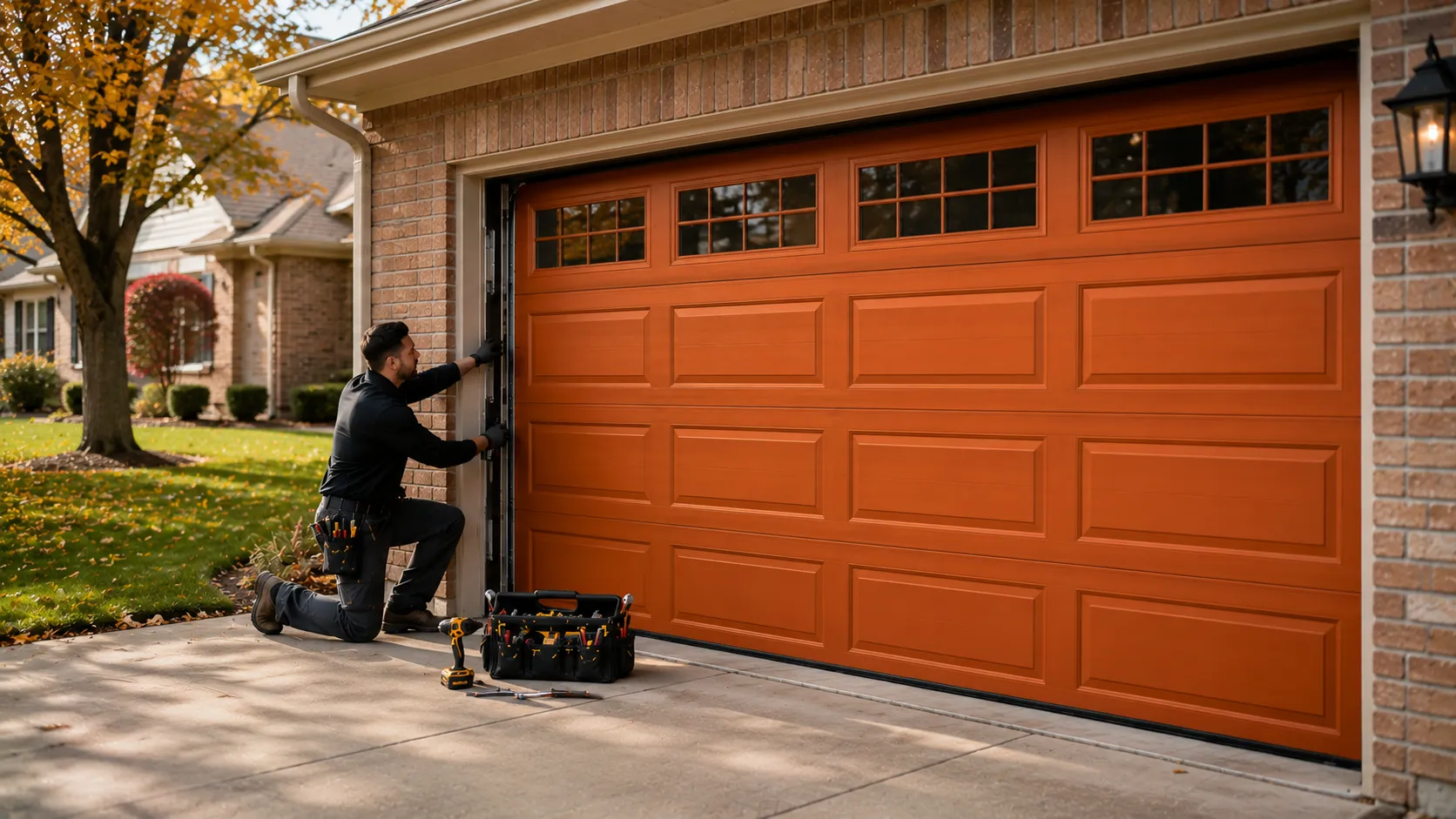
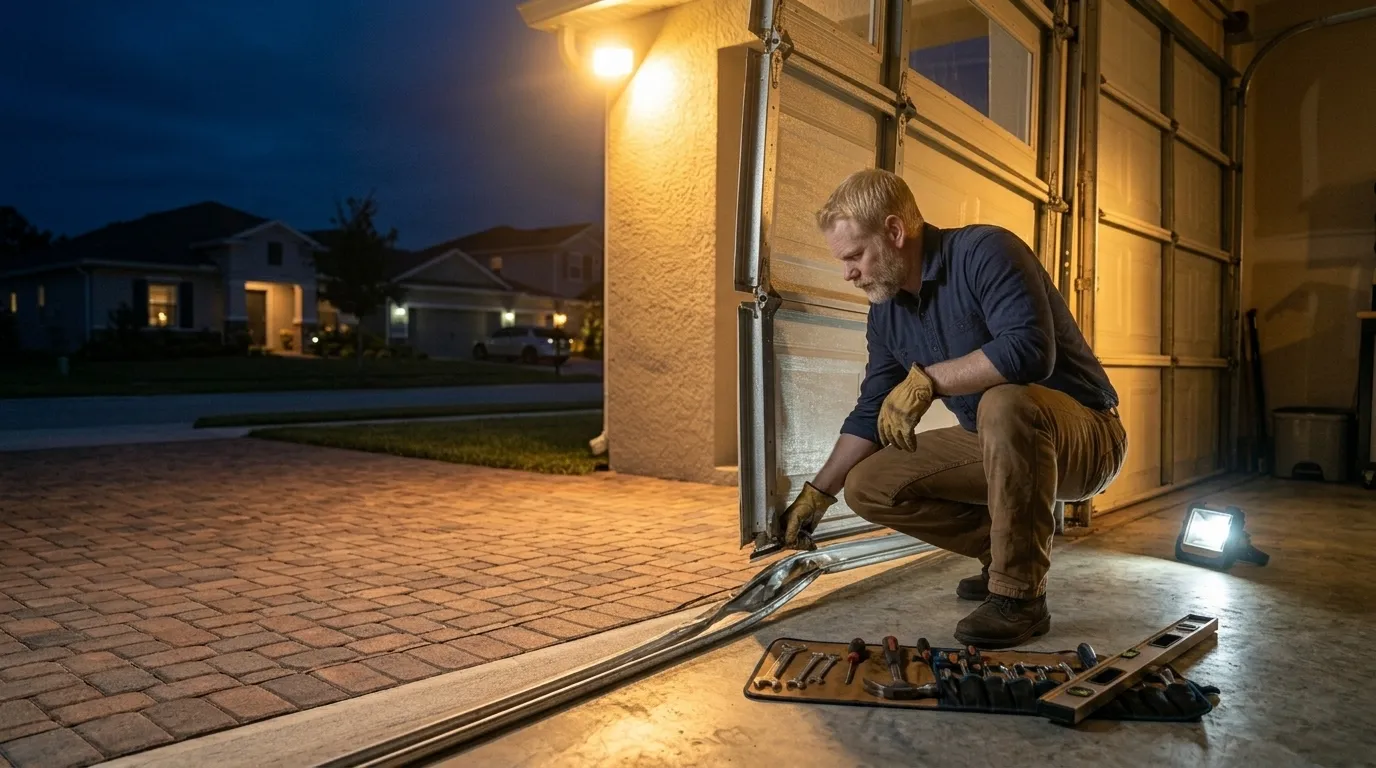
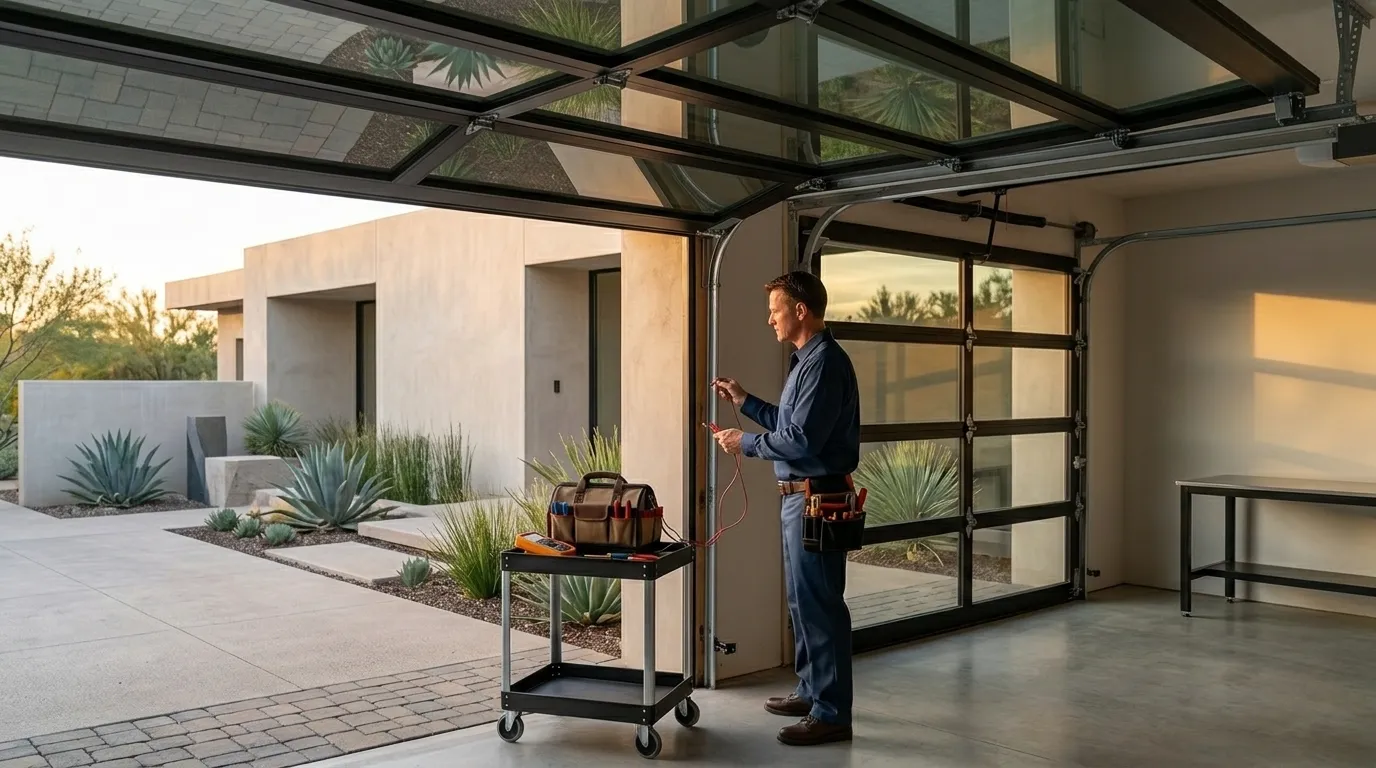
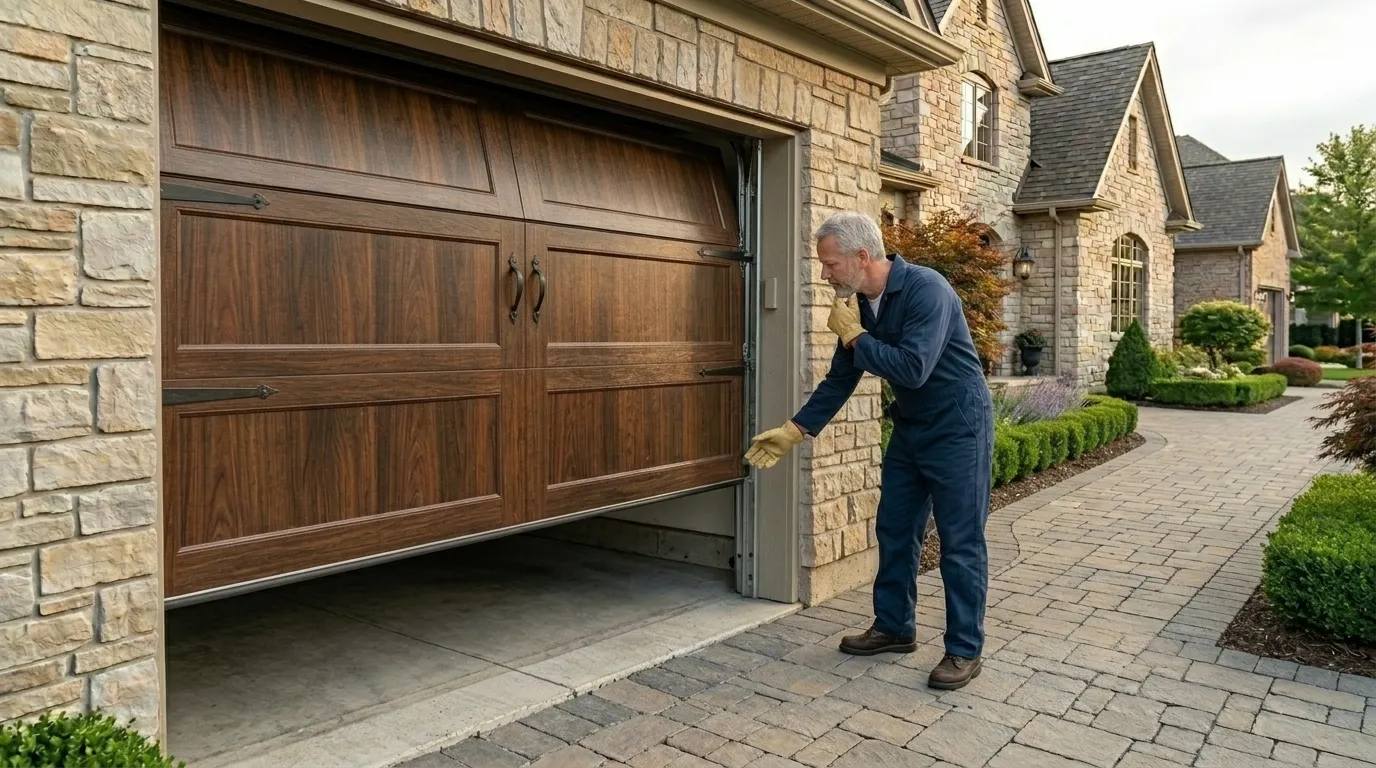
Glenn Heights calls look different from the rest of our service area. The area's housing stock centers on a median build year of 2000, later than the broader area we cover, where the typical house went up in 1993. That gap matters. Houses built around 2000 came with steel sectional doors on torsion springs as standard, not the older extension-spring setups or one-piece doors you find in the 1970s and 80s pockets elsewhere in our territory. So the calls we get from Glenn Heights lean toward worn torsion springs reaching the end of a normal cycle count, opener logic boards from that era failing, and factory rollers finally wearing out after two decades of use. We don't see many of the odd retrofit jobs - mismatched track, spliced-in hardware from a repair thirty years back - that show up in older neighborhoods nearby. It's a more uniform housing stock, and it makes diagnosing a call before we even leave Duncanville a lot more straightforward.
What Was Built Here
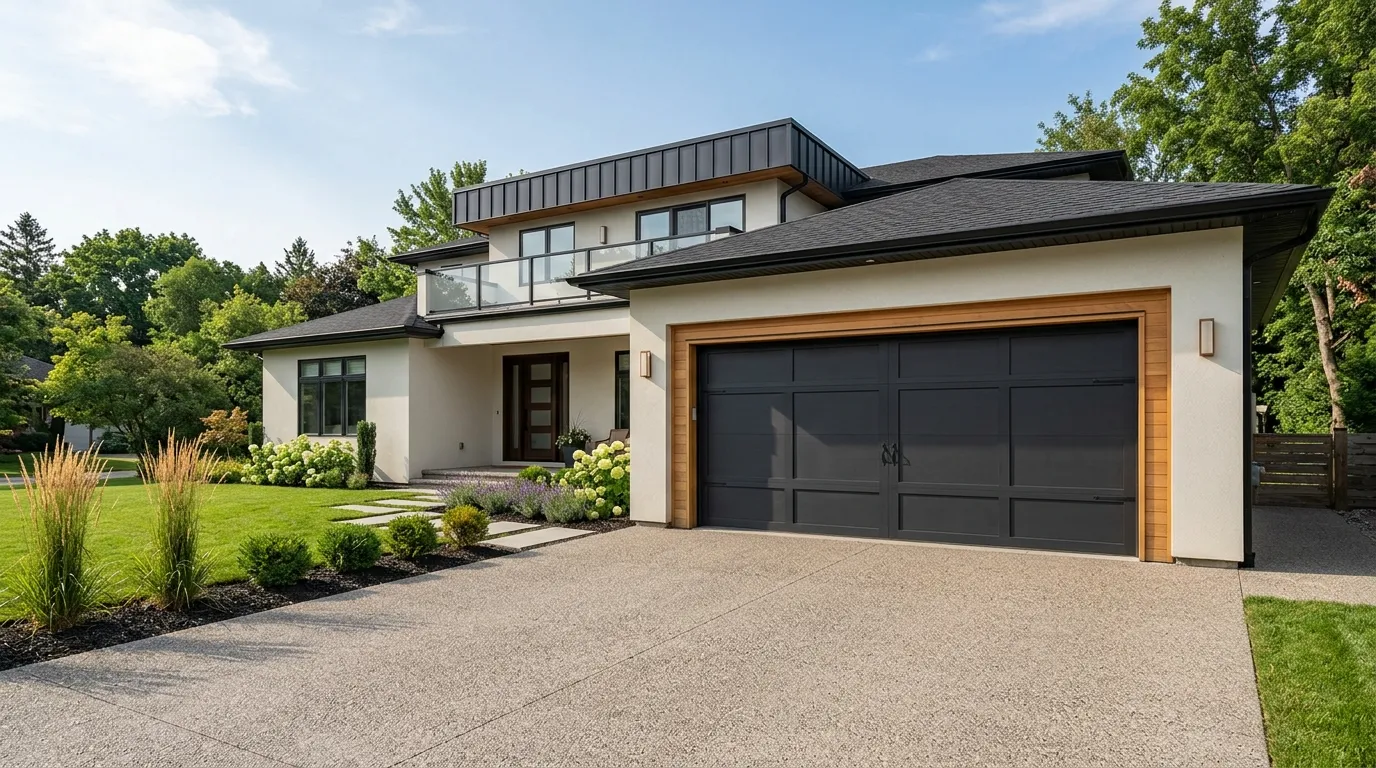
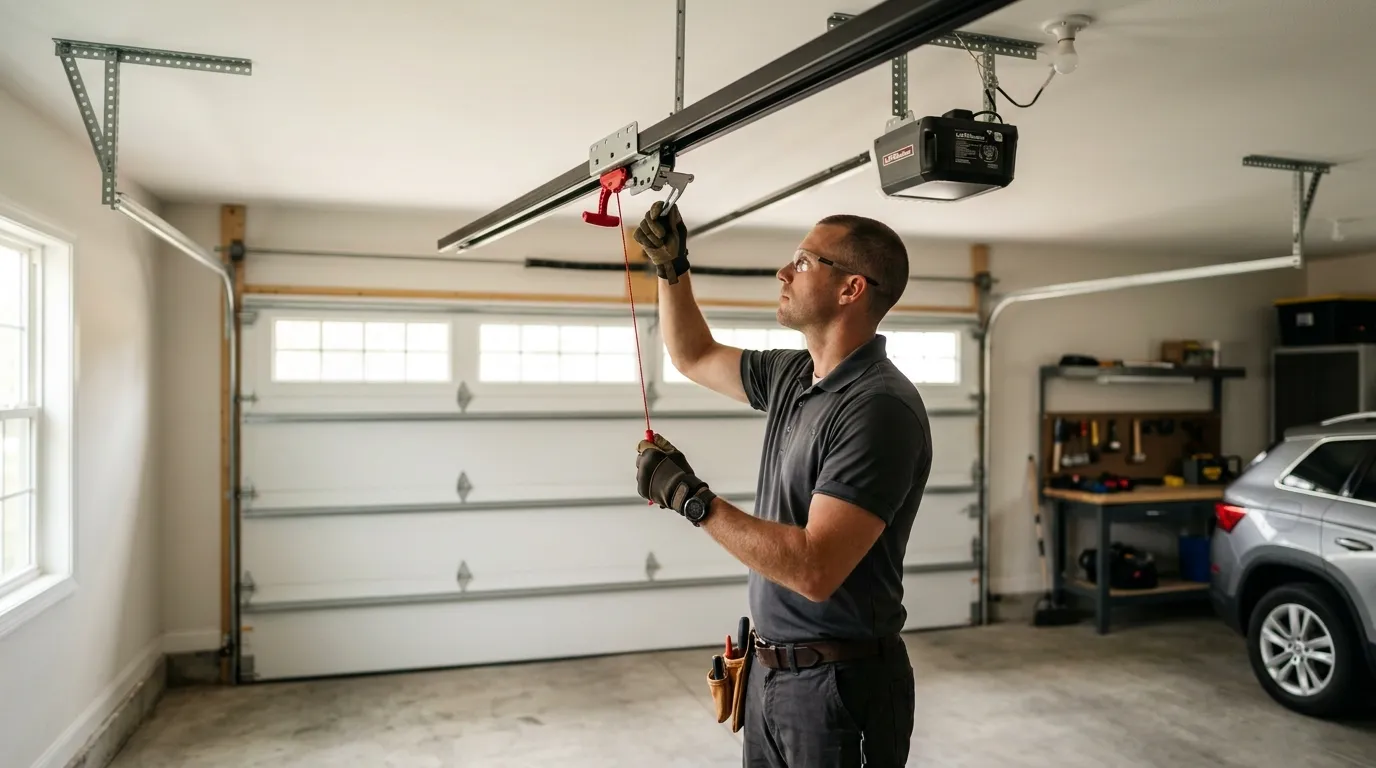
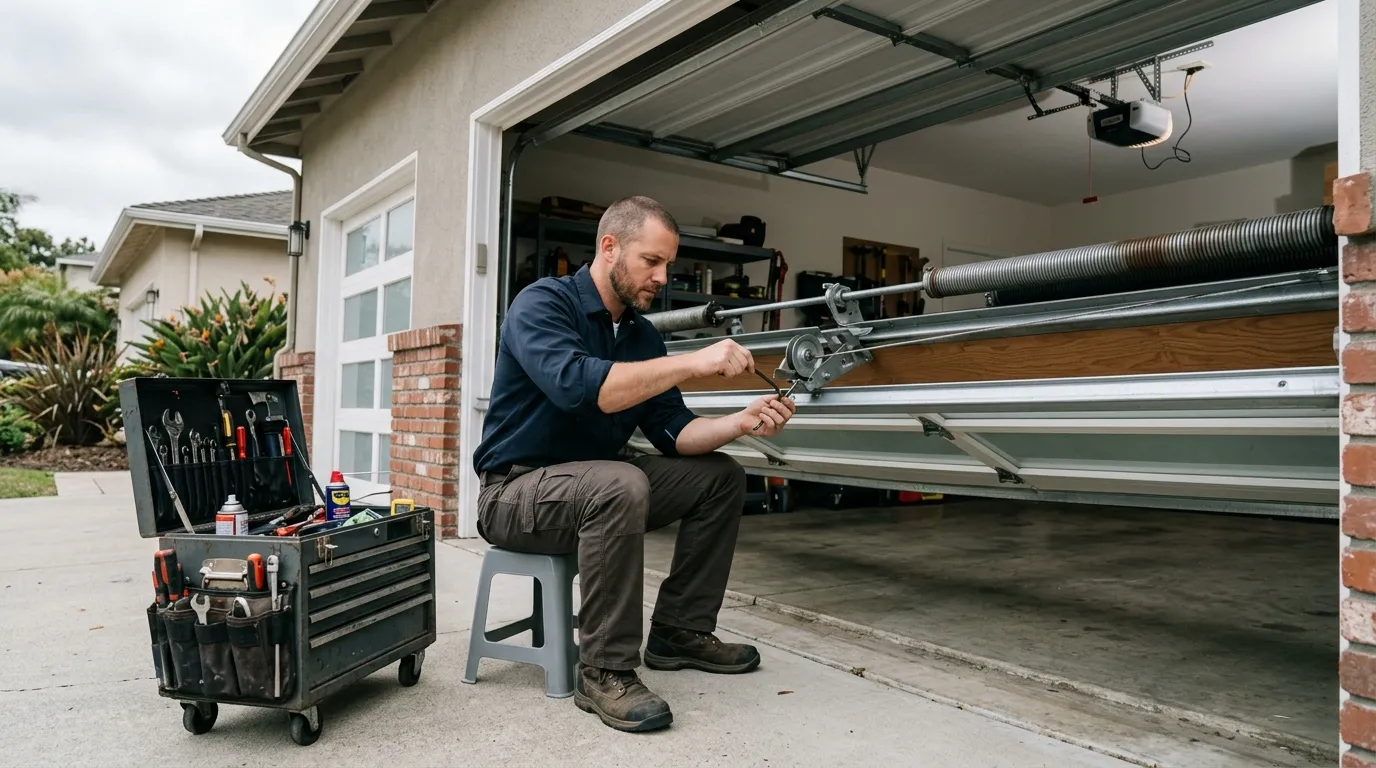
With roughly 5,734 households in Glenn Heights, the housing here reads as a single, fairly tight building wave rather than the scattered decades-long mix common across the rest of the area. A median build year of 2000 puts most garages in the range where builders had already standardized on steel doors, torsion spring systems mounted on a center shaft, and chain or belt-drive openers with early digital circuit boards. That's different from the pre-1990s stock that makes up a lot of the wider service area, where you still find wood panel doors and older spring configurations that most supply houses don't stock anymore. It also means the failures cluster: openers from the early 2000s hitting the end of their electronics' service life around the same years, and torsion springs - rated for a set number of open-close cycles - reaching that limit in the same rough window across many houses on the same block.
How We Get to You
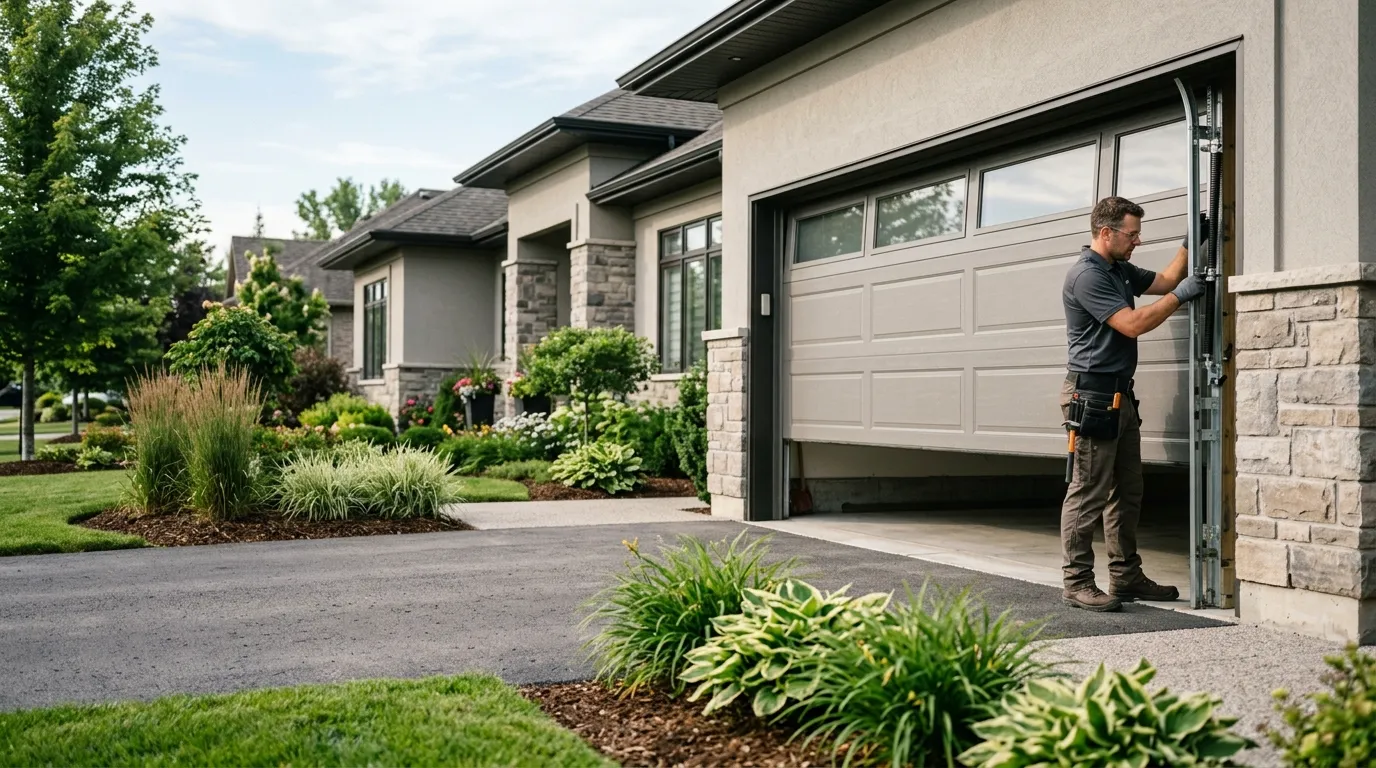
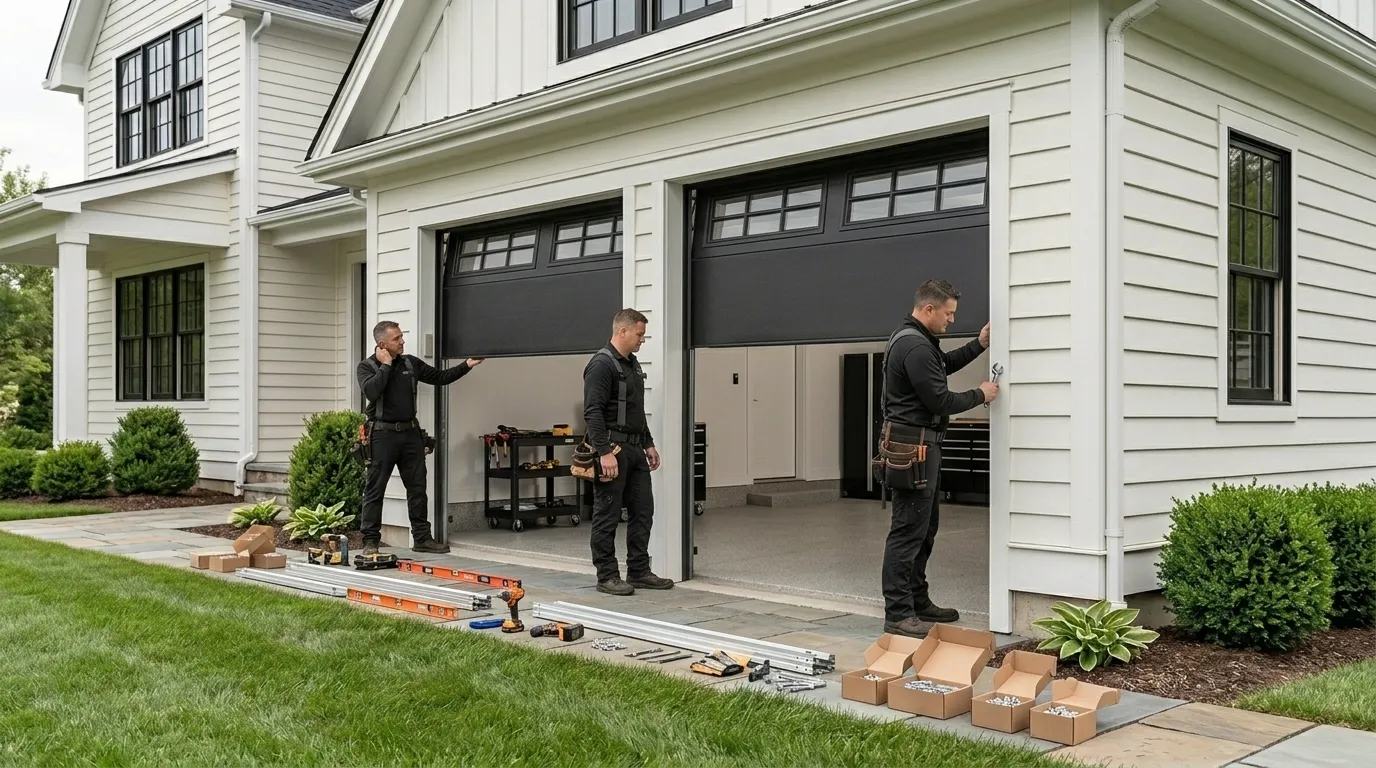
Glenn Heights sits about 7 miles from our shop in Duncanville. We don't keep a depot or drop location out here - every job means a truck coming from Duncanville, loaded with the springs, cables, and opener parts that match what this area's housing actually needs. That's a short haul as these things go, but we're upfront that it's a drive, not a walk-in counter. If a part isn't standard stock for the truck, there can be a wait while we source it, especially for older opener models when a board has to be special-ordered.
What the Housing Means for Your Door
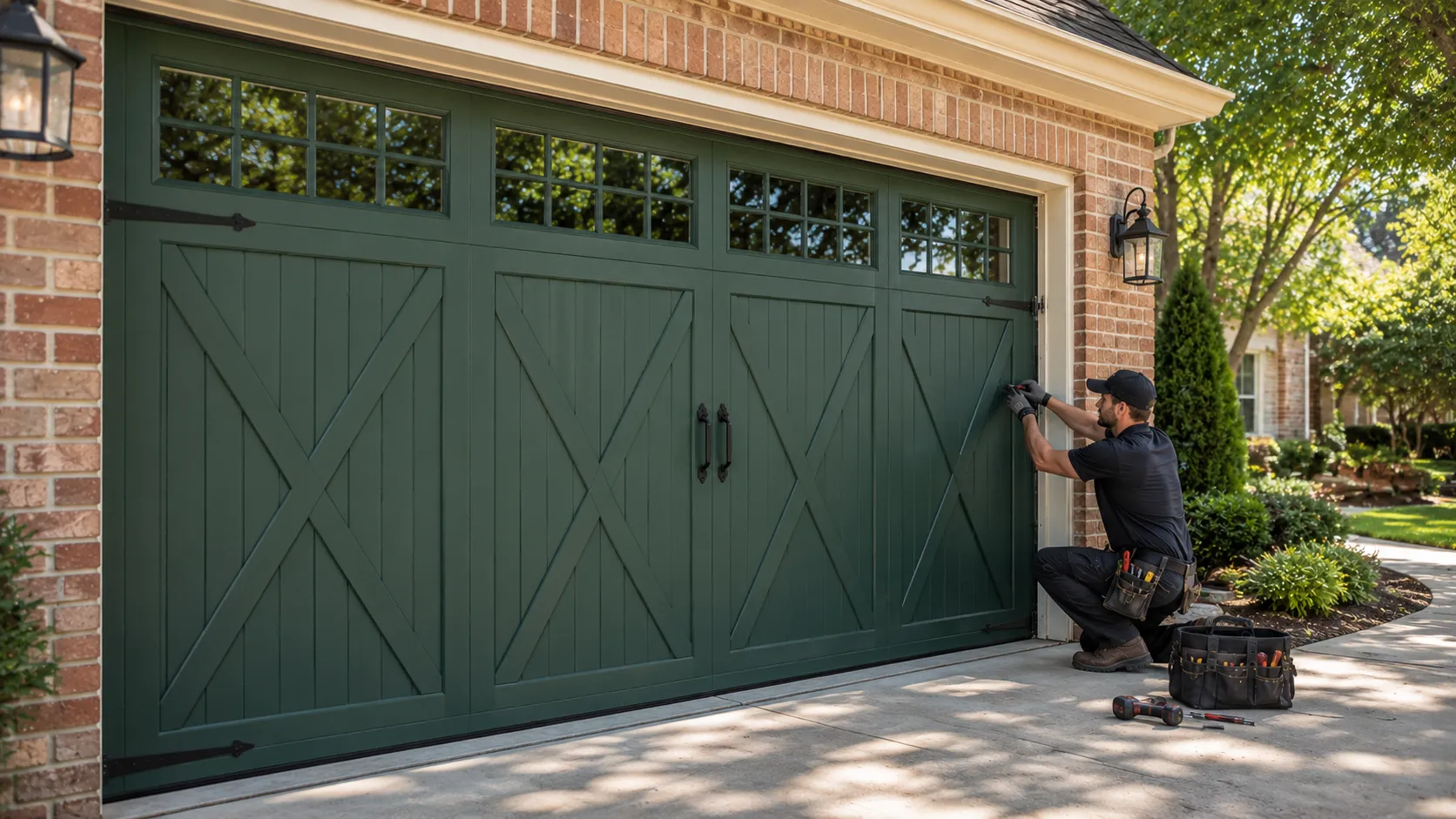
At a household median income of $79,739, Glenn Heights homeowners are often weighing repair against replacement on doors and openers that are 20-plus years old rather than 40. That's a different conversation than in older parts of our coverage area. A torsion spring on a door from 2000 is usually a straightforward swap - the hardware is common, the parts are stocked, and there's no need to touch the door itself. Where it gets more involved is the opener: a chain-drive unit from the early 2000s with a failing board is often past the point where a $30 part fixes it, and replacing the whole opener ends up being the honest answer rather than nursing along a fifteen-year-old motor. We'll tell you when that's the case instead of billing hours to chase a problem that a new opener solves outright.
How it works
From “it’s stuck” to “it’s fixed”
A quick, honest process - no guesswork and no surprises.
1
Tell us what’s wrong
Describe the symptom - won’t open, loud bang, opener runs but the door won’t move.
2
On-site diagnosis
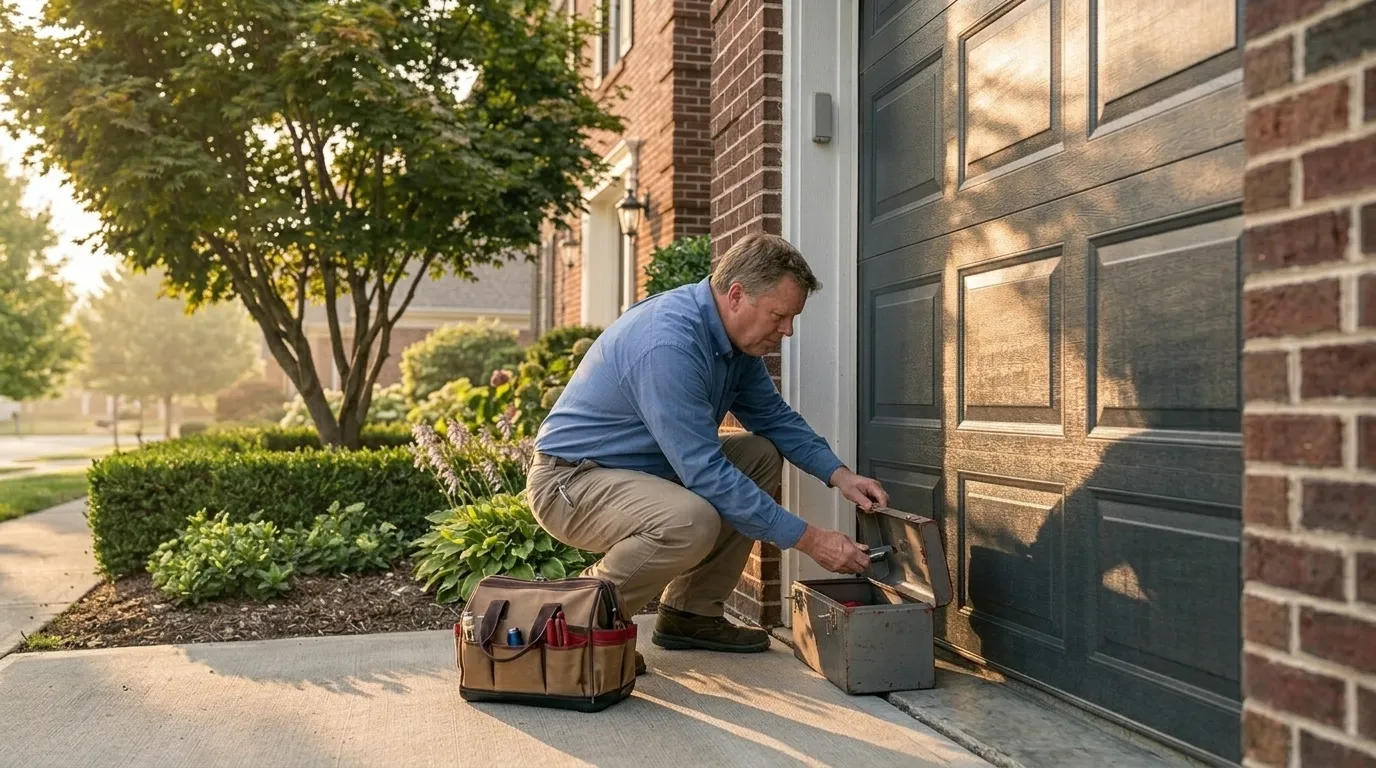
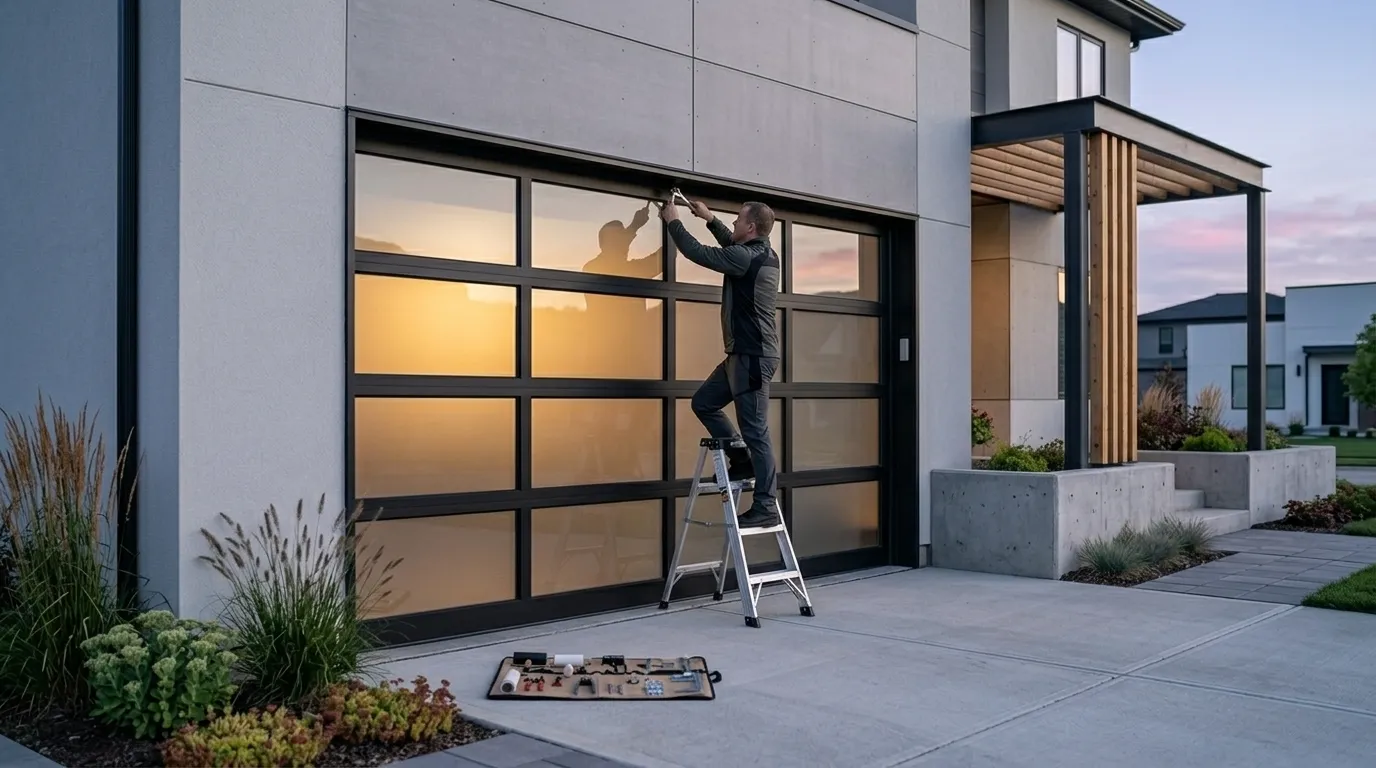
A technician tests the door under power and by hand and finds what actually failed.
3
Clear, up-front plan
You get the fix that’s needed and what drives the cost - before any work starts.
4
Repaired & tested
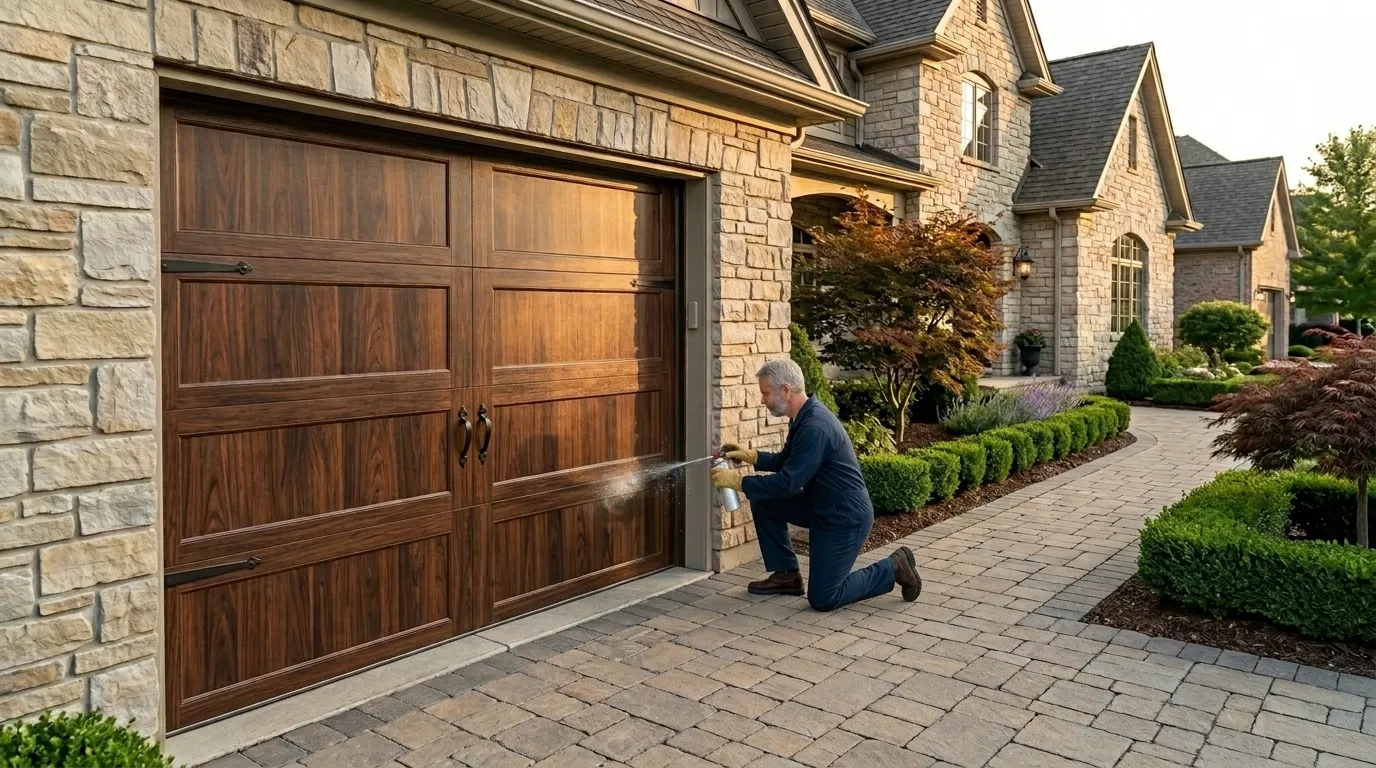
The repair is done, the door is set true and tested, and the work area left clean.
Serving Duncanville, TX - tell us what your door’s doing and we’ll take it from there.
No. We run out of Duncanville, about 7 miles away, and send a truck out for every Glenn Heights call. There's no local depot, just a short drive with the parts that fit this area's newer housing stock.
Why does my opener from 2001 keep failing?
Most Glenn Heights garages were built around 2000, and openers from that era are now over 20 years old. Circuit boards and logic gears wear out on a similar timeline across the whole neighborhood, which is why we get several of these calls in the same few months.
Is my spring setup different from an older house?
Likely yes. Houses built around 2000, which is most of Glenn Heights, came standard with steel doors on center-mounted torsion springs. Older homes elsewhere in our coverage area often still run older extension-spring hardware, which needs different parts.
Should I repair or replace an opener from this era?
Depends on what's failing. A dead capacitor or sensor is a repair. A dead main board on a 20-year-old unit usually isn't worth chasing - replacement openers are cost-competitive with board replacement parts at that age, and we'll say so rather than run up a bill.
Ready to get your garage door sorted?
Tell us what it’s doing and where you are in Duncanville - we’ll take it from there.