The Problem
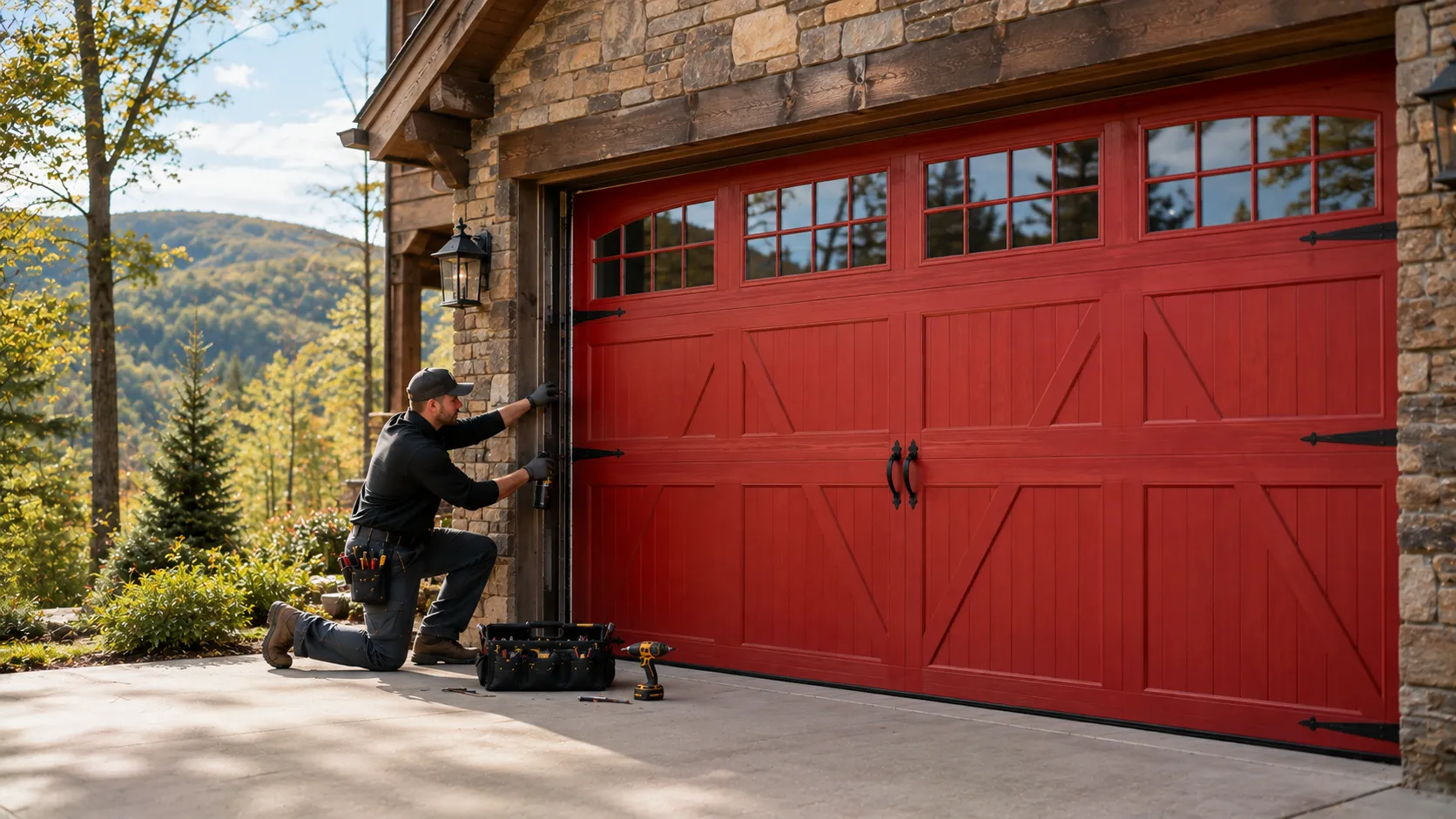
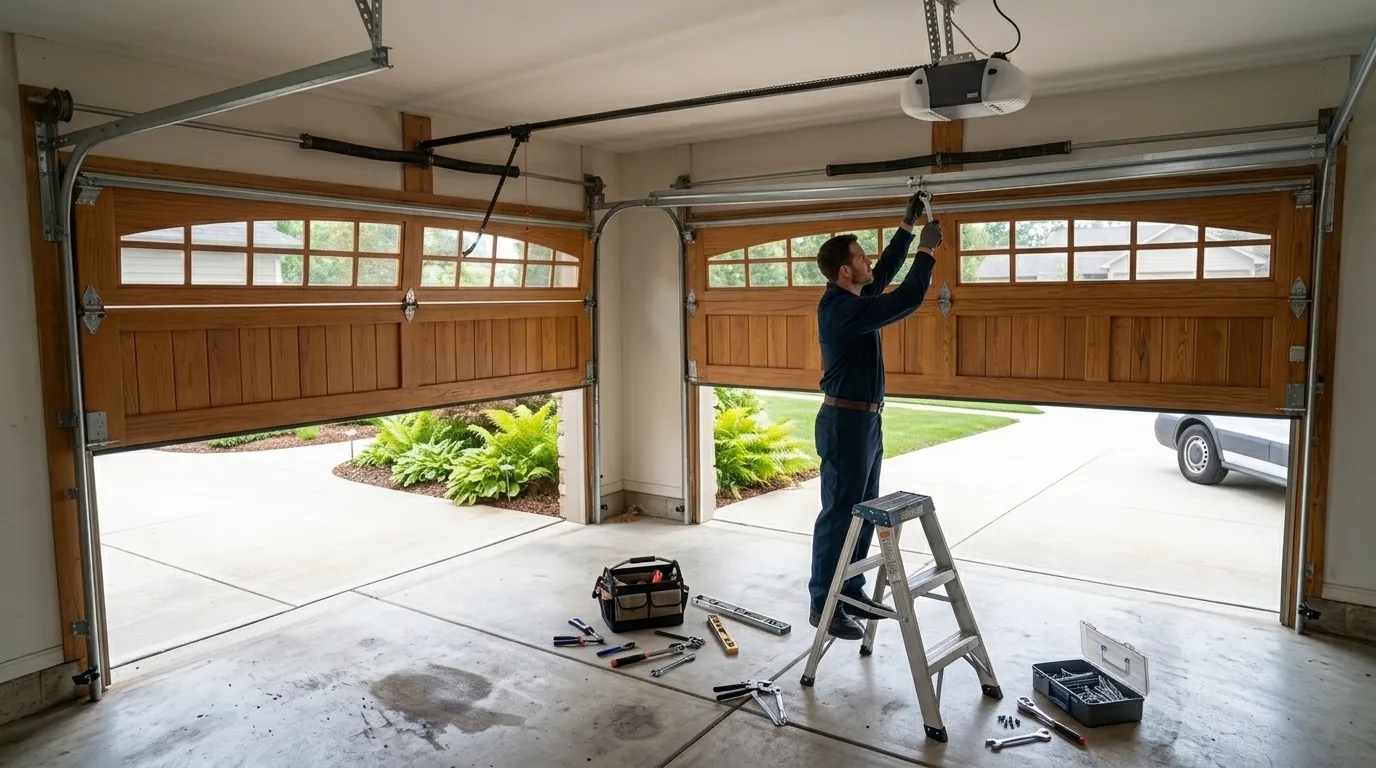
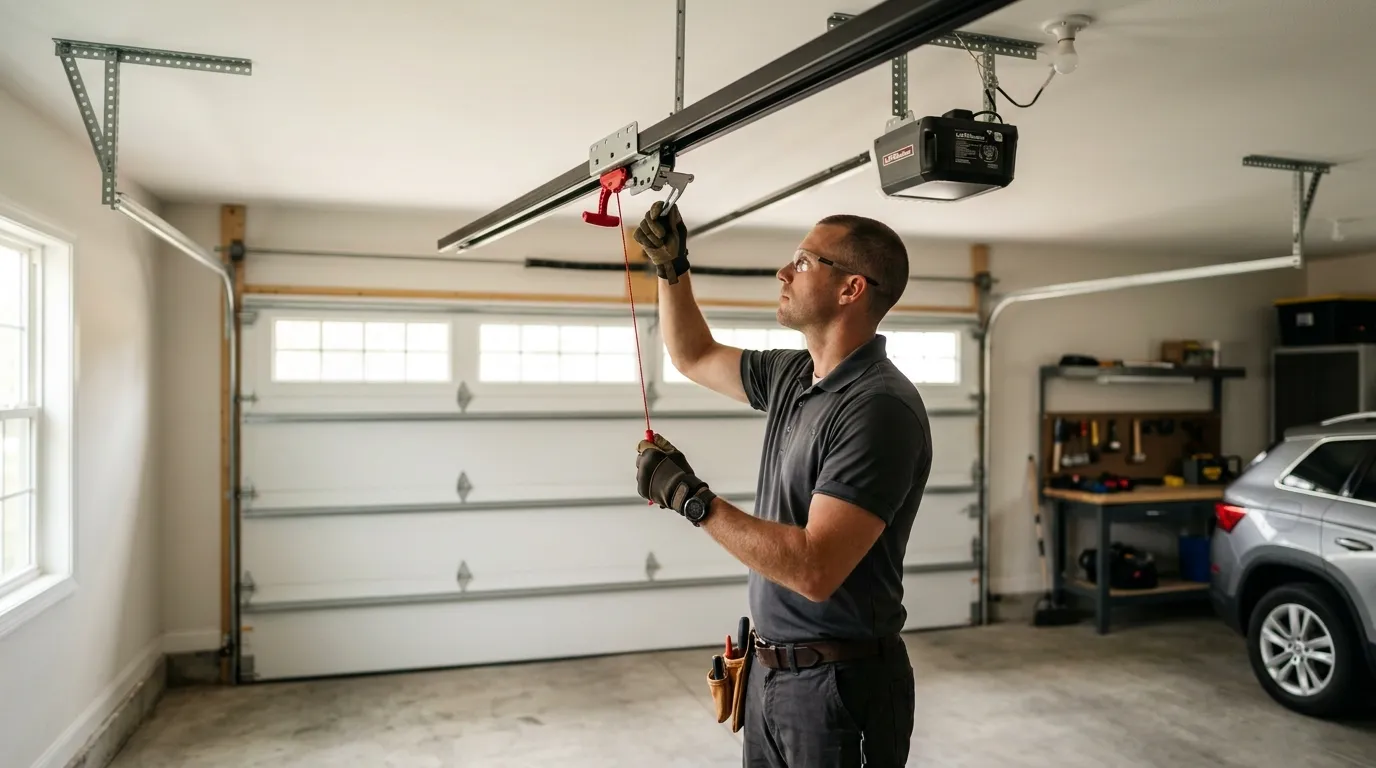
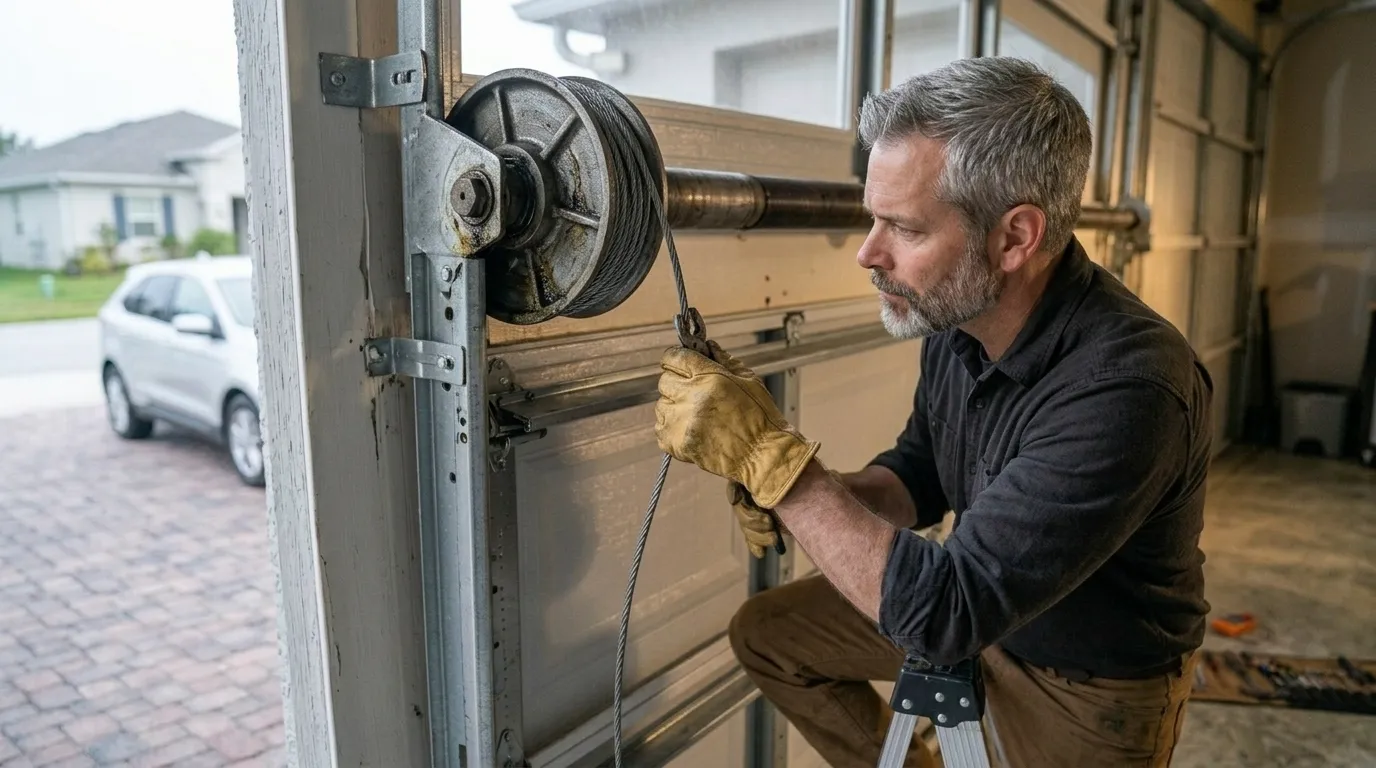
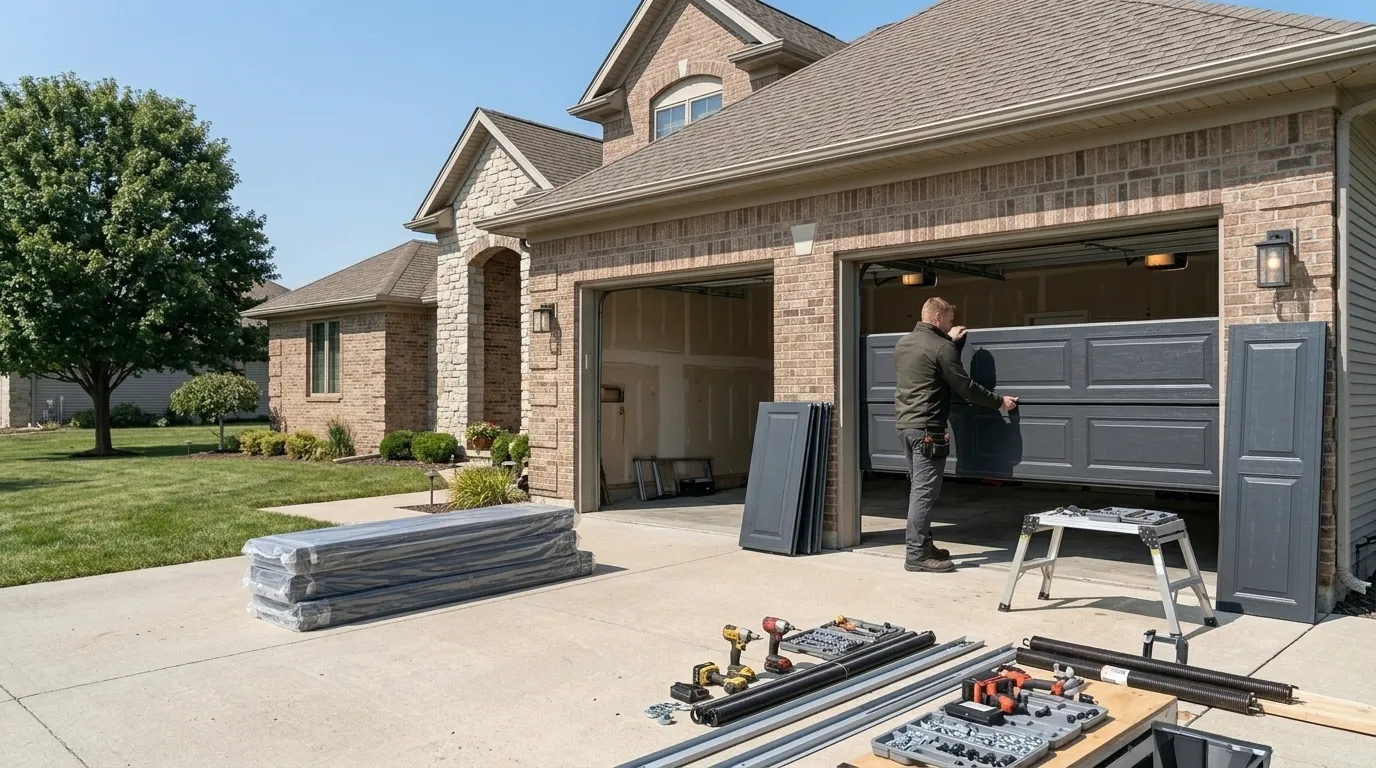
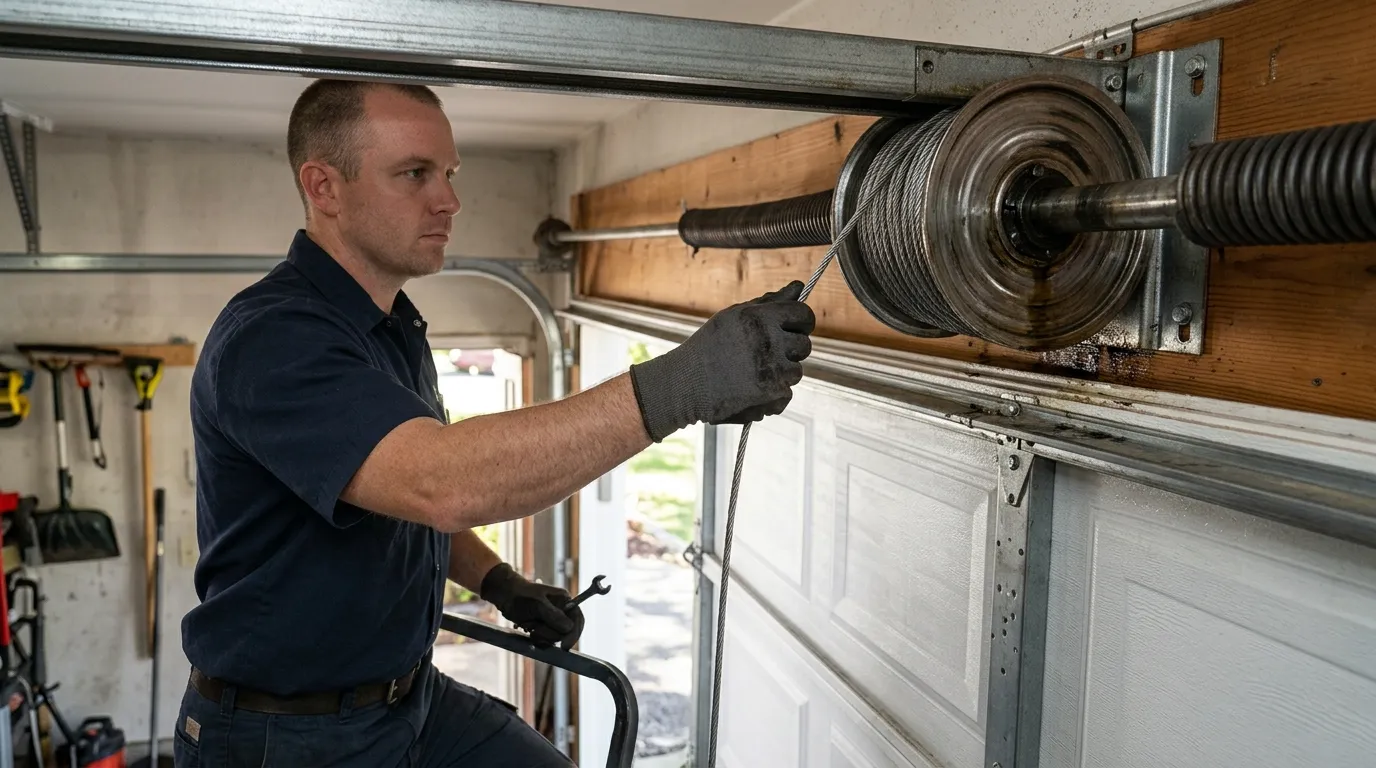
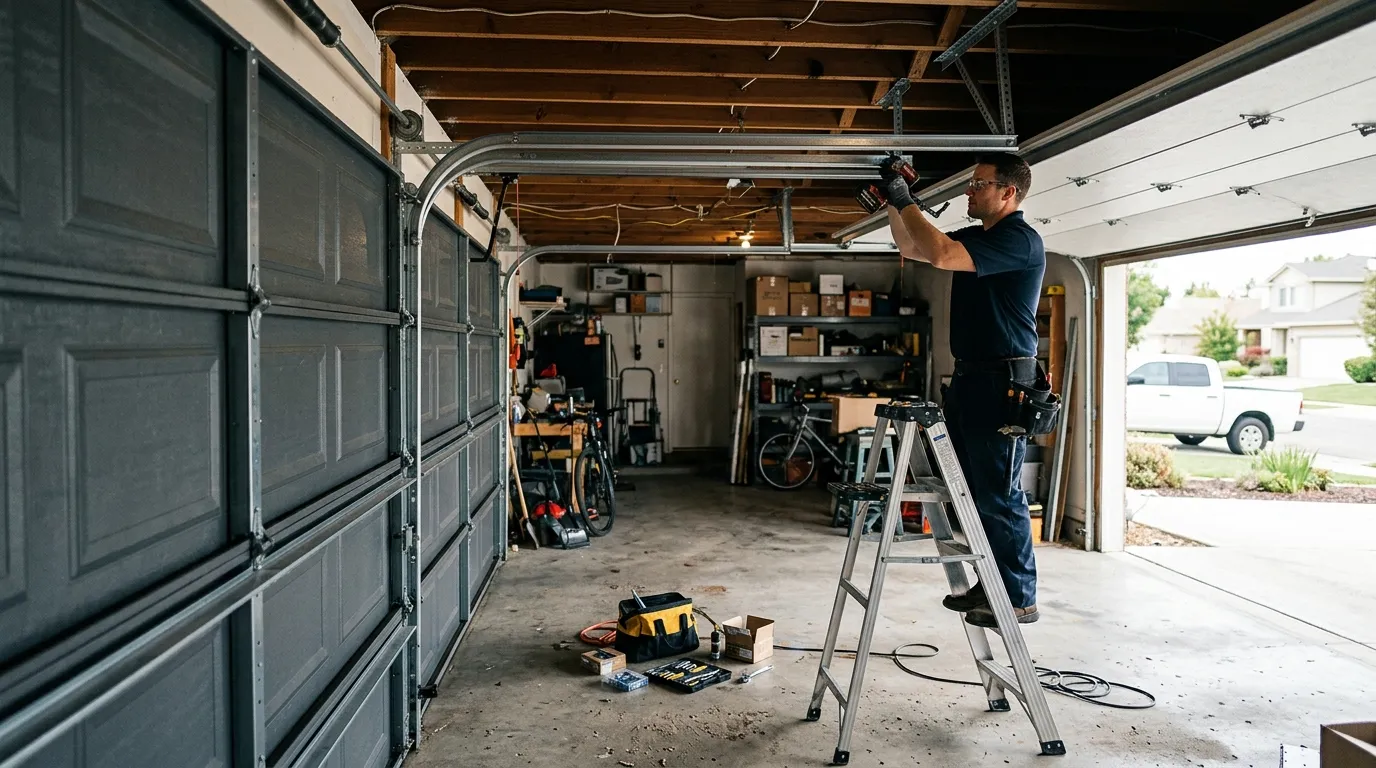
With roughly 44,615 owner-occupied houses across this area and most of them built in that 1973-2014 window, a lot of garage doors here are original or close to it - meaning original torsion springs, original rollers, and in the older end of that range, doors on houses built before insulation rules tightened up the code. Those early panels are single-layer steel or thin composite, no foam core, which means they flex more, dent easier, and let heat straight through. Owners often call us thinking the opener has failed when the real issue is a spring that's been carrying the same load since the house was built and has simply worn out. On the newer end of that build range, from the 2000s into 2014, doors tend to have insulated panels and heavier springs to match, so failures there usually show up as a strained opener motor rather than a snapped spring. Knowing which decade your section of Duncanville was built in tells us more about what's likely wrong than the symptom you're describing on the phone.
What Local Conditions Do
Duncanville sits in a moderate-heat climate band, which doesn't mean brutal but it does mean sustained warm stretches that put real strain on metal and rubber year after year. Steel torsion springs lose tension faster under repeated heat cycling than they would somewhere cooler, and the wind on an older spring - one sized for a house built decades ago - degrades a little more each summer until it lets go, usually without warning. Nylon rollers and weatherstripping harden and crack under the same conditions, especially on doors without the foam core that came standard in later insulated models. None of this is dramatic weather damage; it's slow wear that adds up over the kind of stretch a 1973-2014 house has already been standing through. If your door has started sagging on one side or the opener strains harder than it used to on hot afternoons, that's usually heat-driven wear on aging hardware, not a defect.