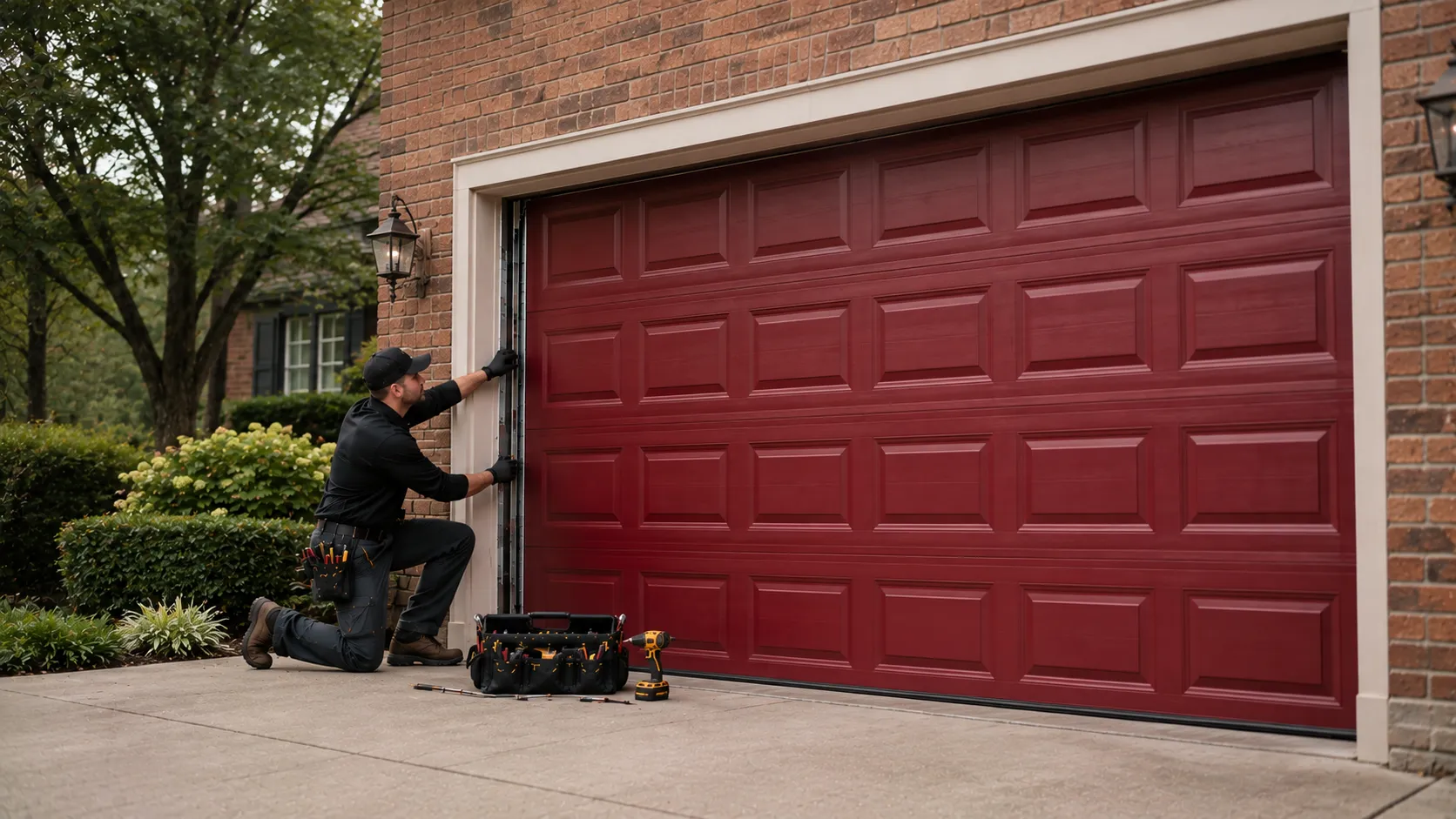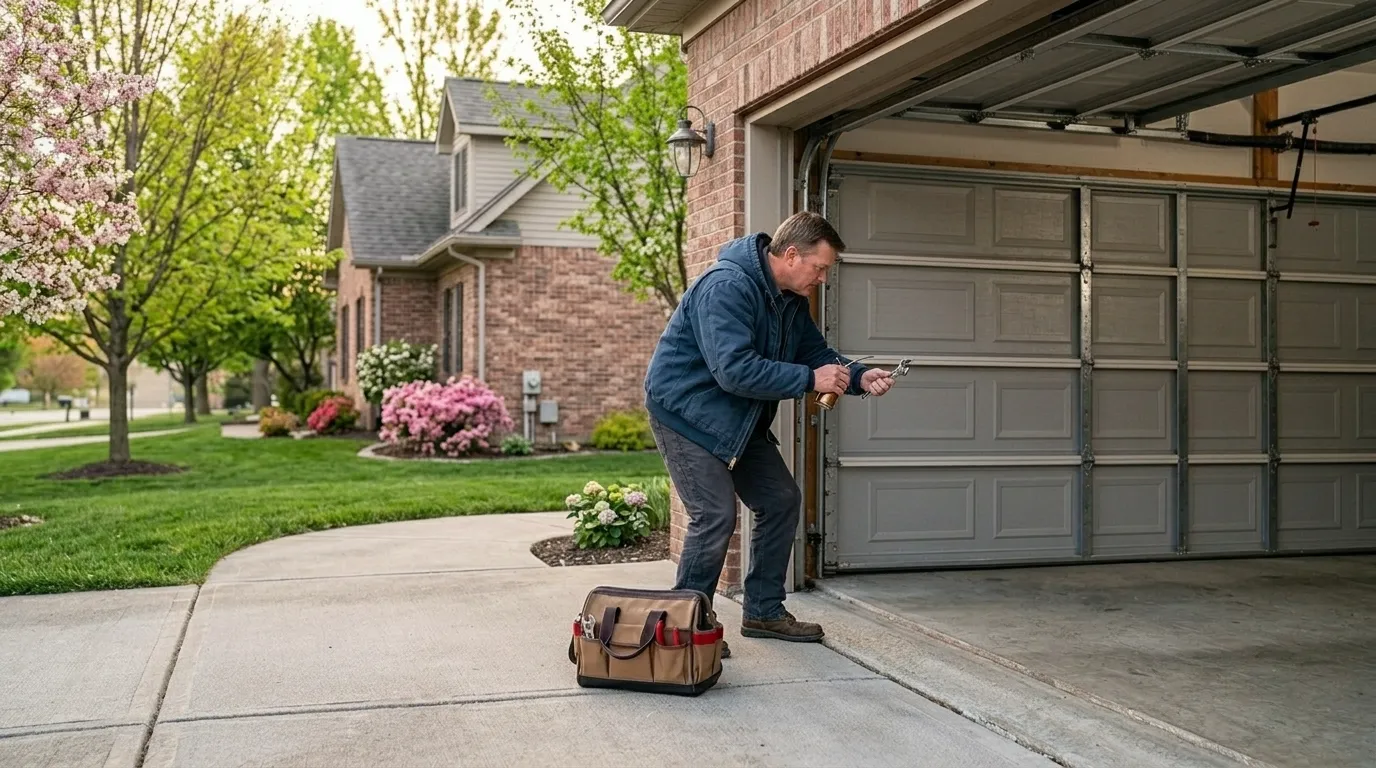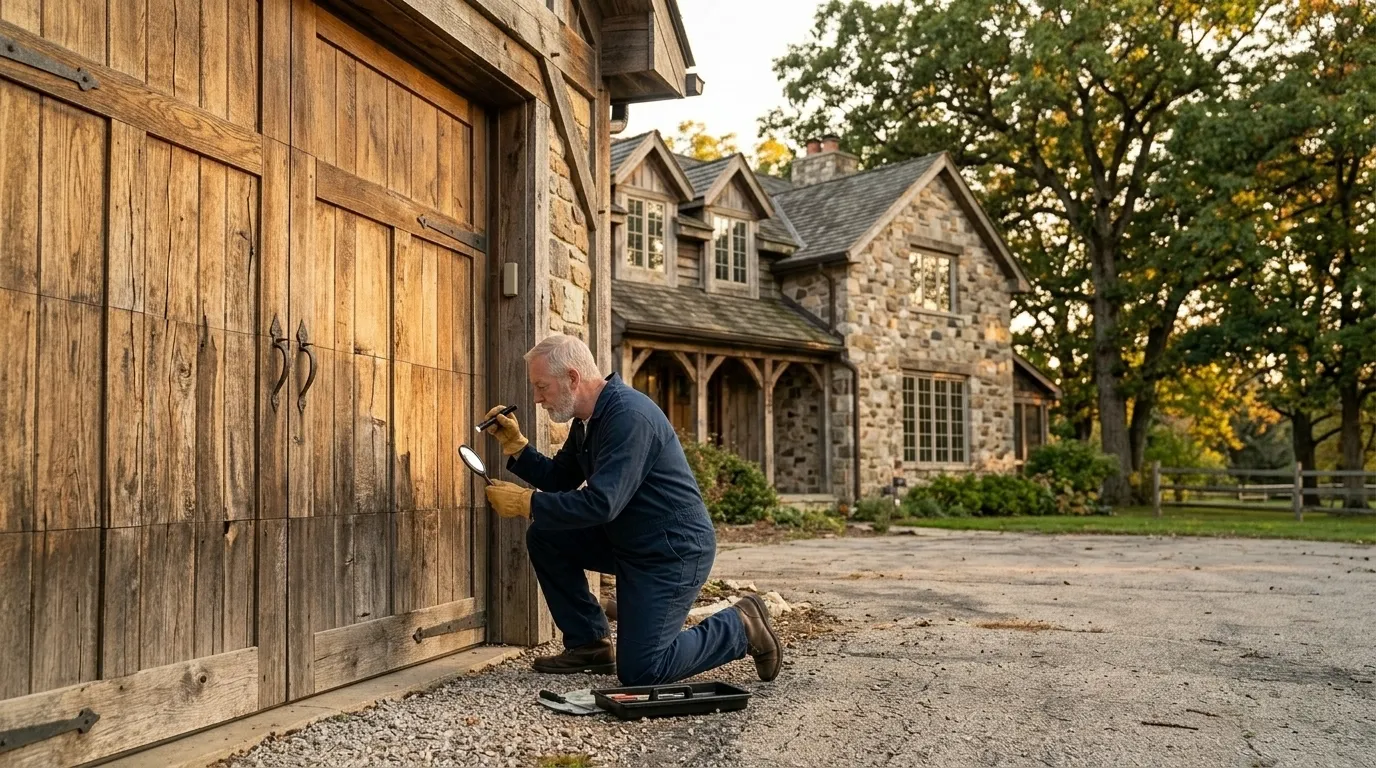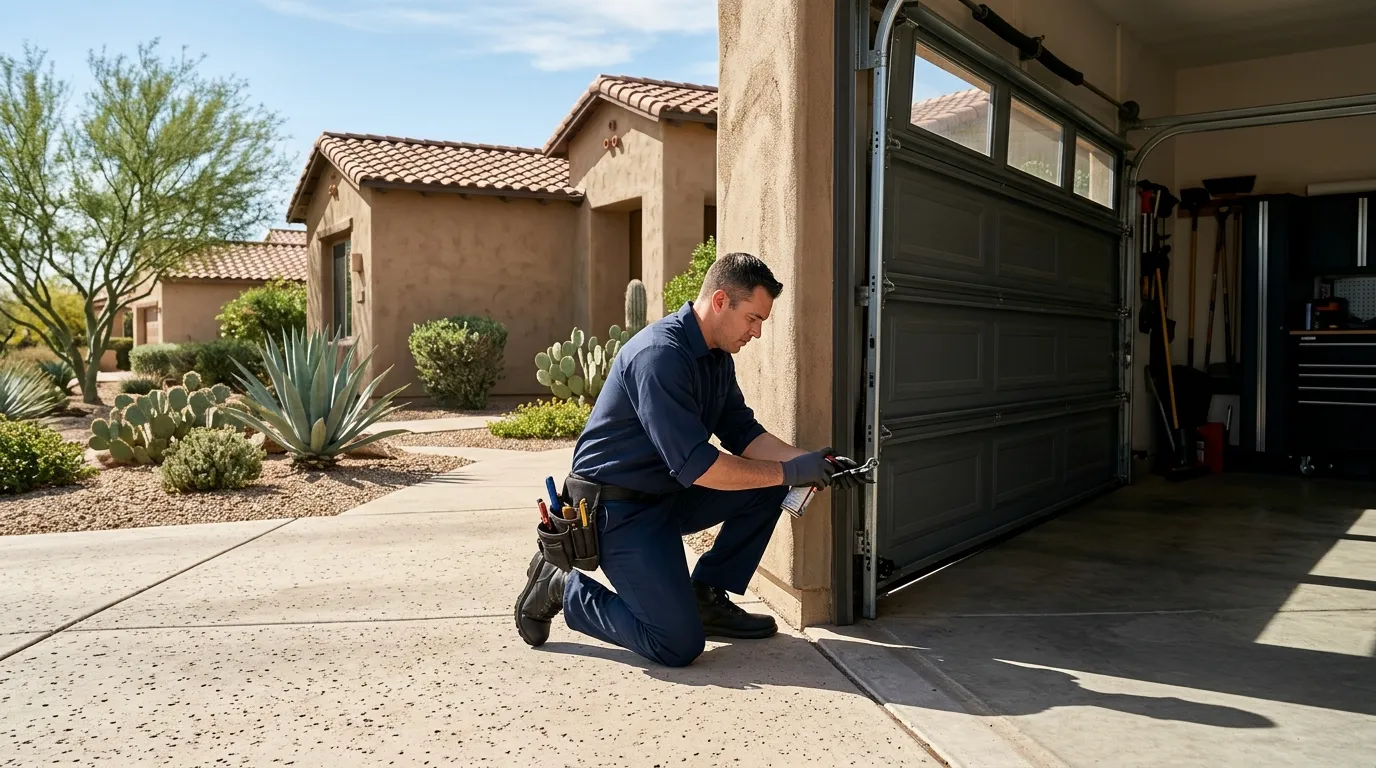
The Problem
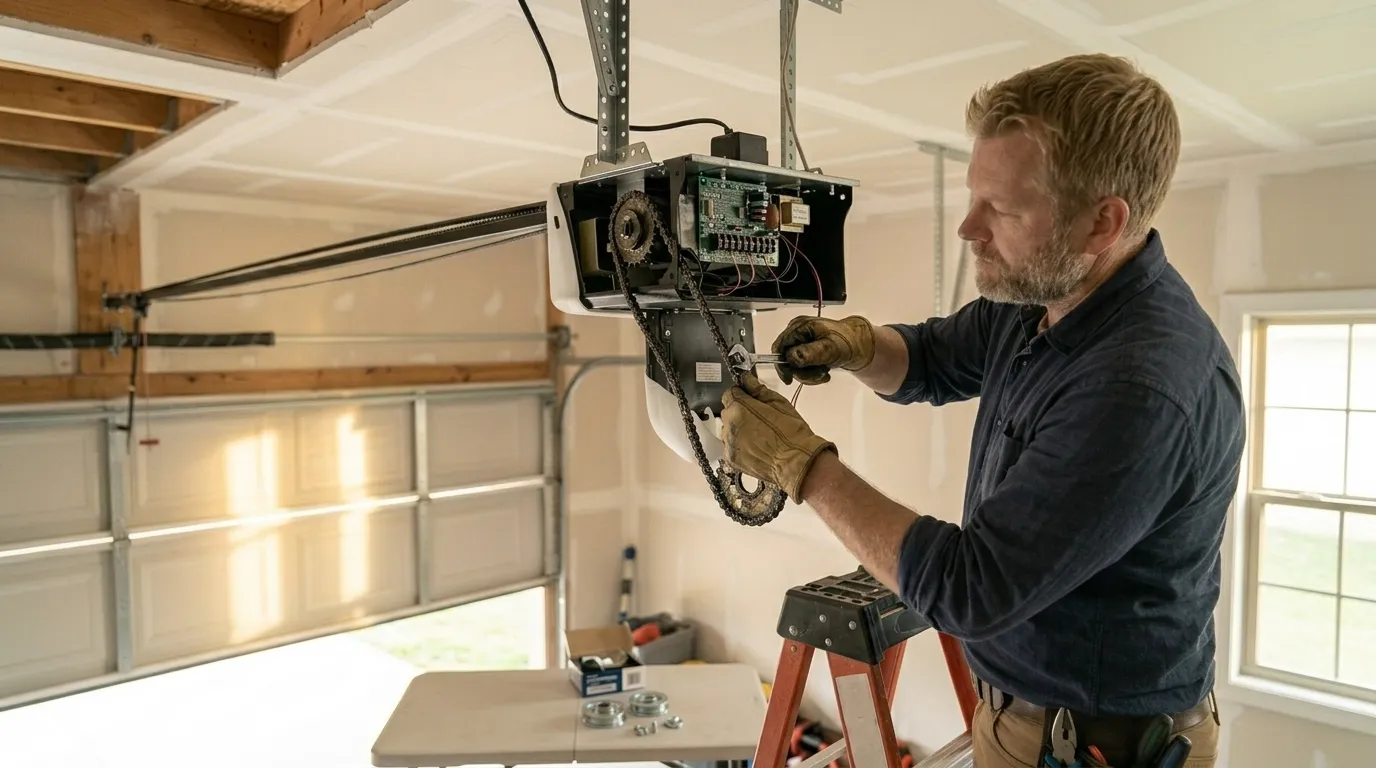
The problem with an older door isn't usually the door itself - it's that the parts wear out one at a time, and each failure looks small until you add them up. A door built when your house was built, sometime in that long 1973-to-2014 window this town falls into, was built to a spec from that era. Springs were sized for lighter insulation, tracks were set for hardware that doesn't get sold new anymore.
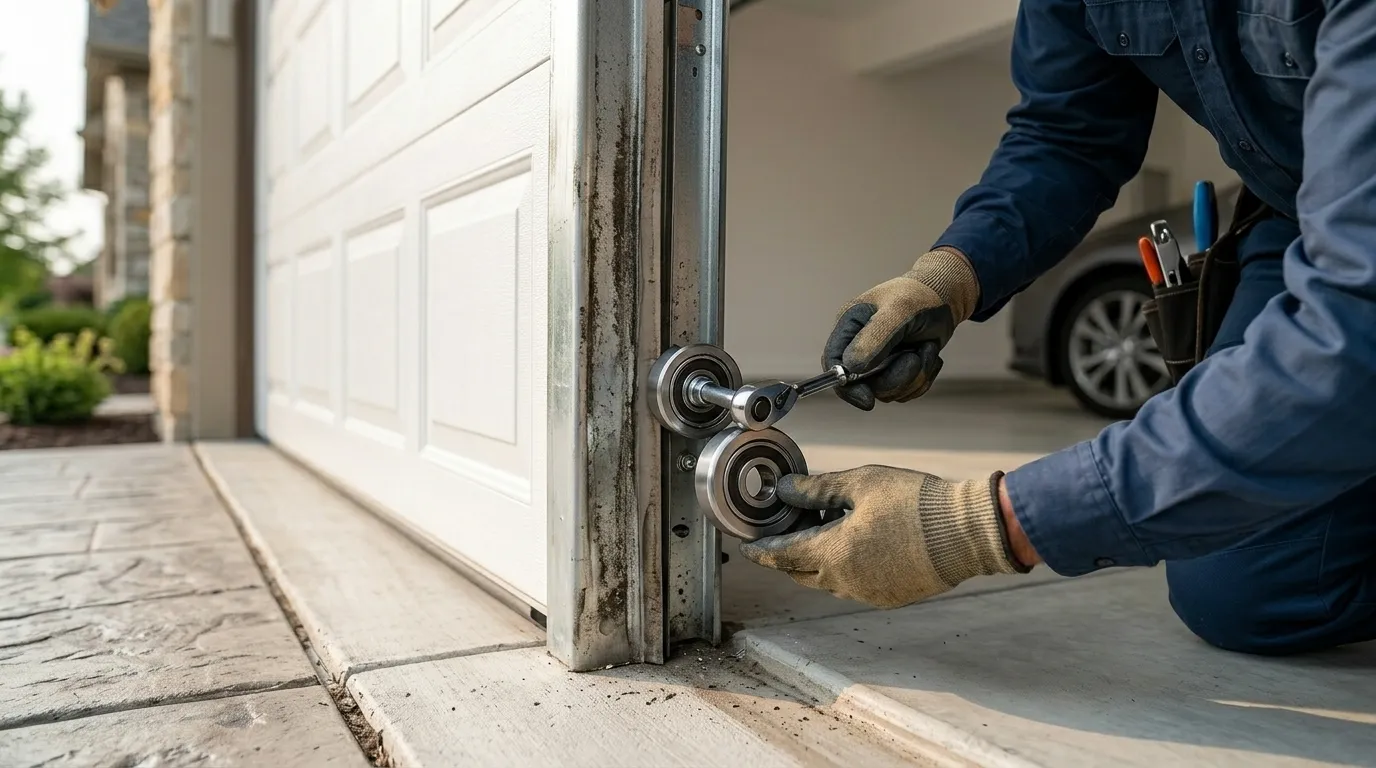
So when a homeowner calls about a door that "just stopped working," it's rarely one thing. A roller that's been grinding for two years finally seizes, and now the track it was riding in is scored. A spring that's outlived its cycle count snaps, and the cable it was holding has already stretched past where it should sit. None of that shows up on a walk-by. It shows up when the door won't open, or opens crooked, or slams the last six inches because the spring isn't carrying its share of the weight anymore.
That's the real cost of an aging door - not one repair, but the string of small ones that come due close together once the door passes a certain age. Knowing whether you're at the start of that string or near the end of it is most of the judgment call in this work.
What Local Conditions Do
Duncanville sits in a moderate-heat climate band, not the kind of extreme swings that crack wood panels or freeze springs solid in winter. That's actually good news for door longevity here - it's one reason a door built in the 90s can still be worth saving instead of scrapping. You're not fighting the same wear a door in a harsher climate would see.
But moderate heat still means real heat, and real heat does two things to an older door over enough summers. It dries out lubrication in hinges and rollers faster than owners expect, which is why a door that was quiet last year starts groaning this year. And it softens the balance point on the spring - metal fatigues a little faster when it's cycling through heat every day for twenty or thirty years.
So the conditions here don't destroy doors the way hail or hard freeze would somewhere else. They just quietly shorten the interval between the point where a door needs lube and adjustment and the point where a part actually fails. On a door already at that 1990s-vintage age, that shorter interval is often the difference between catching a problem with a service call and getting a call from a homeowner whose door won't move at all.