What Actually Happens During a Duncanville Service Call
Duncanville homes built between 1973 and 2014 have specific spring, opener, and track wear patterns. Here's what our service call actually checks and why.
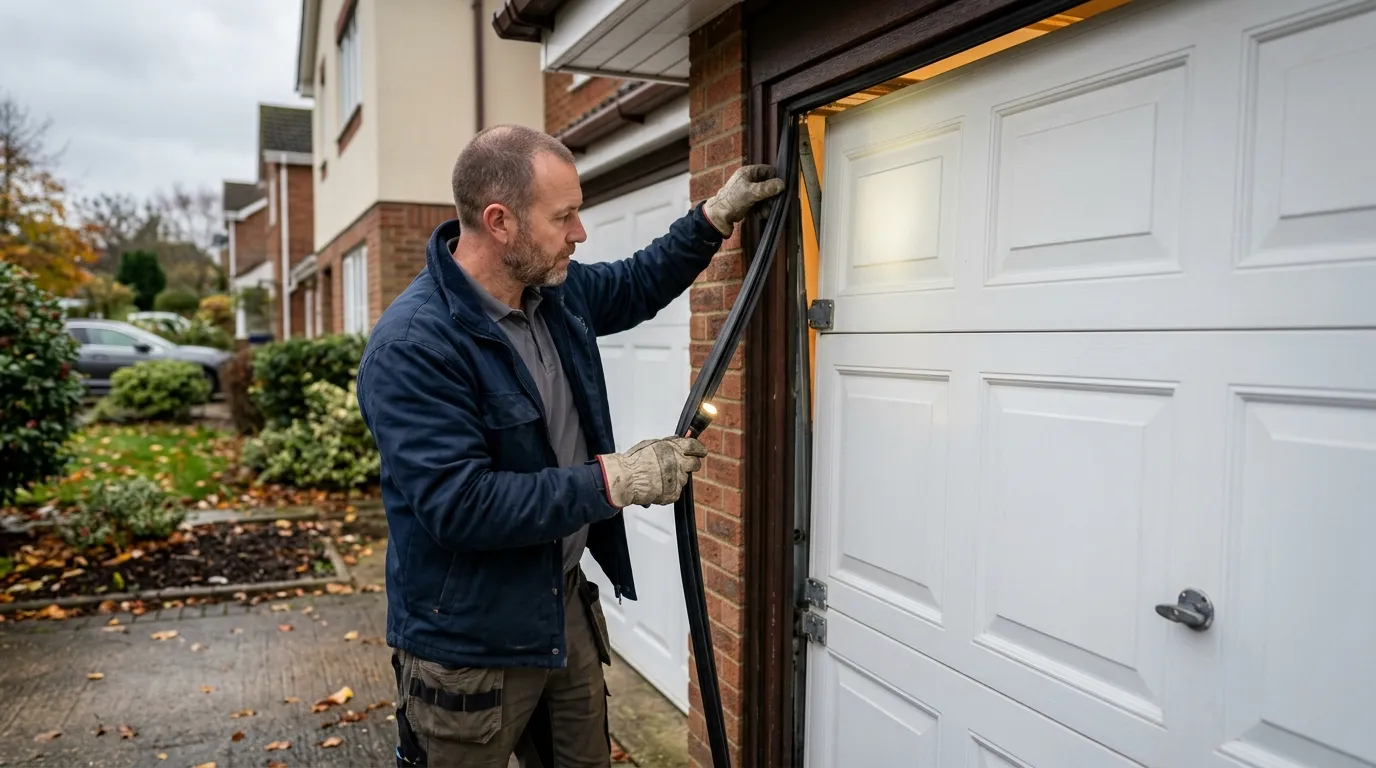
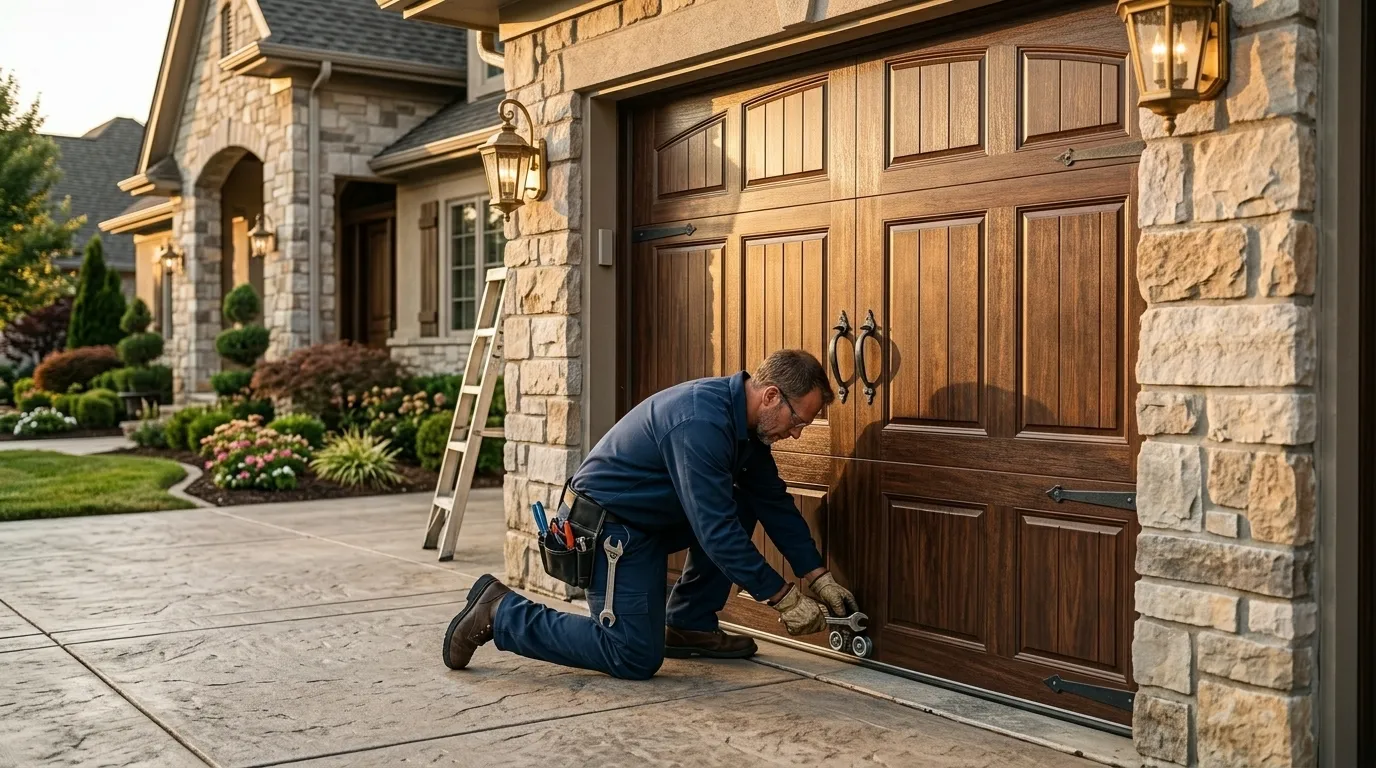
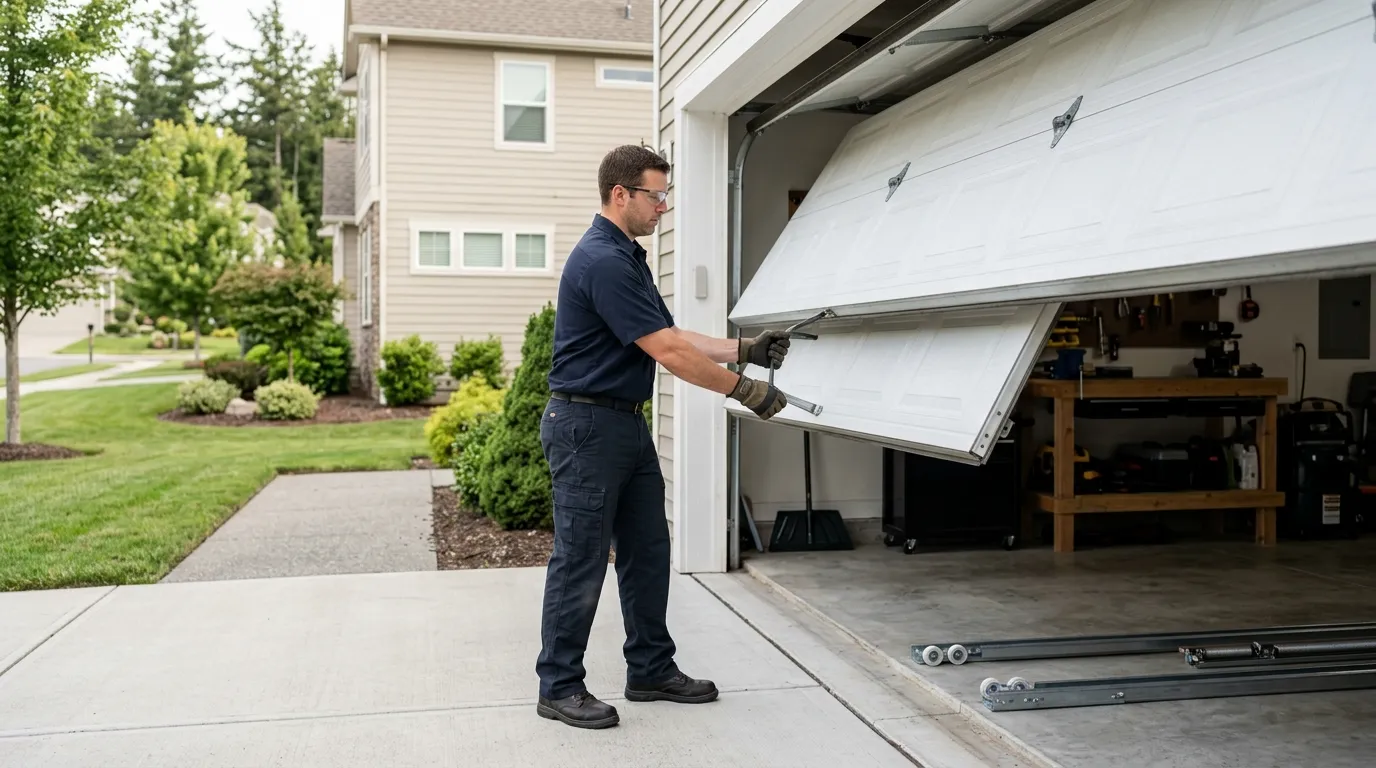
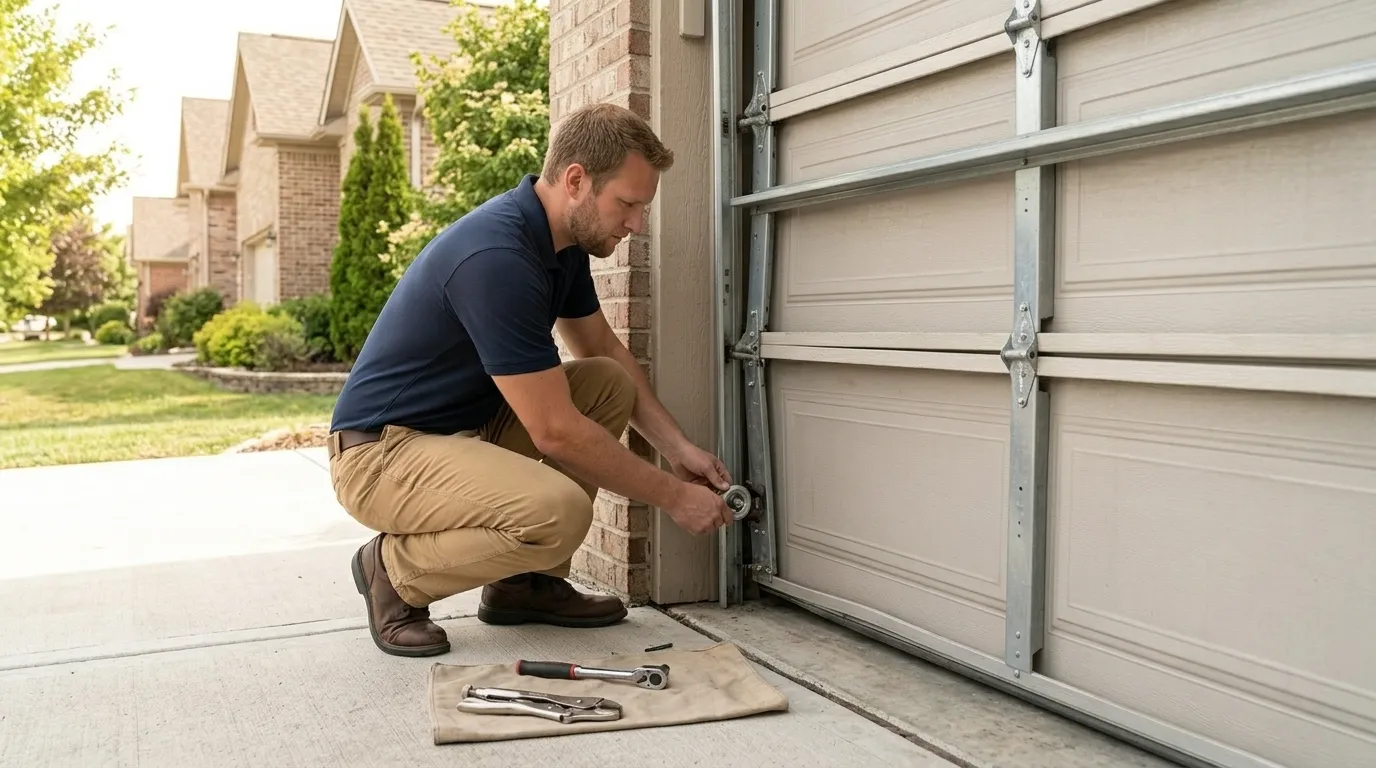
We don't quote a number until we've looked at the door, because a torsion spring job and a full opener swap aren't the same call, and pretending otherwise is how homeowners get surprised. What we can tell you is what's included when our truck shows up: a full inspection of springs, cables, rollers, tracks, hinges, and the opener's force and travel settings, not just the one part you called about. In a service area where median household income runs around $97,039, most of the calls we get aren't emergencies - they're maintenance that got put off a year too long. That inspection is part of the call whether the fix ends up being a five-minute adjustment or a full spring replacement. If the door needs parts we don't have on the truck, we tell you before we start, not after. We'd rather lose ten minutes explaining the job than have you wonder later what you paid for.
The Problem
Duncanville's housing stock runs 1973 to 2014, with the median build year sitting around 1993 and most of the neighborhoods we work in built out in the 1980s and 90s. That matters because a door installed in 1988 is on original hardware that's now been cycling for over three decades - springs rated for a certain number of cycles, rollers that were never sealed bearings, openers with chain drives that have long since stretched. We're not seeing brand-new construction problems here; we're seeing thirty-year-old torsion springs that finally let go on a Tuesday morning, or openers from the 90s that still work but draw current like they're fighting something. The problem isn't that these doors were built wrong. It's that they've aged out of their original parts, and a lot of owners don't know that until something snaps.
What Local Conditions Do
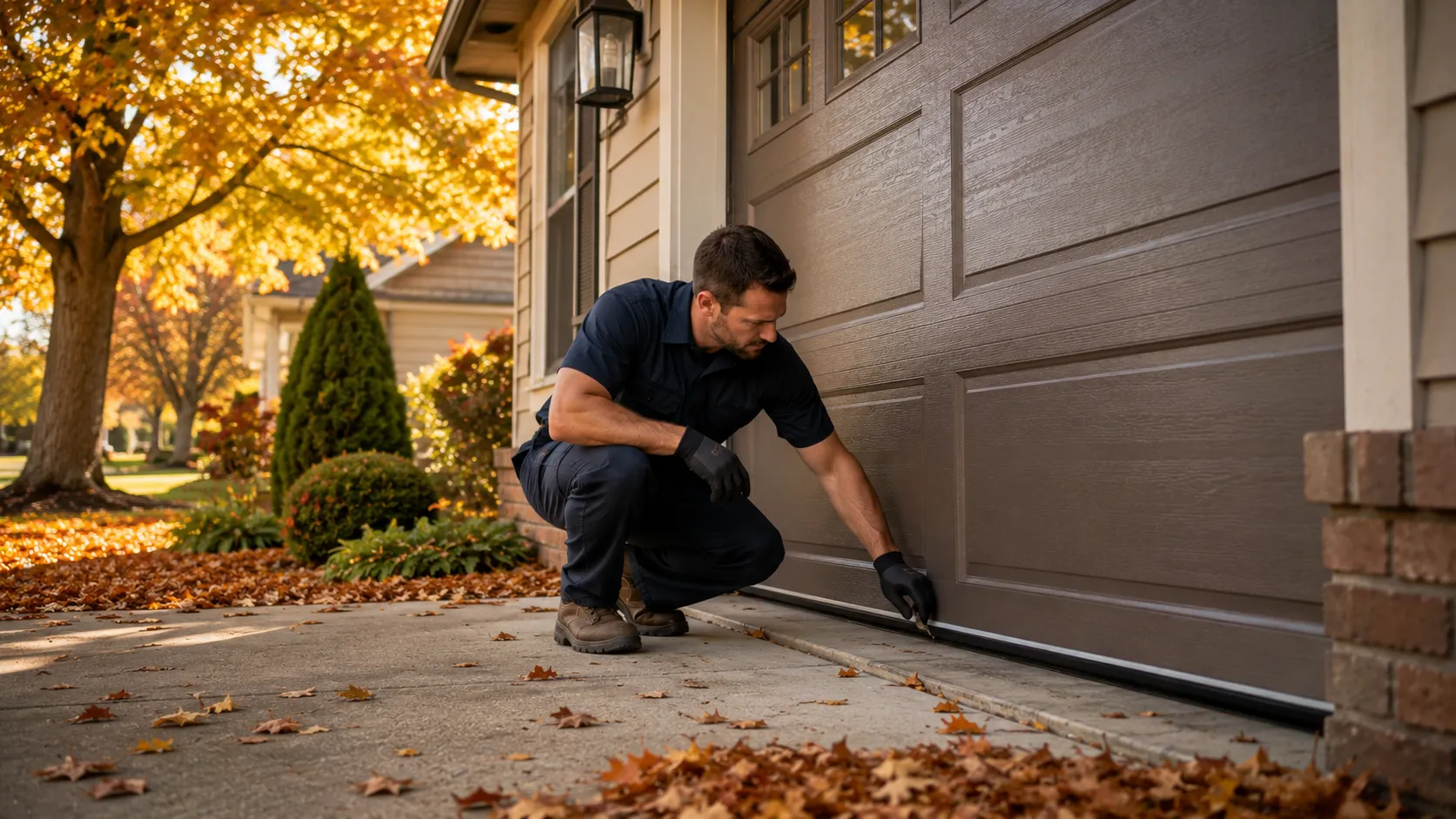
Duncanville sits in a moderate heat climate band, which means the wear we see isn't from ice or heavy snow load - it's from repeated heat cycling on steel and rubber. Weatherstripping on a door that's been through twenty-plus summers dries out and cracks at the corners first, which lets heat and dust into the garage even when the door looks fine shut. Springs lose tension faster under sustained heat exposure than they would in a cooler climate, so a spring rated for a certain lifespan in a mild climate often comes in under that here. None of this shows up as a dramatic failure - it shows up as a door that's slightly harder to lift each month until one day it isn't liftable at all. That's the pattern we check for on a service call: not just is the door working, but how much life is left in the parts that are aging the fastest.
When It Stops Being a DIY Job
Adjusting the opener's travel limit or replacing a roller is reasonable weekend work. A torsion spring under tension is not - that's the one repair on every list of these where the honest answer is call someone, because the spring is storing enough force to break a hand or worse. If your door is original to a house built in the 1980s or early 90s, which covers a large share of homes across our service area, the cable and spring system has never been replaced, and that's not a part you learn on. We'll also tell you straight when a repair isn't worth it: if the opener is original to the house and the logic board is failing, patching it usually costs more over a year than replacing it once. That's not us upselling - it's us not wanting a callback in six months on a part we knew was near the end.
How it works
From “it’s stuck” to “it’s fixed”
A quick, honest process - no guesswork and no surprises.
1
Tell us what’s wrong
Describe the symptom - won’t open, loud bang, opener runs but the door won’t move.
2
On-site diagnosis
A technician tests the door under power and by hand and finds what actually failed.
3
Clear, up-front plan
You get the fix that’s needed and what drives the cost - before any work starts.
4
Repaired & tested
The repair is done, the door is set true and tested, and the work area left clean.
Serving Duncanville, TX - tell us what your door’s doing and we’ll take it from there.
How old does my garage door have to be before I should worry about the springs?
If your house was built in the 1980s or 90s, which is common across Duncanville, and the springs haven't been replaced, they're past the point where we'd call them reliable. Heat cycling in this climate shortens spring life compared to cooler regions, so a spring that looks fine can be closer to failure than the calendar suggests.
Do you serve areas outside Duncanville itself?
We work throughout the surrounding service area, including places like Glenn Heights, Ovilla, Lancaster, and Oak Leaf, all within about ten miles. Call and tell us where you are and we'll let you know if it's a straightforward trip.
Can I just replace the opener myself?
Mounting a new opener is doable for someone comfortable with basic tools, but pairing it correctly with an older track and door - especially one from the 1990s housing stock common here - sometimes exposes wear you can't see until the new unit is running. We'll do the inspection either way if you want a second look before you buy.
Ready to get your garage door sorted?
Tell us what it’s doing and where you are in Duncanville - we’ll take it from there.