The Symptom
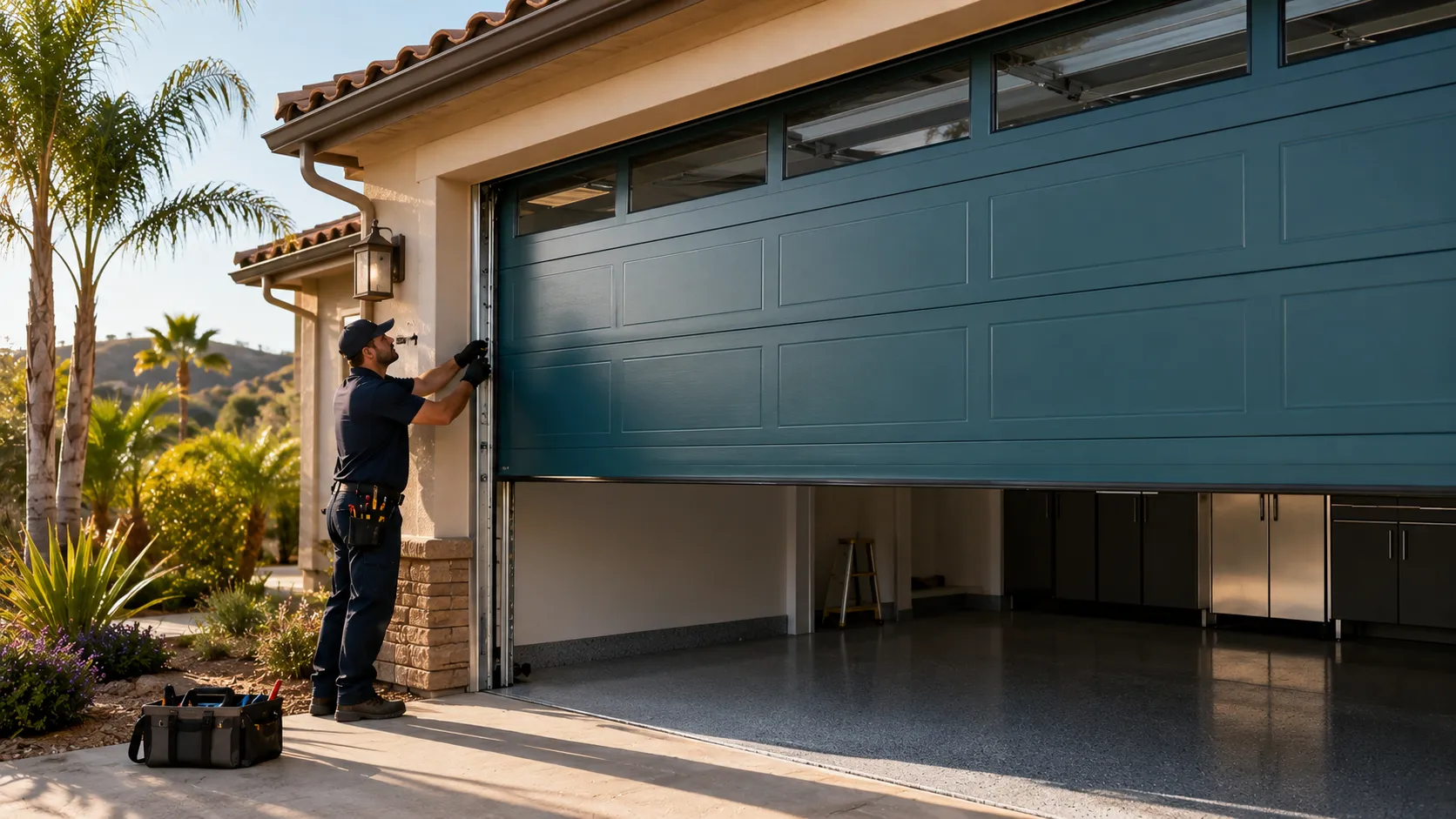
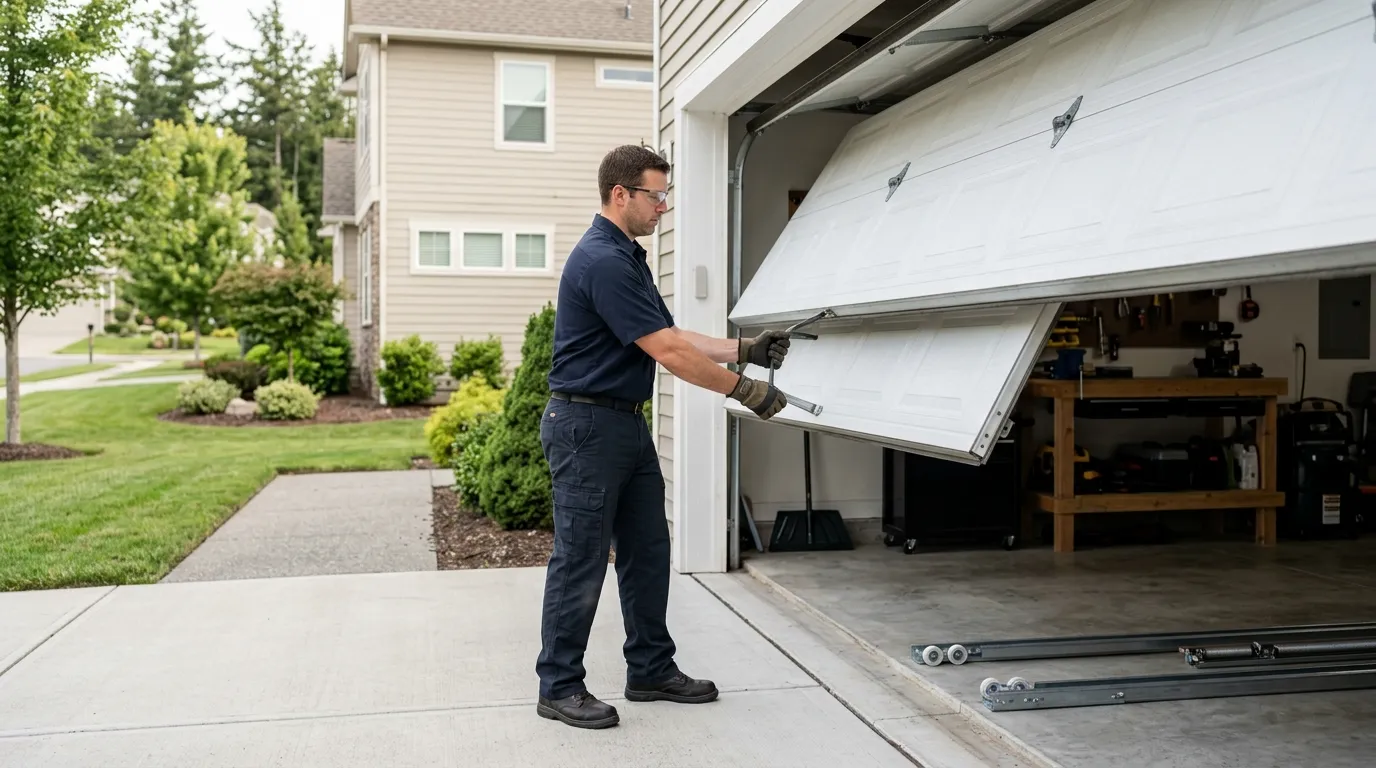
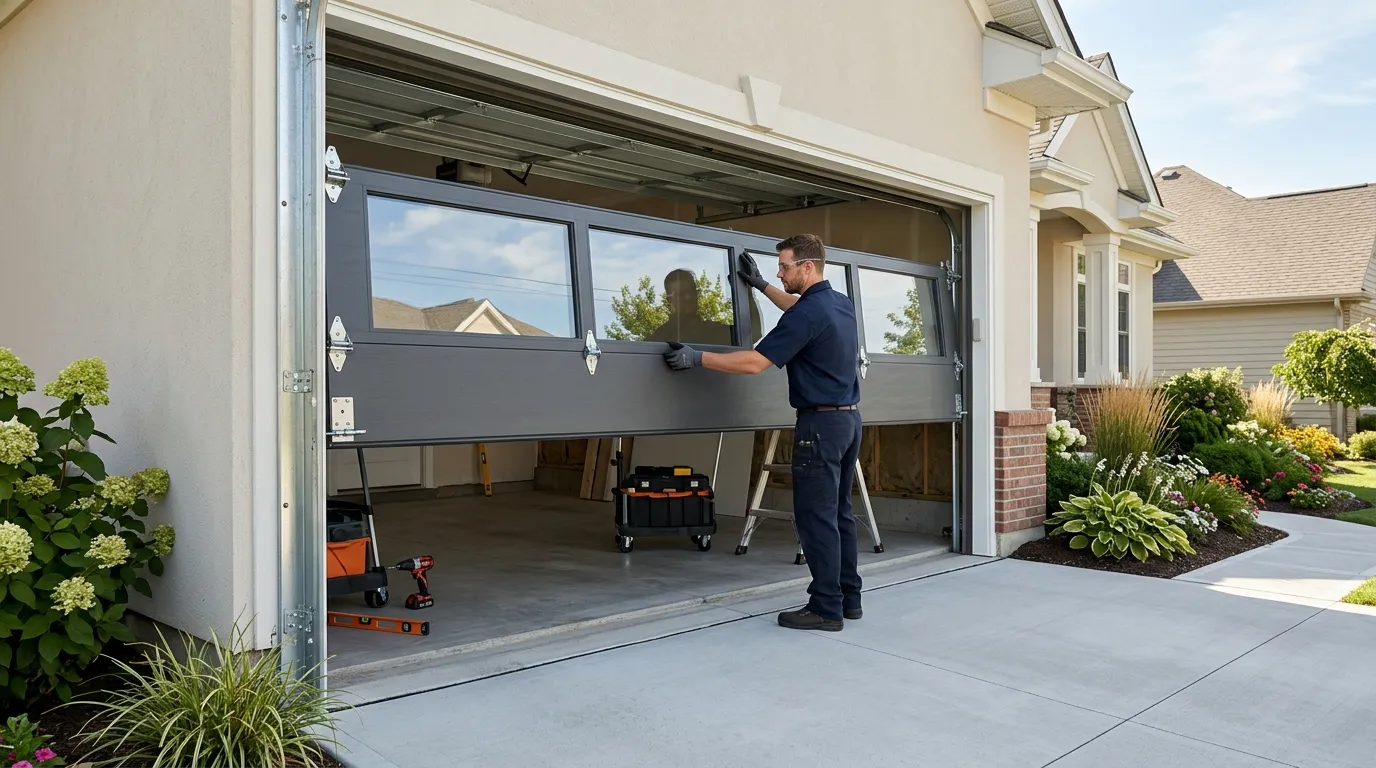
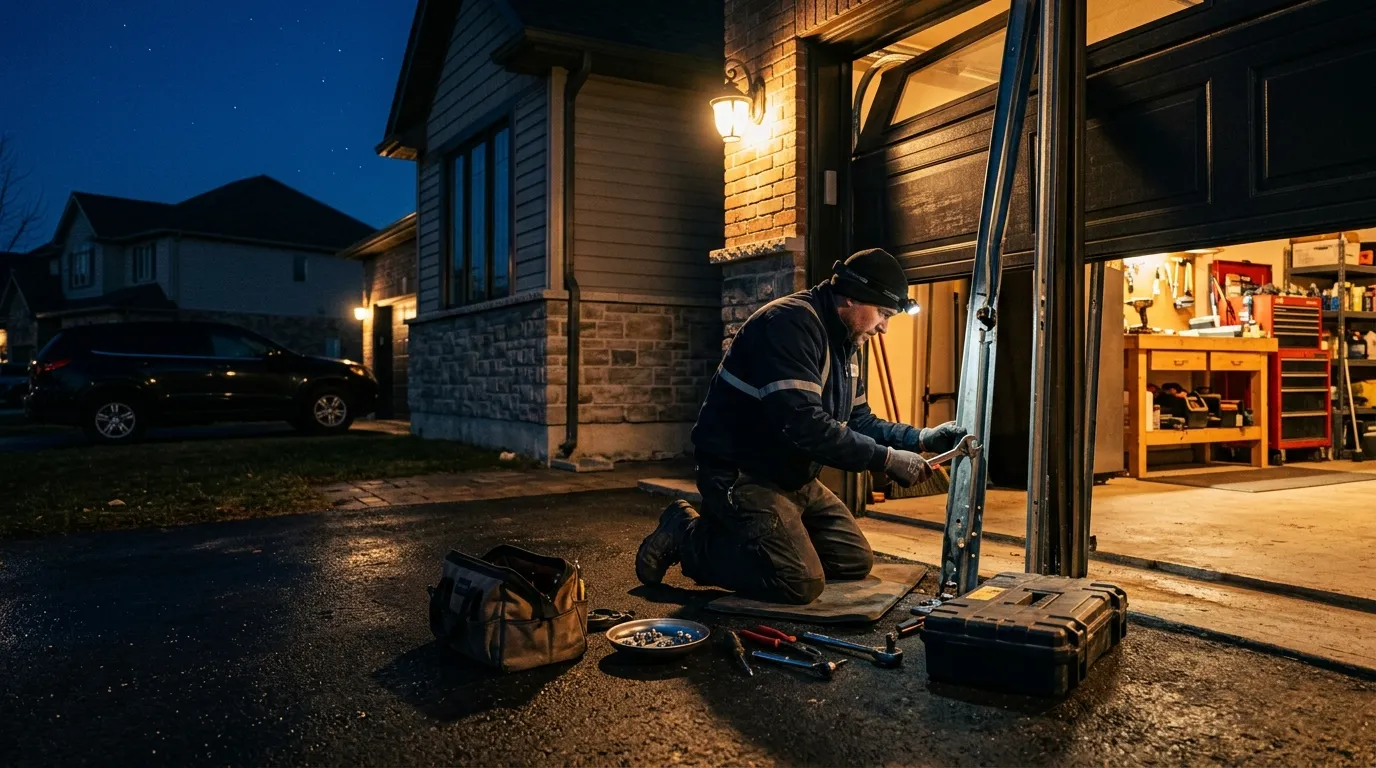
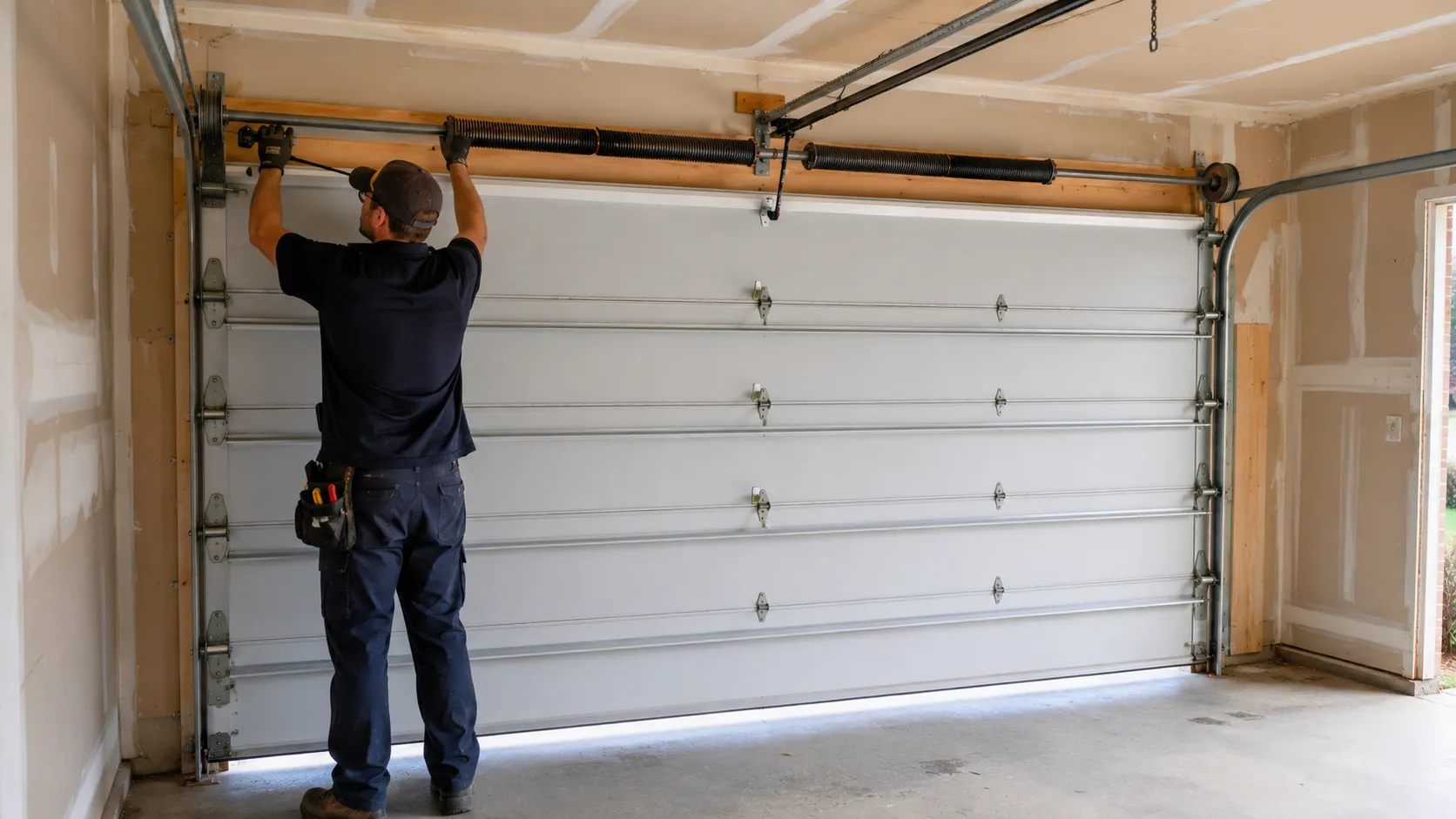
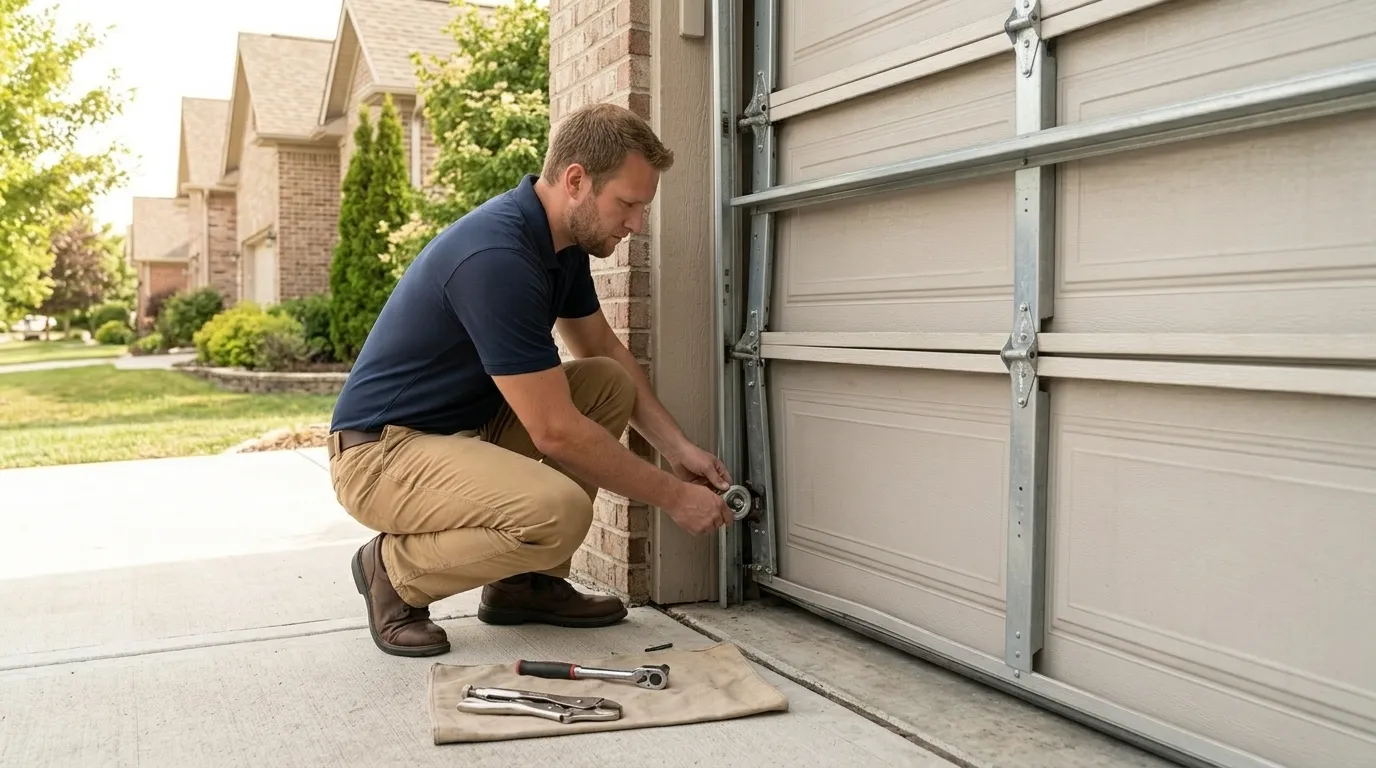
The most common call we get from this stretch of Highland Park is a door that won't budge past a foot off the floor, or one that slams down hard instead of lowering smooth. Both point to a broken or fatigued torsion spring. You might also hear a loud bang from the garage, usually the spring itself letting go under tension, sometimes at 2am when nobody's touching the door. On homes built when this one was, a lot of owners have never replaced the springs once, which means the originals or one prior replacement set are still doing the work. If your opener strains and grinds before giving up, that's the same failure showing up through the motor instead of the door.
Parts We Carry
For a house from the early-to-mid 1970s we stock standard torsion springs in the wire gauges and lengths common to that era's residential doors, plus the extension-spring hardware some of these garages still run if the door predates torsion setups becoming standard. We carry matched pairs, not singles, because running one new spring against one old one is how you get an uneven door and a second call in six months. One honest limit here: if a spring size is unusual, custom-length, or paired with a discontinued drum or shaft, we may need to order it rather than complete the job same-visit, and we'll tell you that up front instead of after we've started.
The Complications
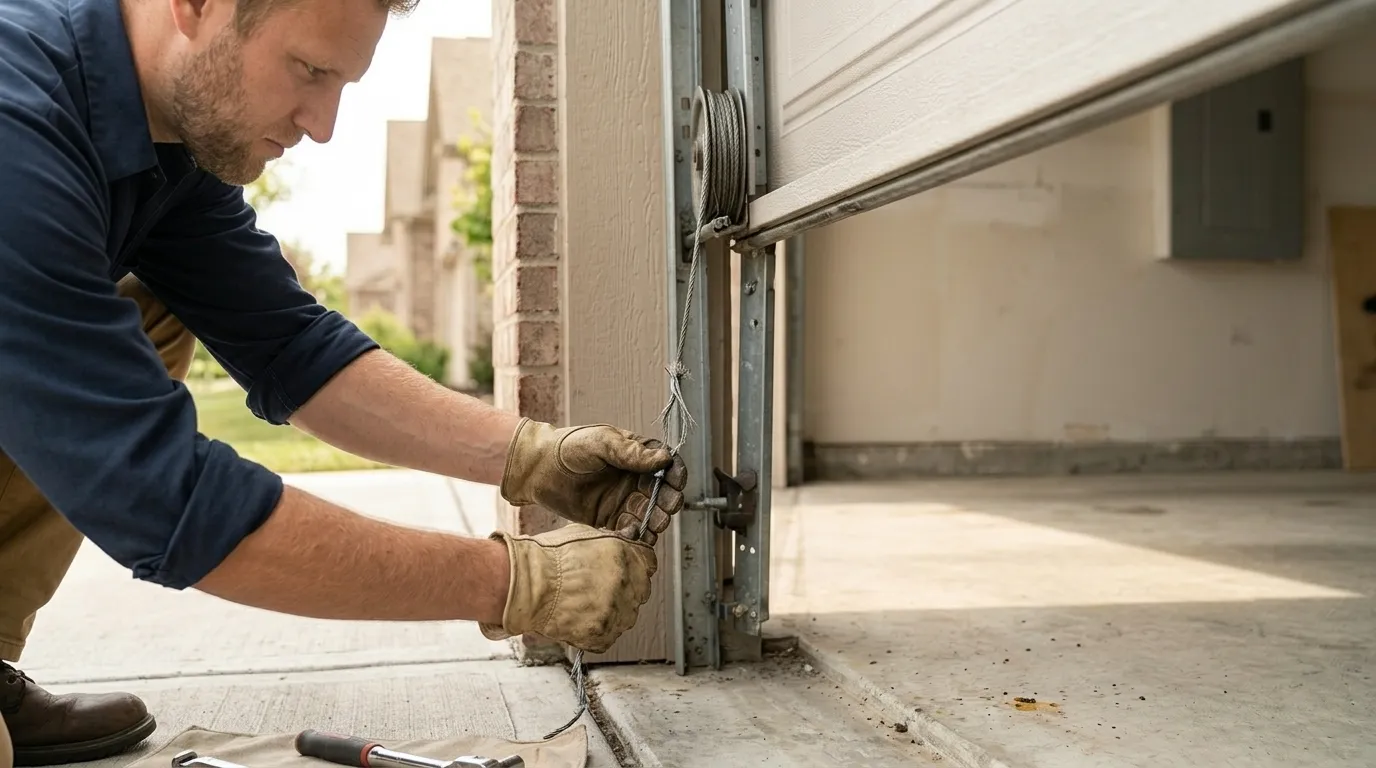
Highland Park's median household income sits well above the service area's overall figure of $97,039, and in practice that means more owners here have upgraded openers, insulated steel doors, or custom hardware layered onto original framing rather than a straight swap-and-replace. A newer opener bolted onto a 1973 door still needs springs sized to that door's actual weight, not the opener's rated lift, and mismatched springs are one of the more common complications we find on repeat calls in areas like this. We also check for rust or corrosion on cable and drums before quoting a spring-only fix, since a spring replacement on failing cables is a job that gets redone within the year.
What Causes It Around Here
Highland Park's climate band is moderate heat, not the extreme swings that shorten spring life through repeated hard freeze-thaw cycling, so the wear pattern here is mostly straightforward age and cycle count rather than weather damage. A door built in 1973 and used a few times a day for fifty years has simply put a torsion spring through more open-close cycles than its rated lifespan, and that's the failure we see most. Combine that with roughly 3,249 households in this pocket of the service area, many holding onto original garage hardware longer than newer subdivisions do, and spring failure from straightforward fatigue is the pattern, not the exception.