The Symptom
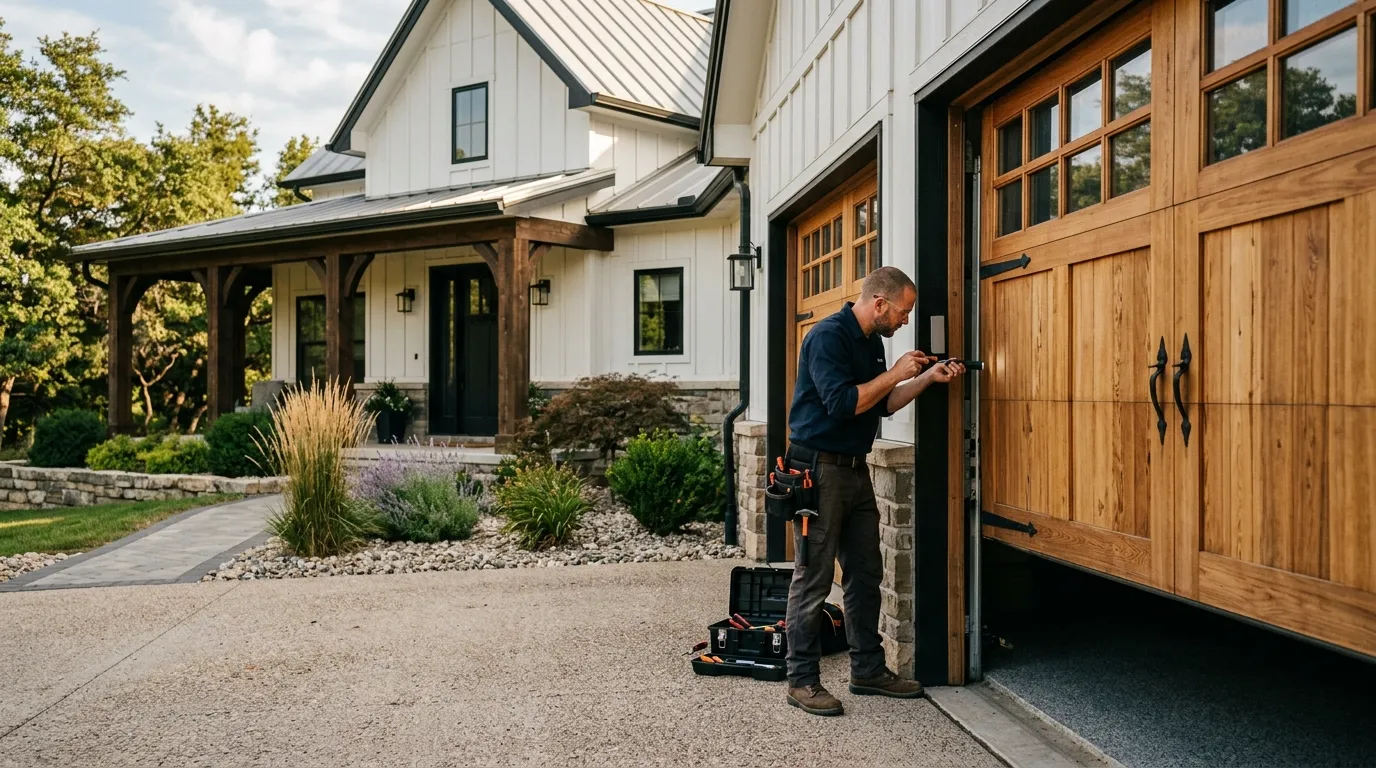
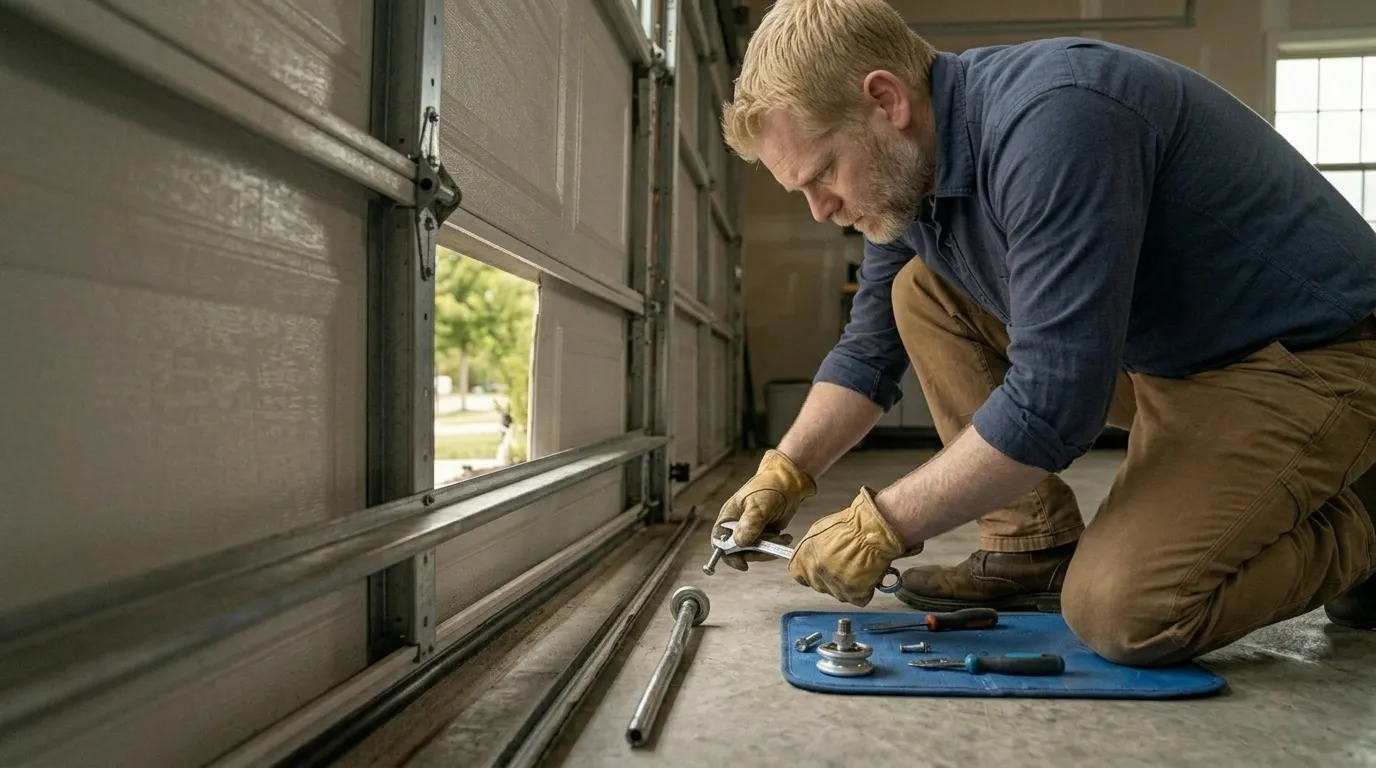
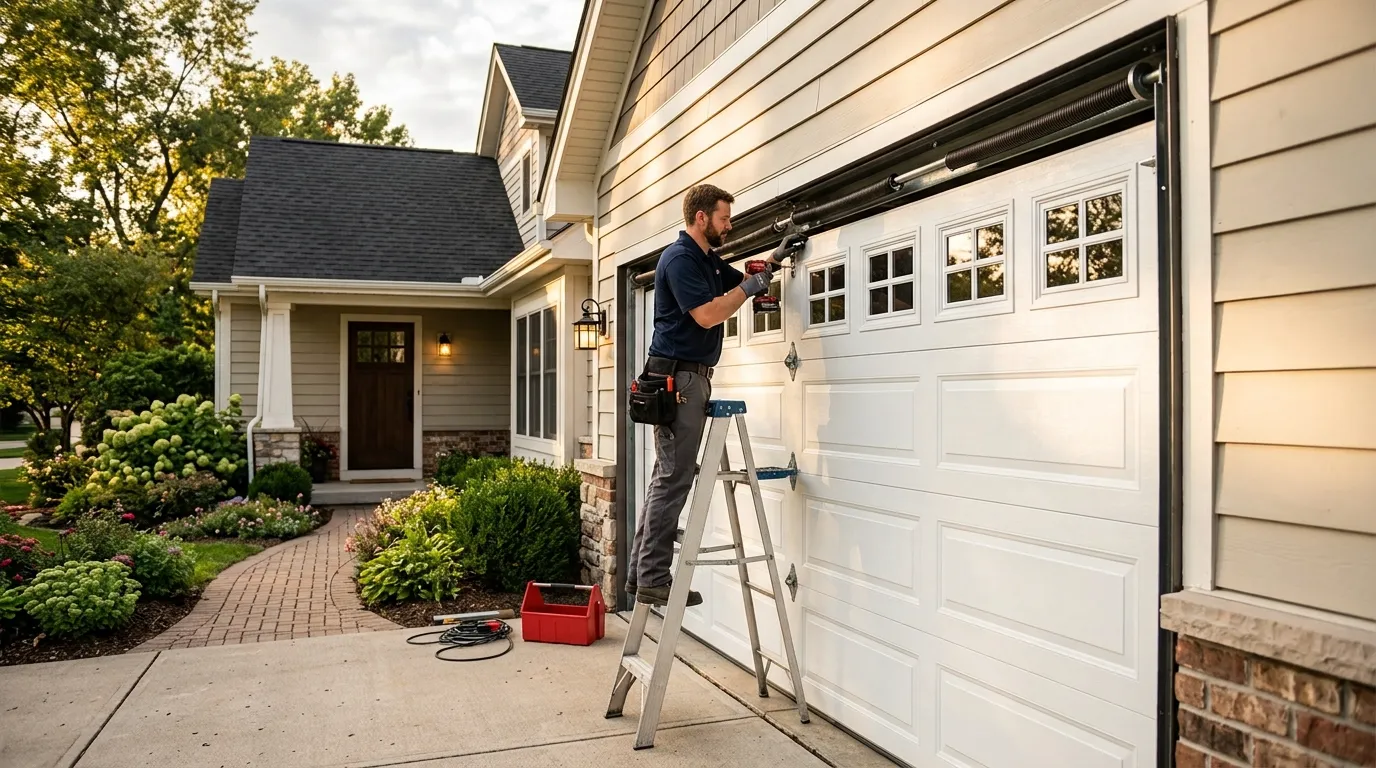
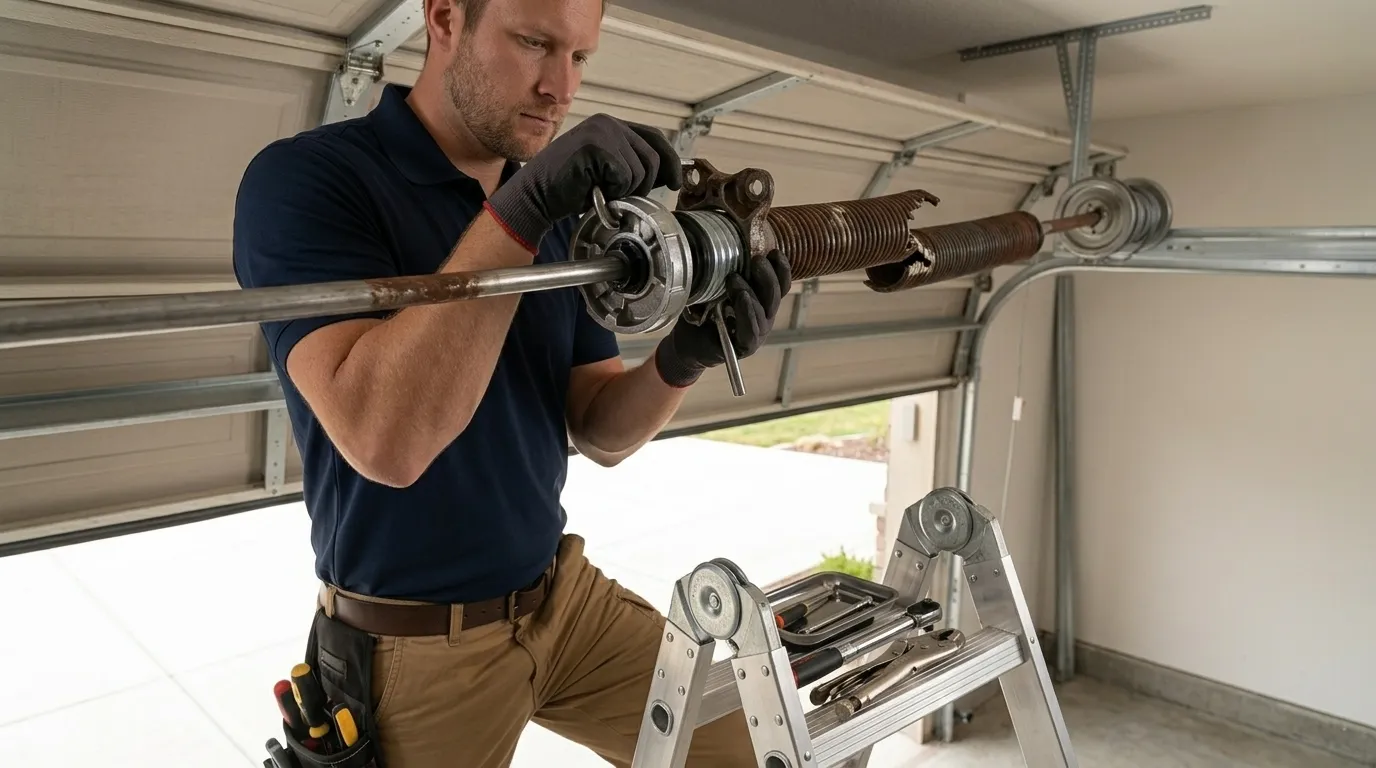
The complaint we hear most from this town is a door that's slow to open, or one that reverses partway up and drops back down. On a house built around 1973, that's usually the torsion spring losing tension after decades of cycles, or a cable that's frayed enough to bind on the drum. Some owners notice the door slam the last few inches on the way down - that's often a worn roller or a track that's pulled slightly out of plumb, not the opener itself. We don't guess over the phone. A door that reverses can also mean a bad safety sensor, and that's a five-minute fix, not a spring job, so we check before we quote.
Parts We Carry
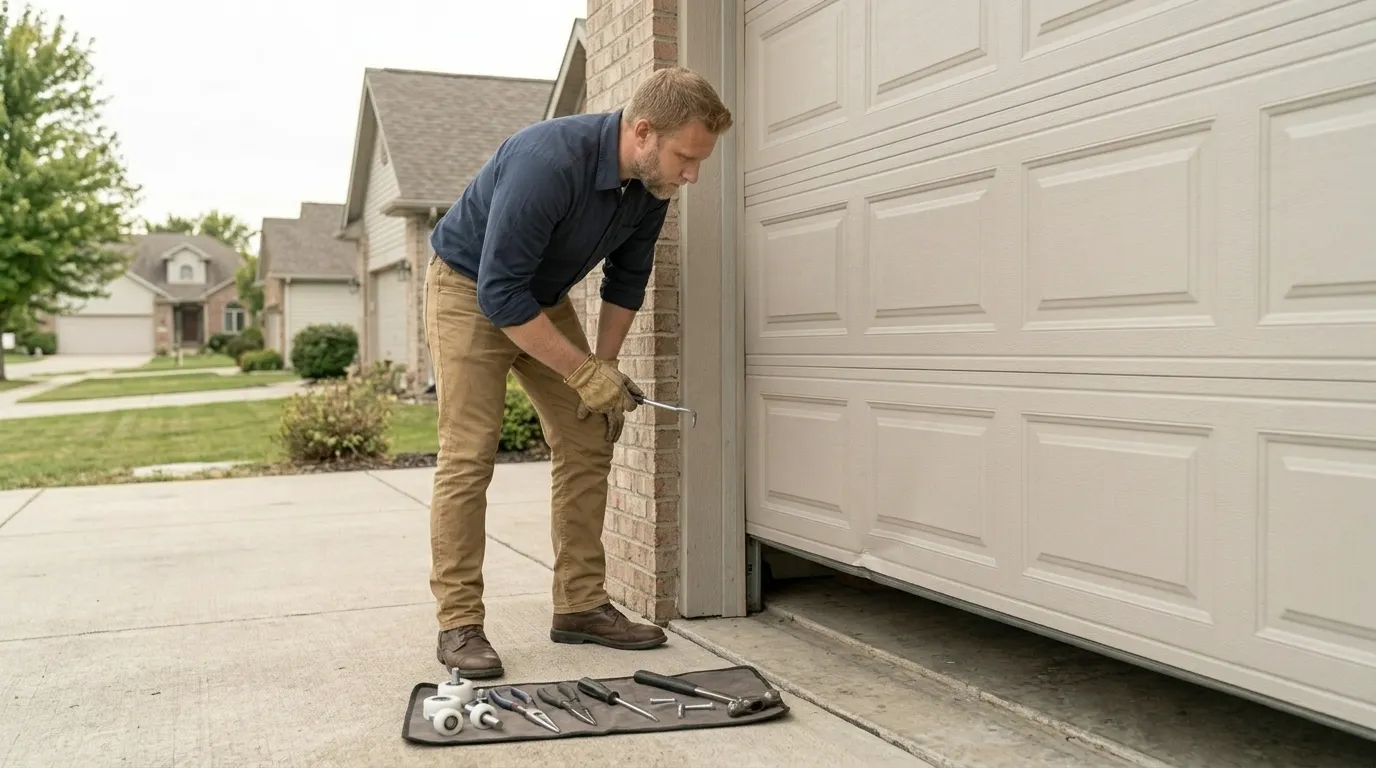
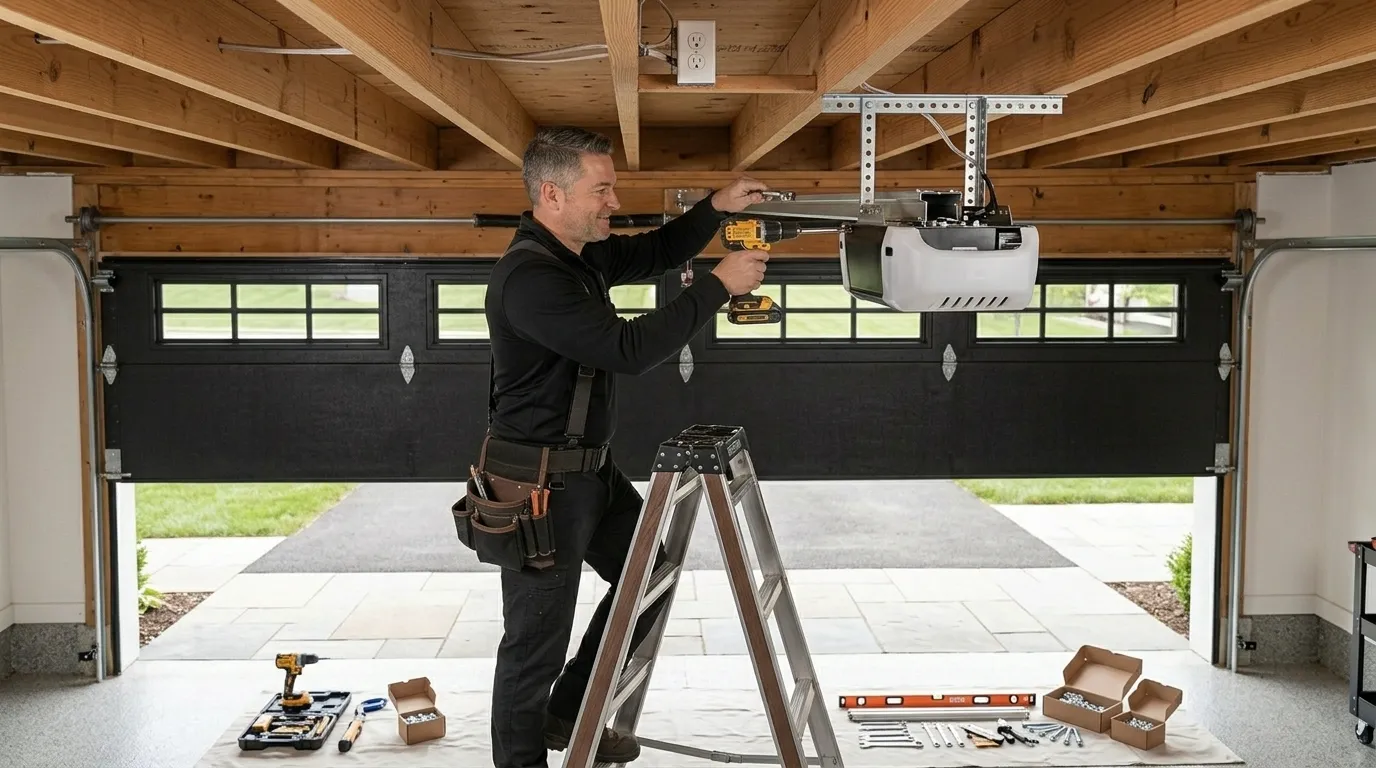
For a house from the early '70s, we carry torsion springs sized for the older low-headroom setups, standard lift cables, and rollers in both nylon and steel - nylon runs quieter, steel holds up longer under heavy use. We stock openers across a range of price points, which matters here given what we said about Highland Park owners: some want the basic chain-drive replaced with the same, others want the quiet belt-drive with a battery backup. We carry both. What we don't carry on the truck is glass-panel or custom wood door sections - those are special order, and if your door needs one, expect a wait, not a same-visit fix. That's the one honest gap in our stock.
The Complications
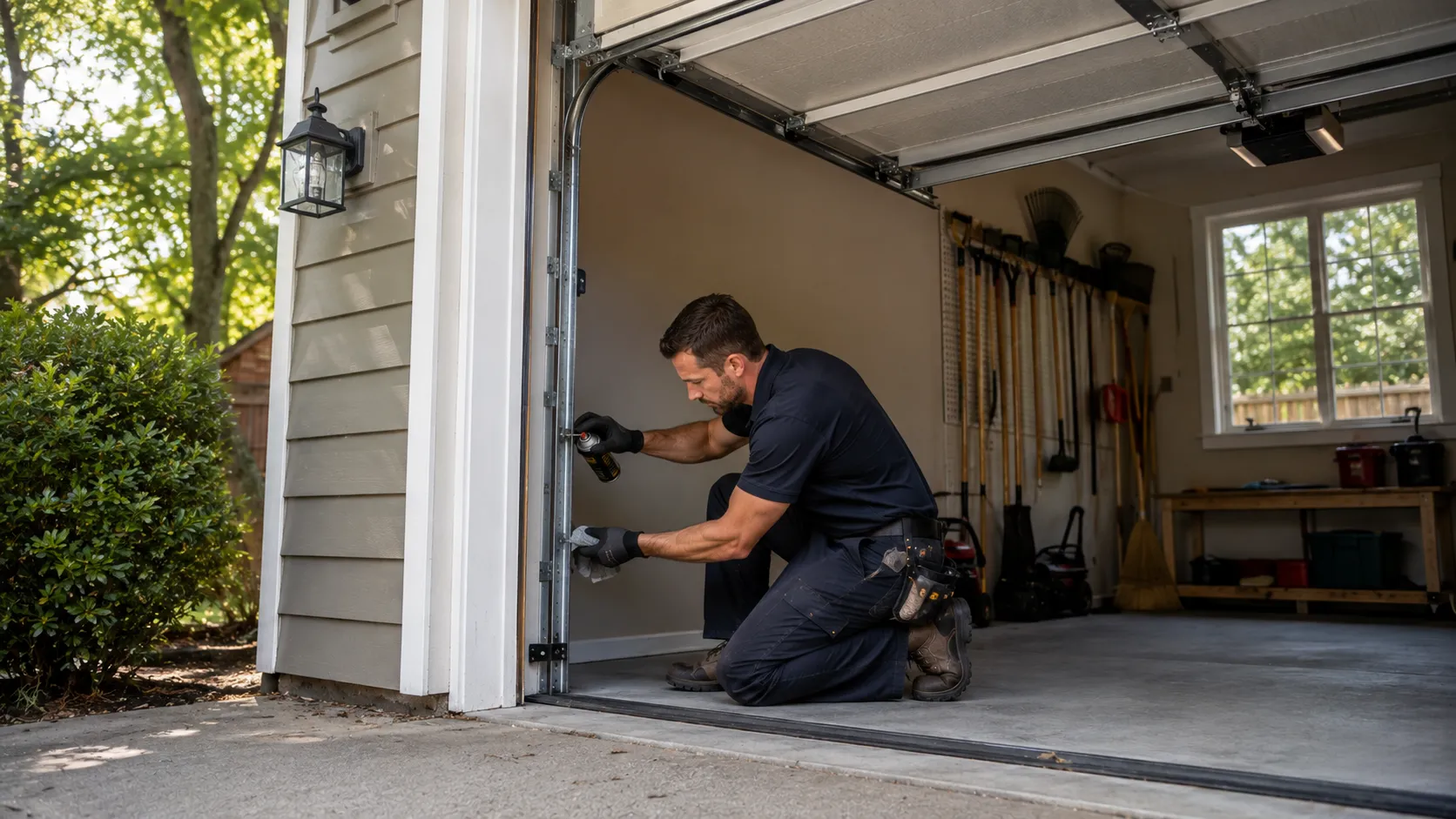
Houses built in the early 1970s sometimes still have the original torsion hardware, which was sized differently than what's sold today - the shaft diameter or the drum spacing doesn't always match a modern off-the-shelf spring. When that happens, we either source the older-spec part or convert the whole assembly to current hardware, and the second option costs more but stops the problem from repeating. We'll tell you which one your door needs before we start, not after. The other complication is heat: the moderate heat load in this region means nylon rollers and plastic idler bearings degrade faster than the metal fittings, so a door that's otherwise sound can still need a roller swap on its own schedule.
What Causes It Around Here
Most of the doors we service in Highland Park are original or close to it, dating to a build era centered on 1973 - meaning the springs, cables, and rollers now on these doors have had roughly fifty years of cycles on hardware that wasn't designed to last that long. That's the single biggest driver of the calls we get from this side of the service area: not storm damage, not a bad install, just age catching up with parts that were never meant to be permanent. A smaller household count also means fewer of these doors get run through daily commercial-style use, so when a spring finally goes, it's usually fatigue, not abuse.