The Symptom
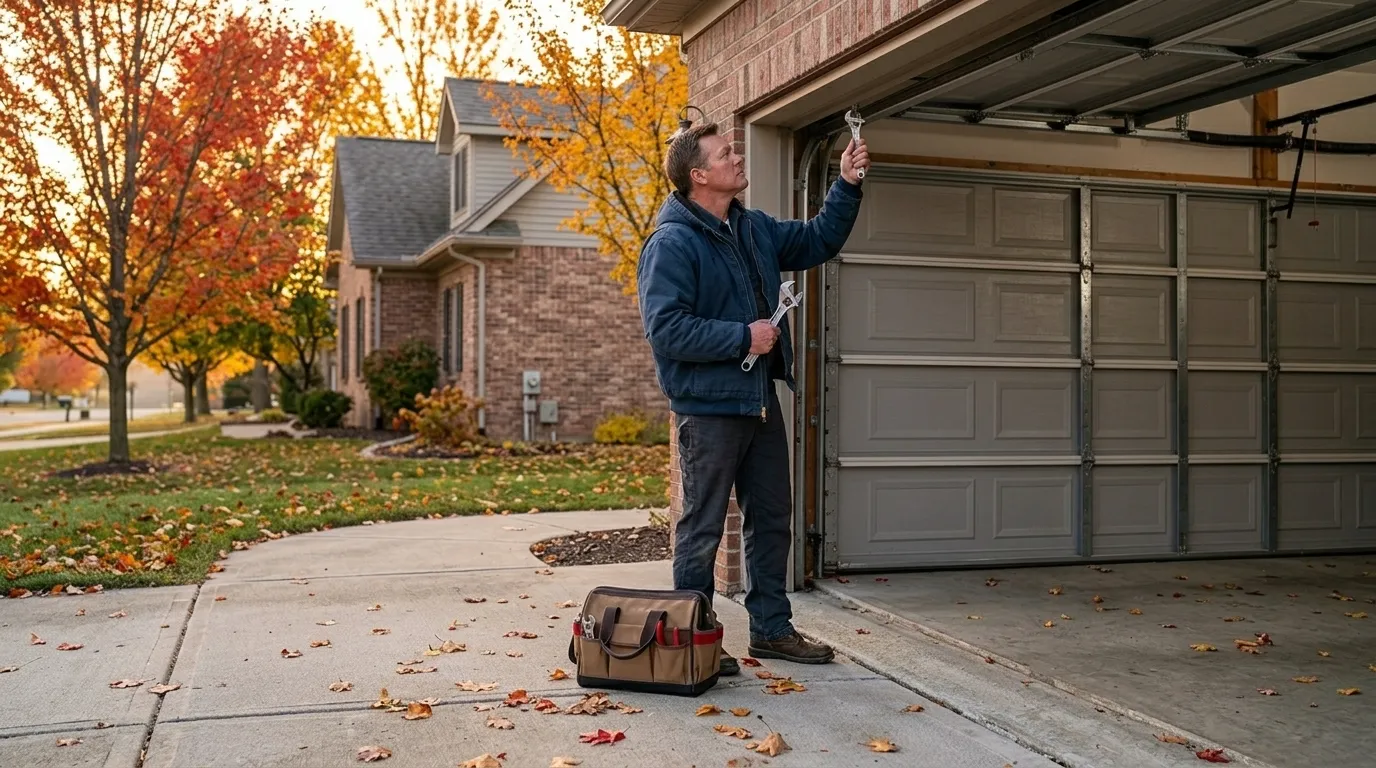
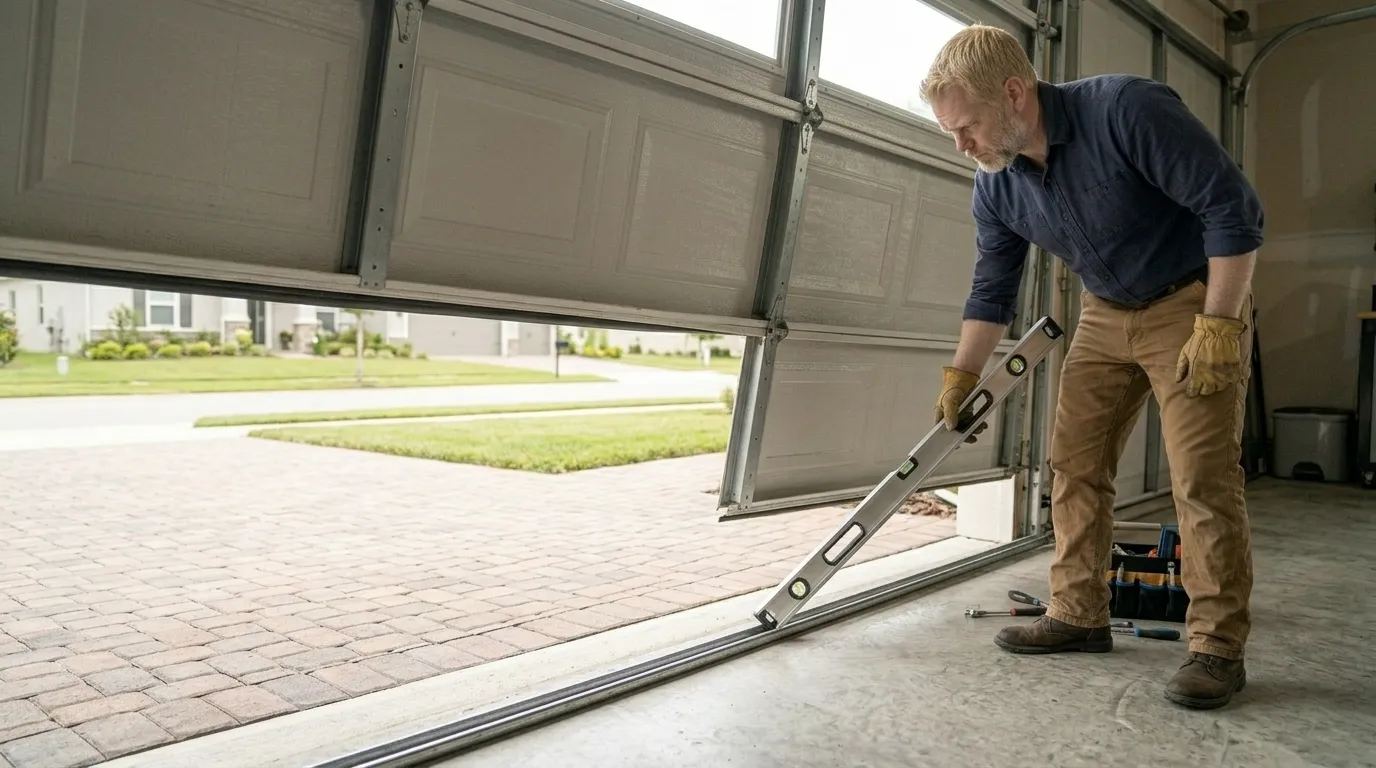
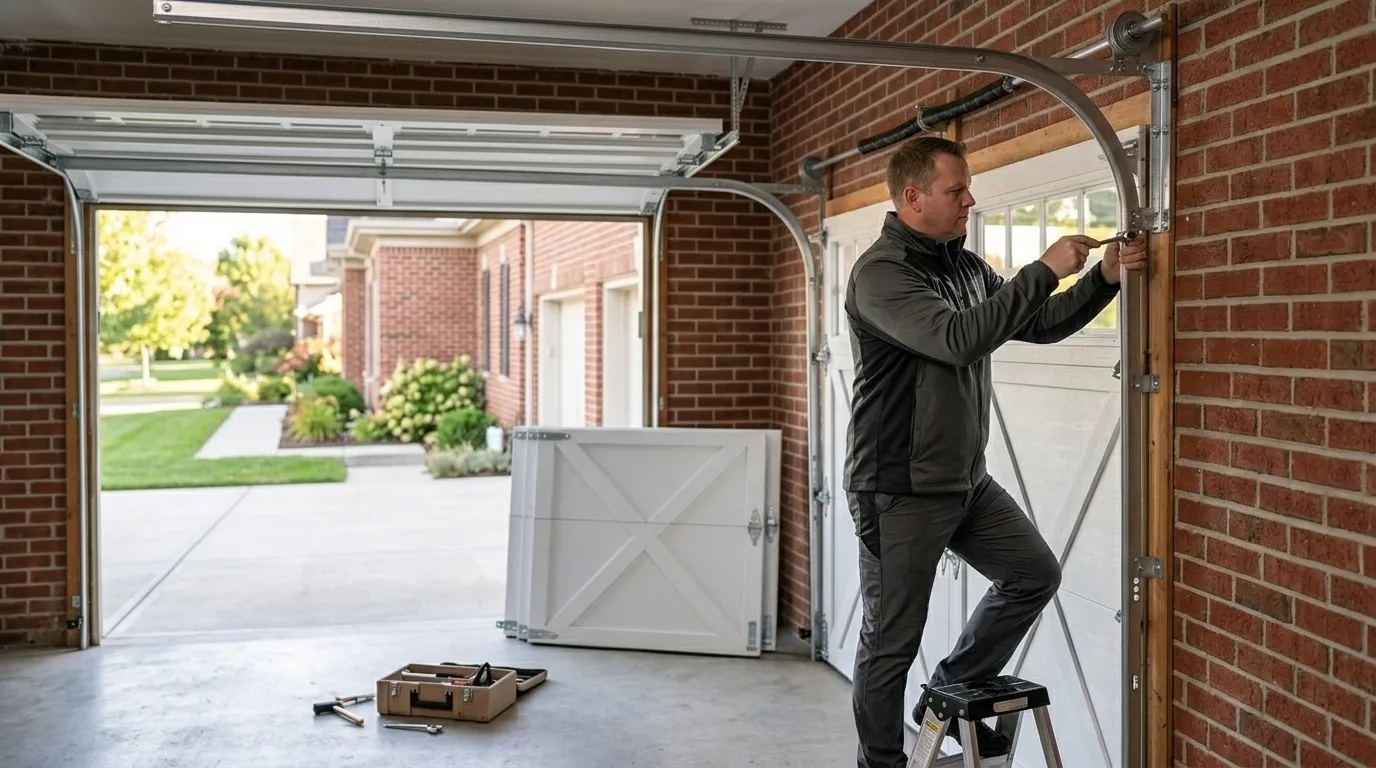
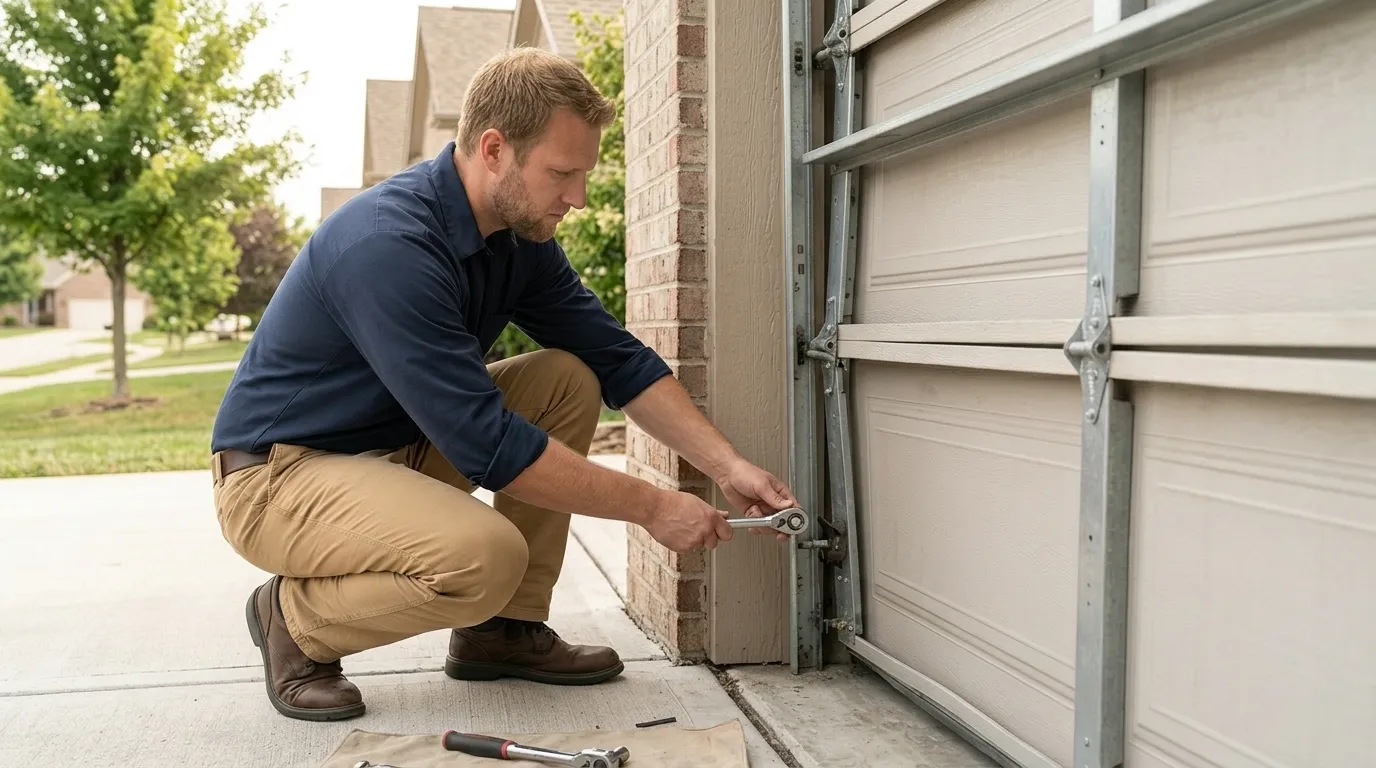
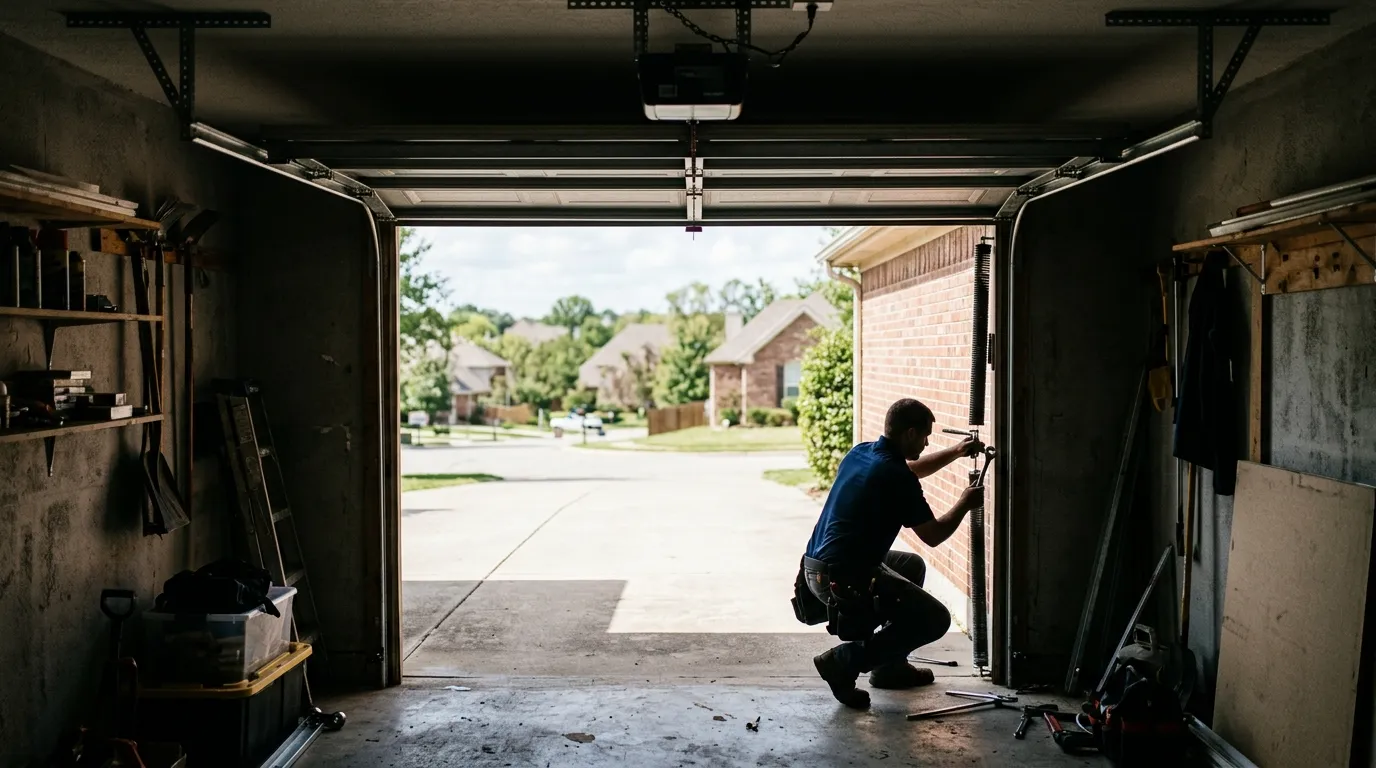
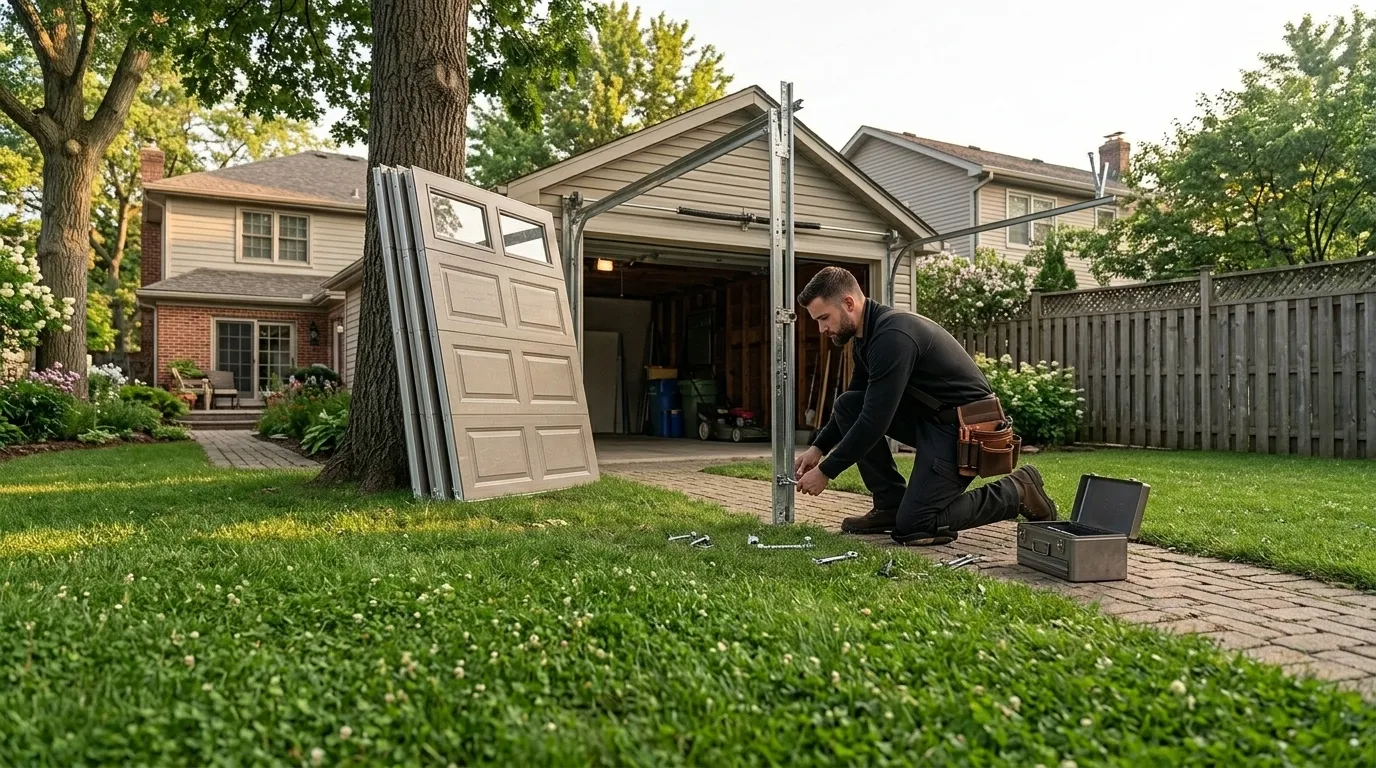
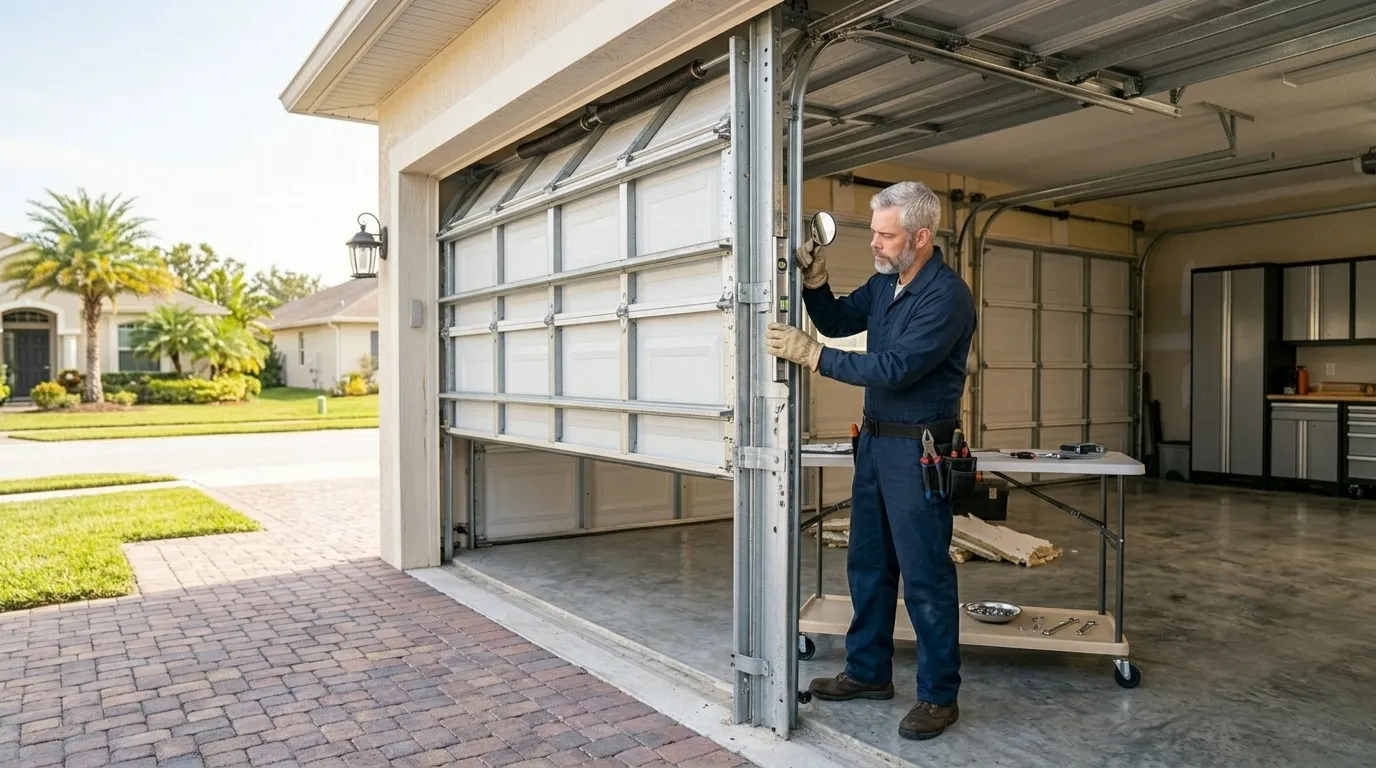
The complaint we hear most from this stretch of the service area is a door that opens fine but comes down uneven, or one that stalls a few inches off the ground and reverses. Both point to spring fatigue rather than the opener itself, and on a house built around 1973 - which is the median build year for homes here - that spring has likely never been replaced. Torsion springs are rated for a number of cycles, not years, but on an older one-piece or sectional door that's been used daily for five decades, the cycle count catches up regardless of when the house was built.
A second pattern is an opener that runs but the door barely moves - that's almost always the spring doing none of the lifting anymore, leaving the motor to fight the full weight of the door alone. That's a fast way to burn out a motor that was otherwise fine. We check spring tension before we ever touch the opener, because replacing a motor when the real problem is a dead spring just means a second call later.
Parts We Carry
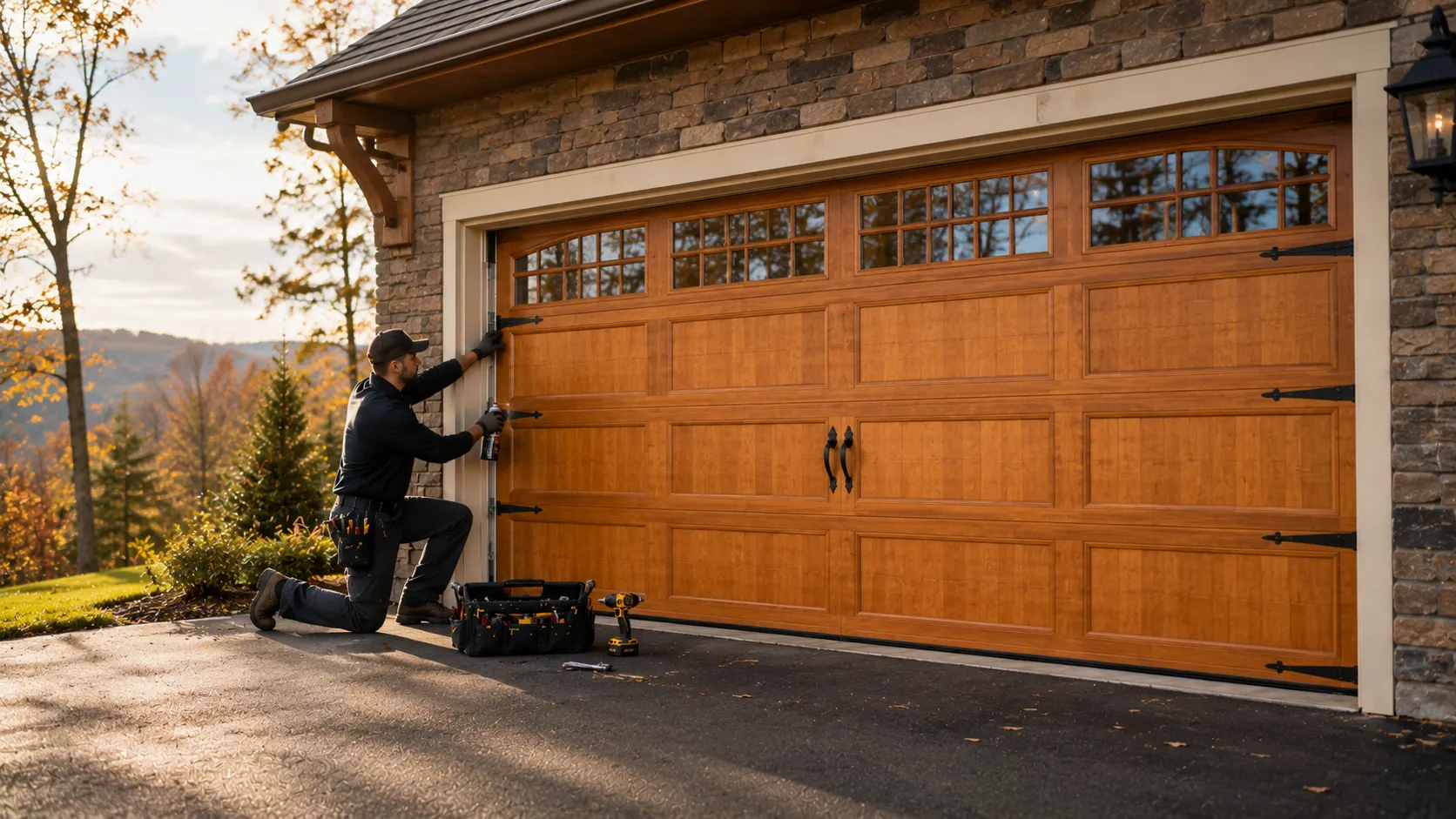
We carry standard torsion springs, extension springs, galvanized cable, nylon and steel rollers, and hinges sized for the sectional doors that make up most of the stock built in the 1973-to-2014 range across this area. Highland Park's homes lean toward the older end of that window, so we also carry the older-style bracket hardware that newer doors don't use - the kind that isn't stocked on every truck.
We stock common residential opener parts - drive gears, logic boards for a handful of major brands, safety sensors - but not every opener model has a same-day part. If yours is an older or less common brand, we may need to order a board, and we'll tell you that on the spot rather than promise a same-visit fix we can't deliver. That's the one honest limit here: common parts, we have on the truck; uncommon ones, we order.
The Complications
Highland Park's median household income, at over $250,000, is well above the roughly $97,039 median across the wider service area we cover from Duncanville. That doesn't change what breaks on a garage door, but it does change what people ask for - more homeowners here ask about upgrading to a quieter belt-drive opener or heavier-gauge door while we're already out for a repair, rather than sticking with a like-for-like fix. We'll quote that as a separate job, not fold it into the repair estimate.
With only around 3,249 households in this pocket, it's a small area, and that means less day-to-day wear on any one door from things like a large multi-family complex sharing a shared drive - this is single-family stock, used the way a single household uses a door, not a rental turnover pace. The complication we do run into is scheduling around that 14-mile stretch: if a same-day emergency call comes in from Highland Park after we've already routed trucks elsewhere for the day, the honest answer is next-day rather than same-day.
What Causes It Around Here
The area's homes were built between 1973 and 2014, with 1993 as the rough midpoint across the wider service area, but Highland Park's own median build year sits right at 1973 - meaning a larger share of doors here are on original or first-replacement hardware than in the newer pockets we cover. That's the single biggest driver of what we see: springs and cables that have simply outlived their rated cycles, on doors that were never bad doors to begin with.
The climate band here is moderate heat rather than extreme, so we're not dealing with the kind of thermal cycling that cracks panels or warps tracks the way you'd see in a harsher climate zone. Instead it's straightforward mechanical fatigue - metal parts doing their job for forty-plus years and finally giving out. That's a slower, quieter failure than what a bad-weather climate produces, which is part of why a door here often runs rough for months before it actually fails rather than failing all at once.