The Symptom
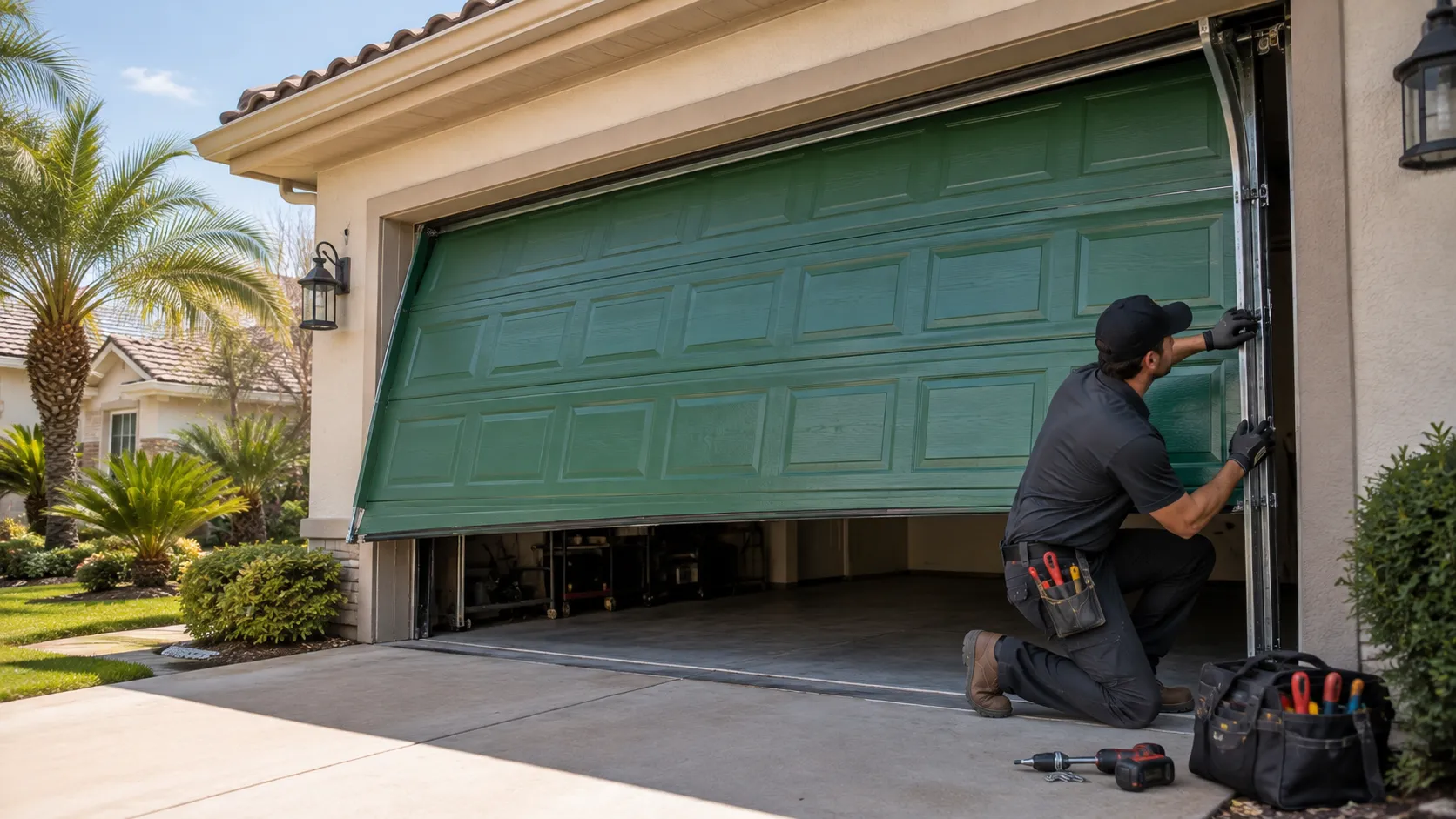
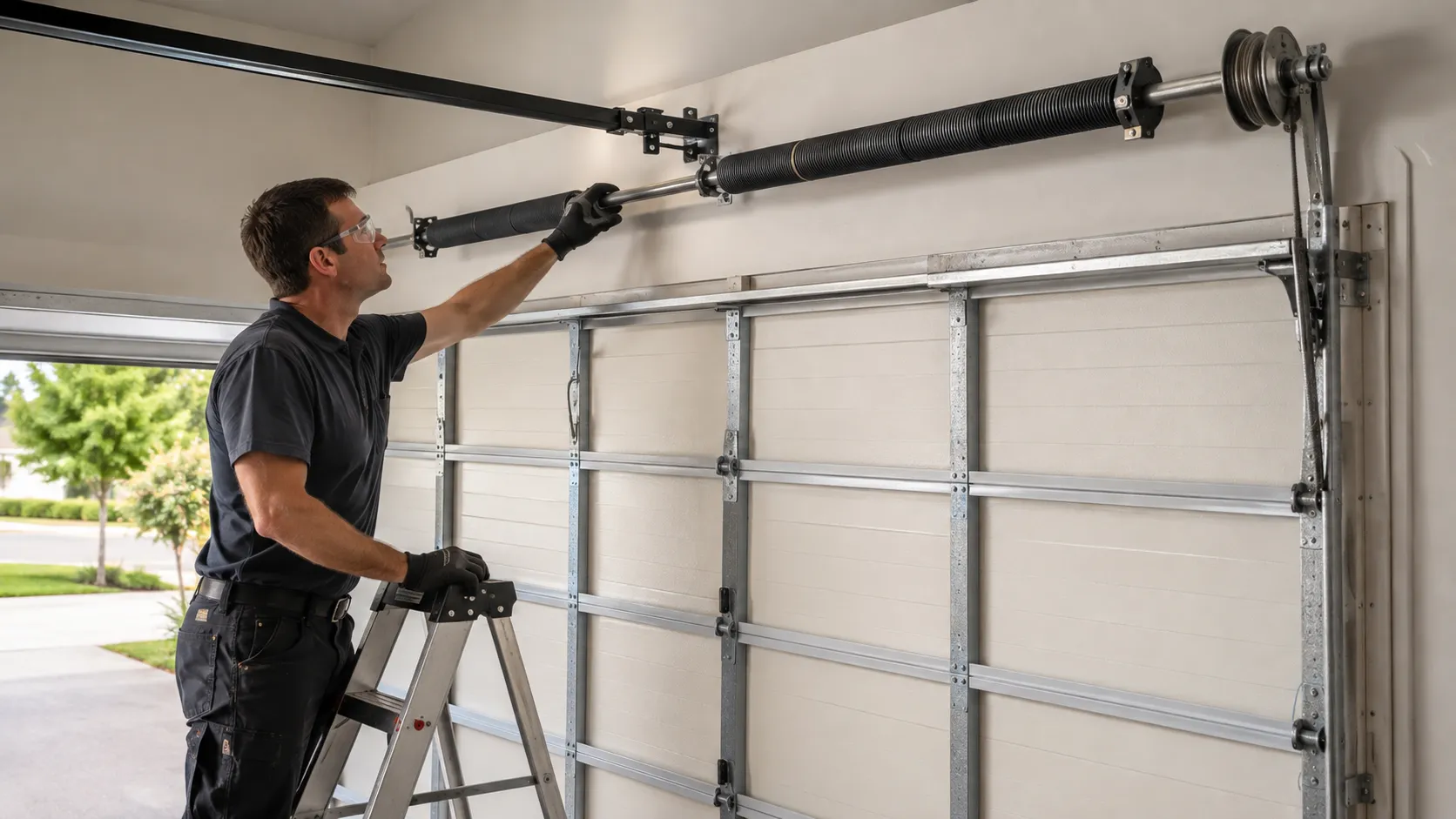
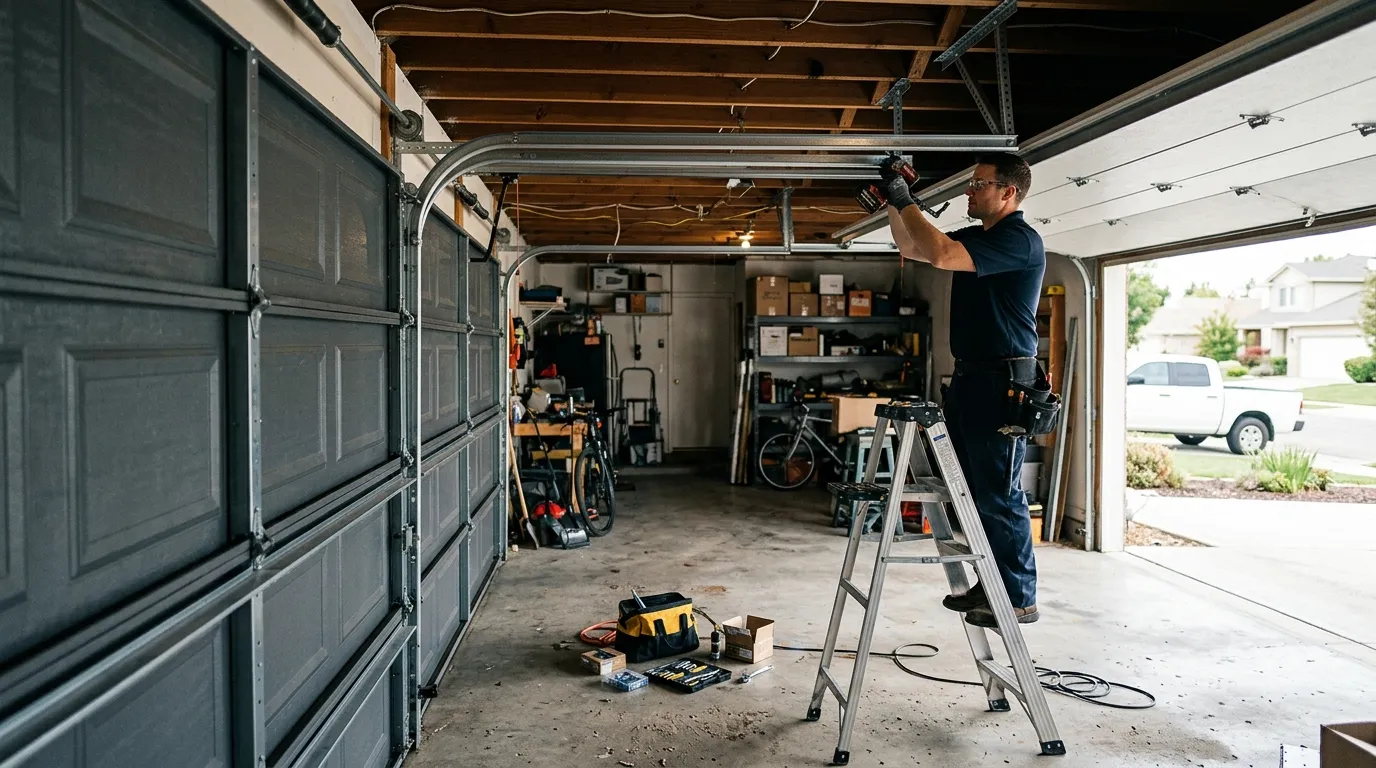
The call usually starts the same way: the door won't go up, or it went up and won't come down, or it's making a bang partway through the cycle and stopping cold. On older torsion setups like the ones common in Highland Park, a broken spring often shows up as a door that feels like it weighs three hundred pounds the moment you try to lift it by hand - because it does, once the spring's no longer carrying the load. If the opener is newer than the door itself, you might get a motor that hums and clicks but never moves the door, which usually points to the spring, not the opener.
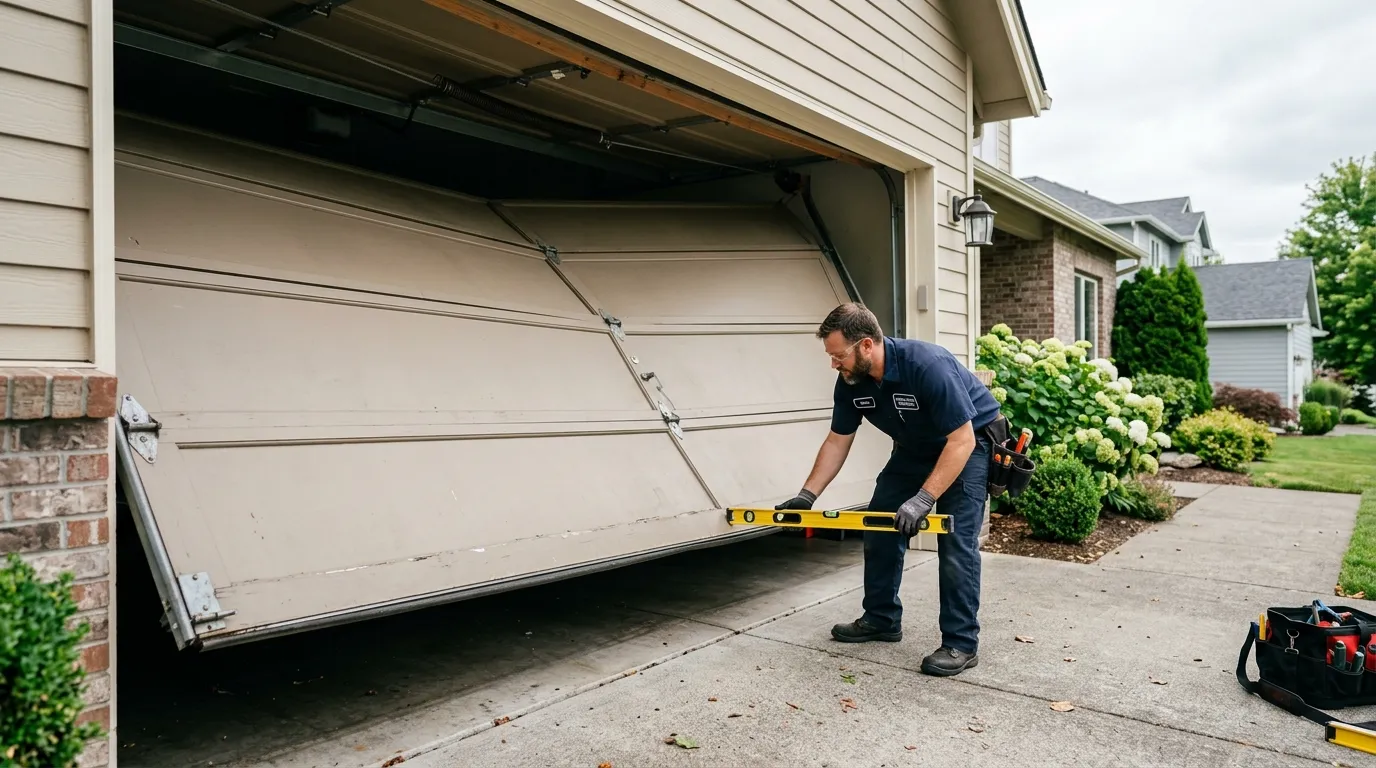
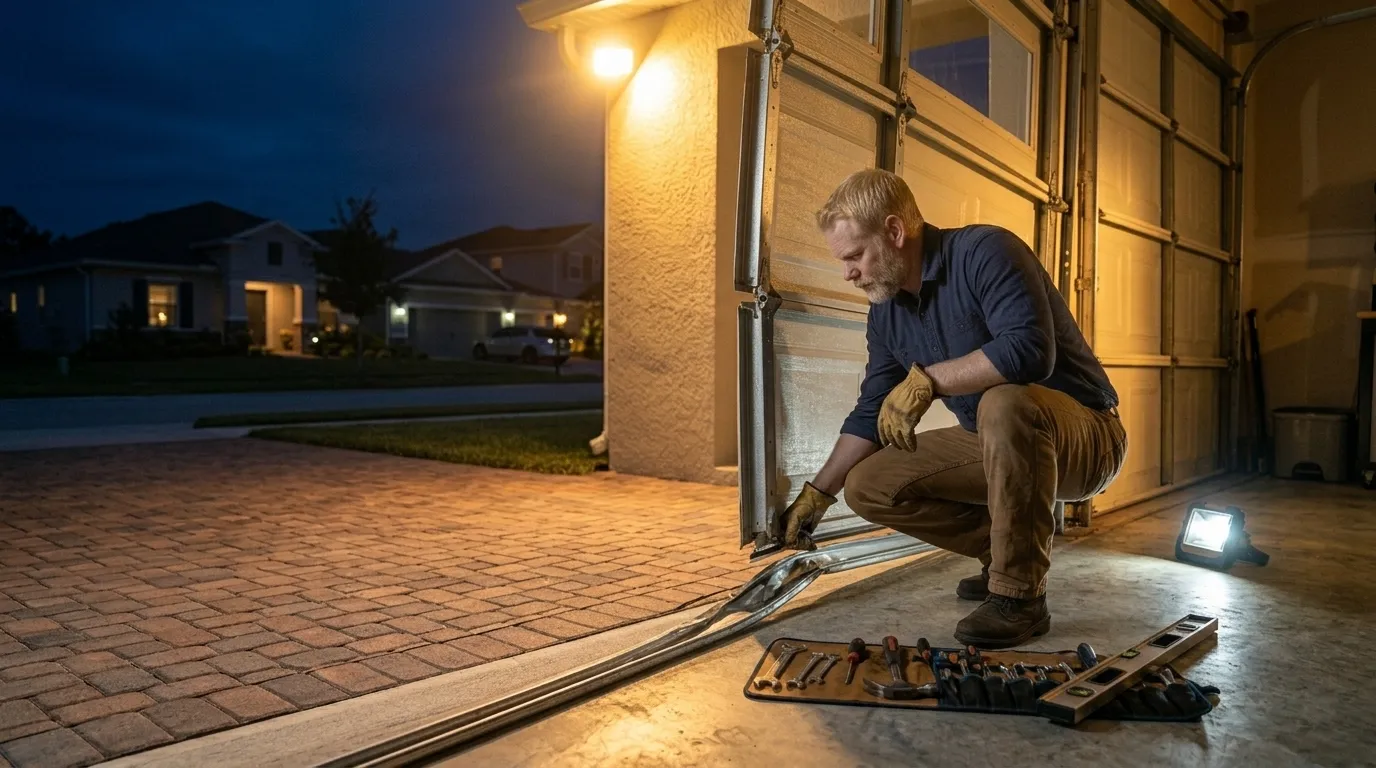
A cable failure looks different: one side of the door drops faster than the other, or it hangs crooked in the opening. That's not a job to force through with the opener still trying to run - it strains the track and the remaining cable further. Shutting off power at the wall switch and leaving the door where it sits is the right move until someone can look at it.
Parts We Carry
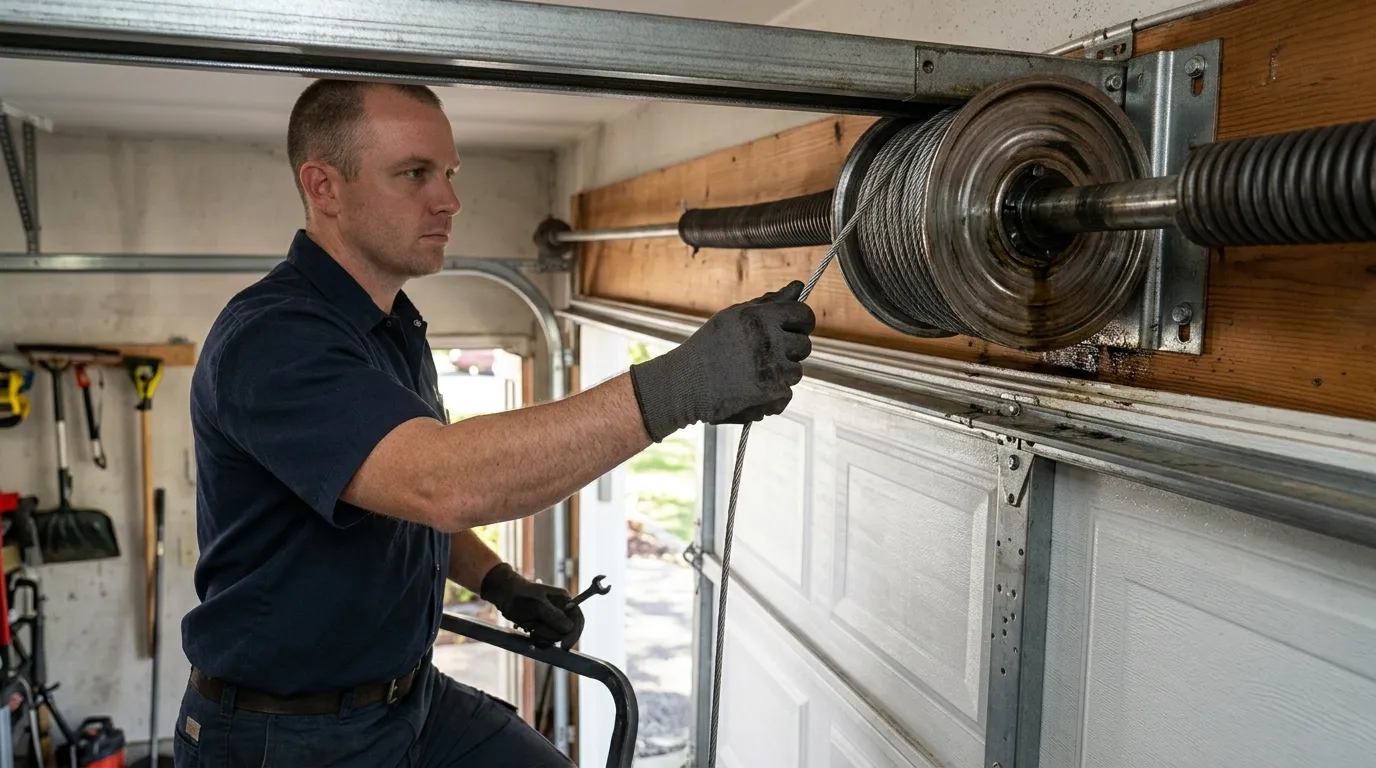
For doors from the early-to-mid 1970s we carry standard torsion and extension springs sized to the common weights and widths from that era, along with the drums, cables, and bearing plates that wear alongside them. Rollers and hinges get swapped as a set more often than not on doors this age, since the metal fatigues evenly rather than one piece at a time.
What we don't stock on the truck is anything proprietary to a specific manufacturer's opener from that period - older chain-drive units sometimes used gear kits or logic boards that aren't made anymore. If your opener falls into that category, we'll tell you on site rather than string out a repair on a part we can't get, and talk through whether a straightforward opener swap makes more sense than chasing an obsolete board.
The Complications
The biggest complication on a house built around 1973 isn't the spring itself - springs are simple, and we carry the standard sizes. It's what's attached to it. Fifty-year-old track can be bent from decades of minor misalignment, and end brackets on that vintage sometimes used lag screws into framing that's shifted slightly over the years. Replacing a spring on hardware like that sometimes means we find a second problem once the door's actually moving under tension again.
High summer heat in this area (a moderate heat climate band, not the extremes some regions see) does add its own wear pattern - nylon rollers and plastic idler bearings degrade faster with repeated thermal cycling than steel parts do, so a spring call sometimes turns up a roller that's about to go too. We'll flag it rather than replace it without asking, since it's an add-on cost you should approve first.
What Causes It Around Here
Age is the main driver. With most Highland Park houses dating to 1973, springs that were rated for a 10,000-to-15,000-cycle lifespan have had four to five decades to work through that count, even on a door that only opens twice a day. Torsion springs fail in one clean break; extension springs, common on some of the older single-car doors, tend to stretch and sag before they finally snap.
Household income in this area runs high relative to the wider service area, and what we see in practice is that homeowners here are more likely to ask for a full hardware refresh - spring, cable, drums, rollers - rather than a single-part patch, since the original assembly is old enough that replacing one piece just moves the next failure a few months down the road. That's a call worth making with your budget in mind, not ours.