The Symptom
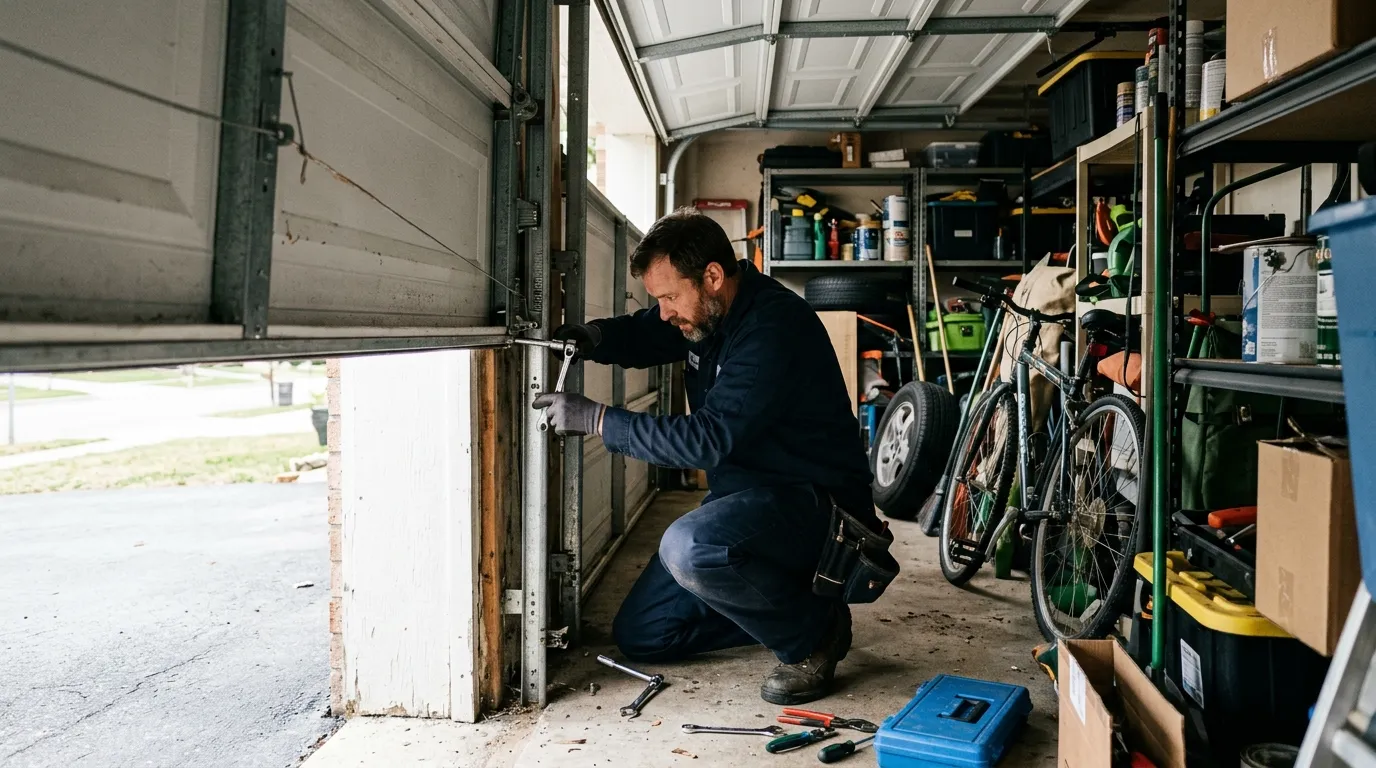
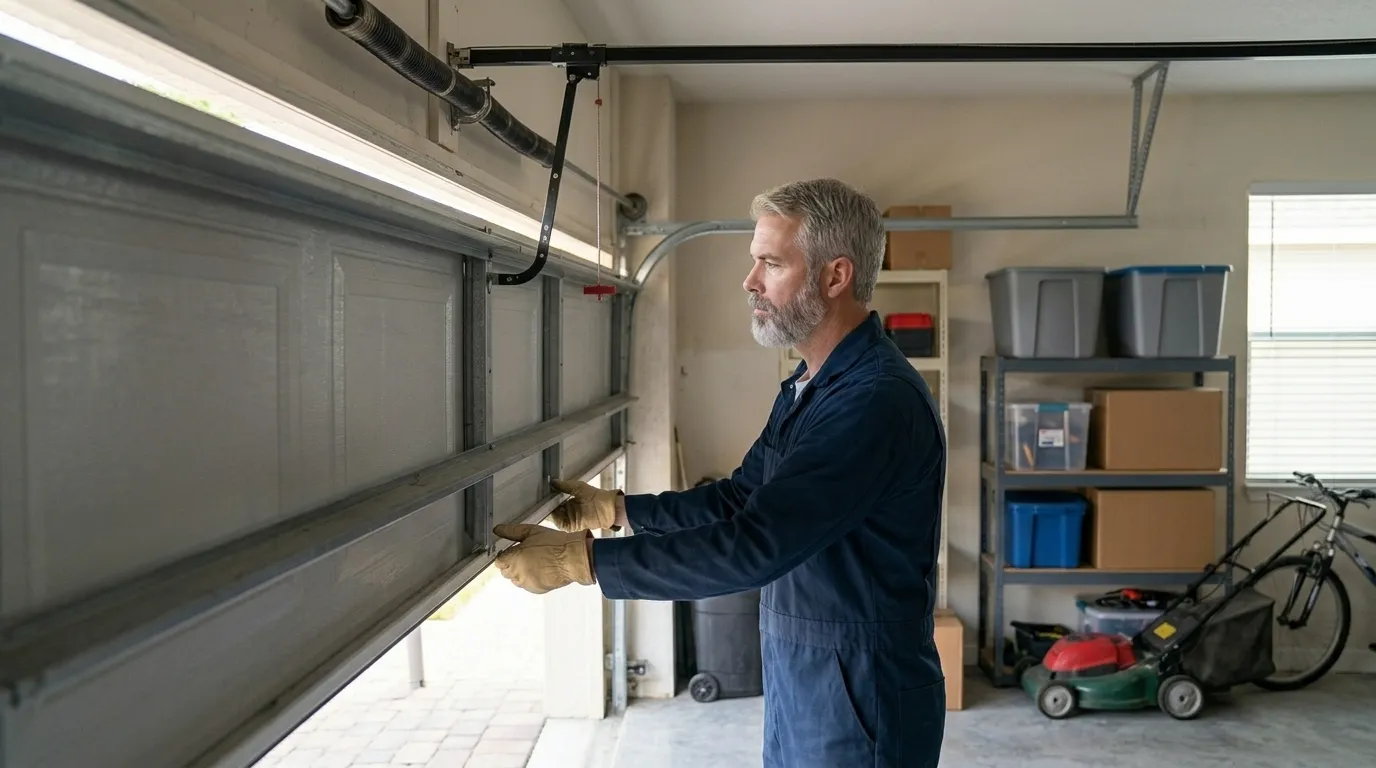
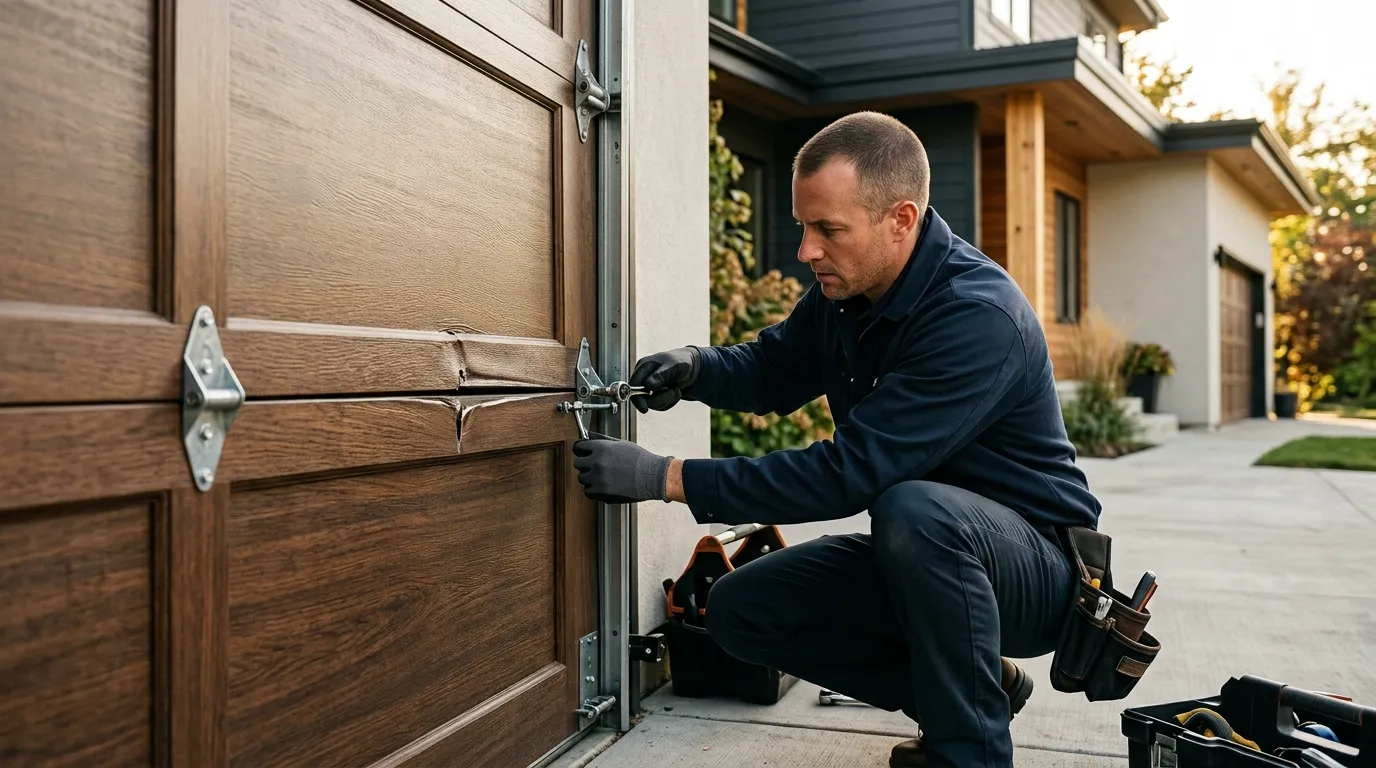
The tell isn't always a door that won't open. More often it's a door that opens fine but sounds wrong doing it - a low groan from the spring side, a shudder partway up, or an opener that runs longer than it used to before the door catches. On houses from the early 1970s, that's usually the torsion spring finally losing tension after decades of cycles, not a broken cable yet. Some owners also notice the door sitting slightly crooked in the frame, which on original 1970s framing often points to a track that's shifted rather than anything wrong with the door panel itself.
With only 3,249 households in this suburb, we don't have a large sample of identical failures to point to, but the pattern across houses this old is consistent: hardware wears out roughly together, so a new opener bolted onto a 50-year-old track and drum rarely holds for long. That's the case for tackling the whole assembly at once instead of chasing one part.
Parts We Carry
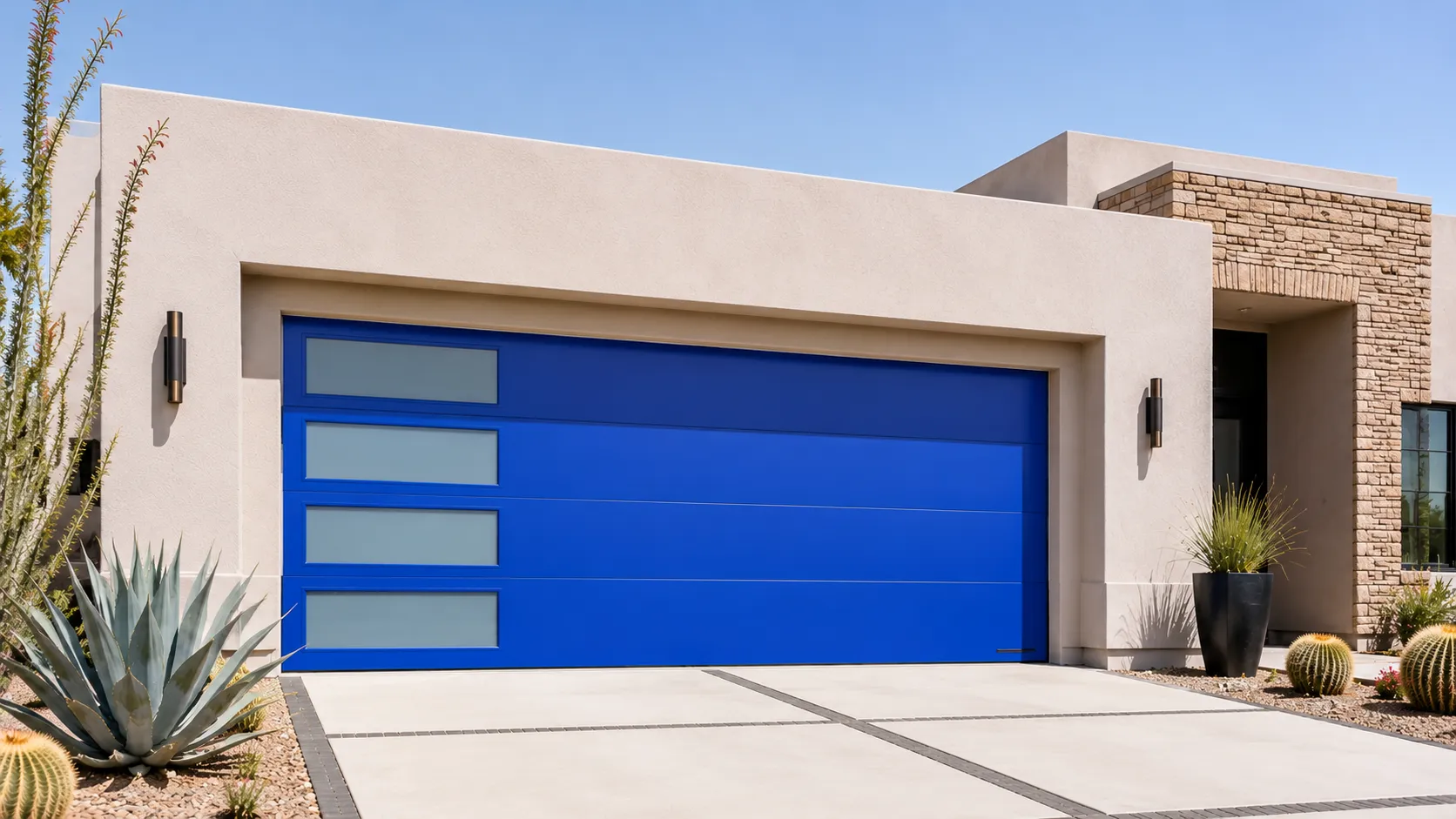
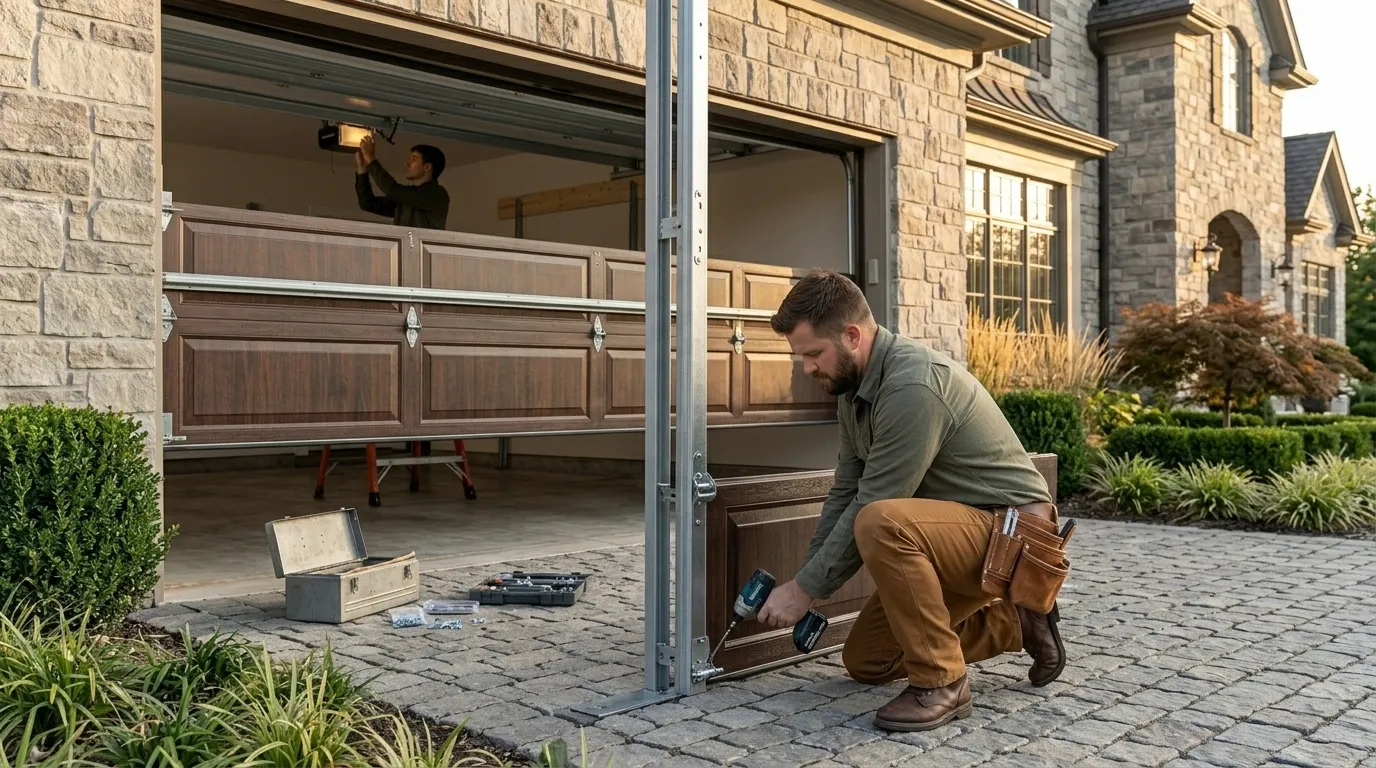
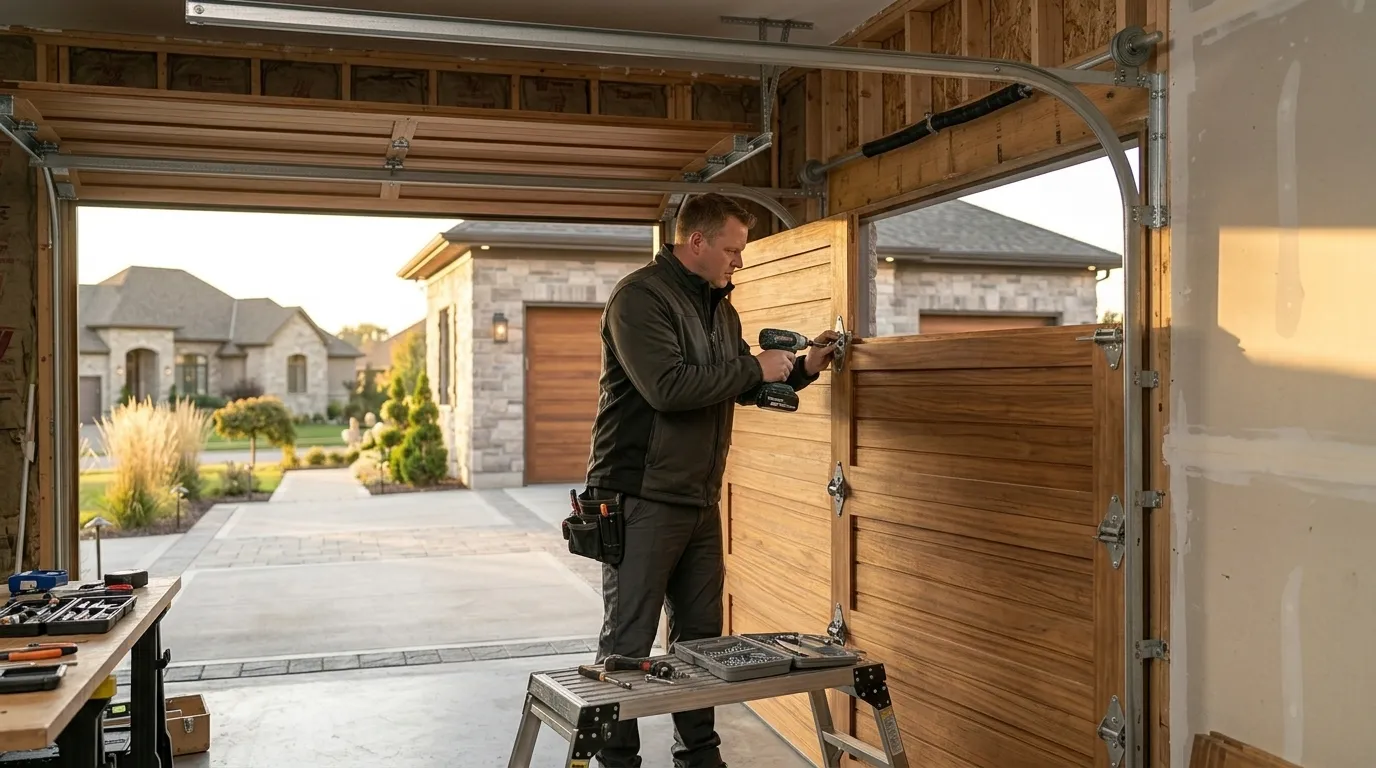
For a full install we bring sectional steel and insulated steel doors in standard widths, torsion springs sized to the door's weight, galvanized track, and belt-drive and chain-drive openers. We size the spring and track on site rather than guessing off a spec sheet, since houses built in the 1970s through the 1990s across this area were not built to one uniform opening width.
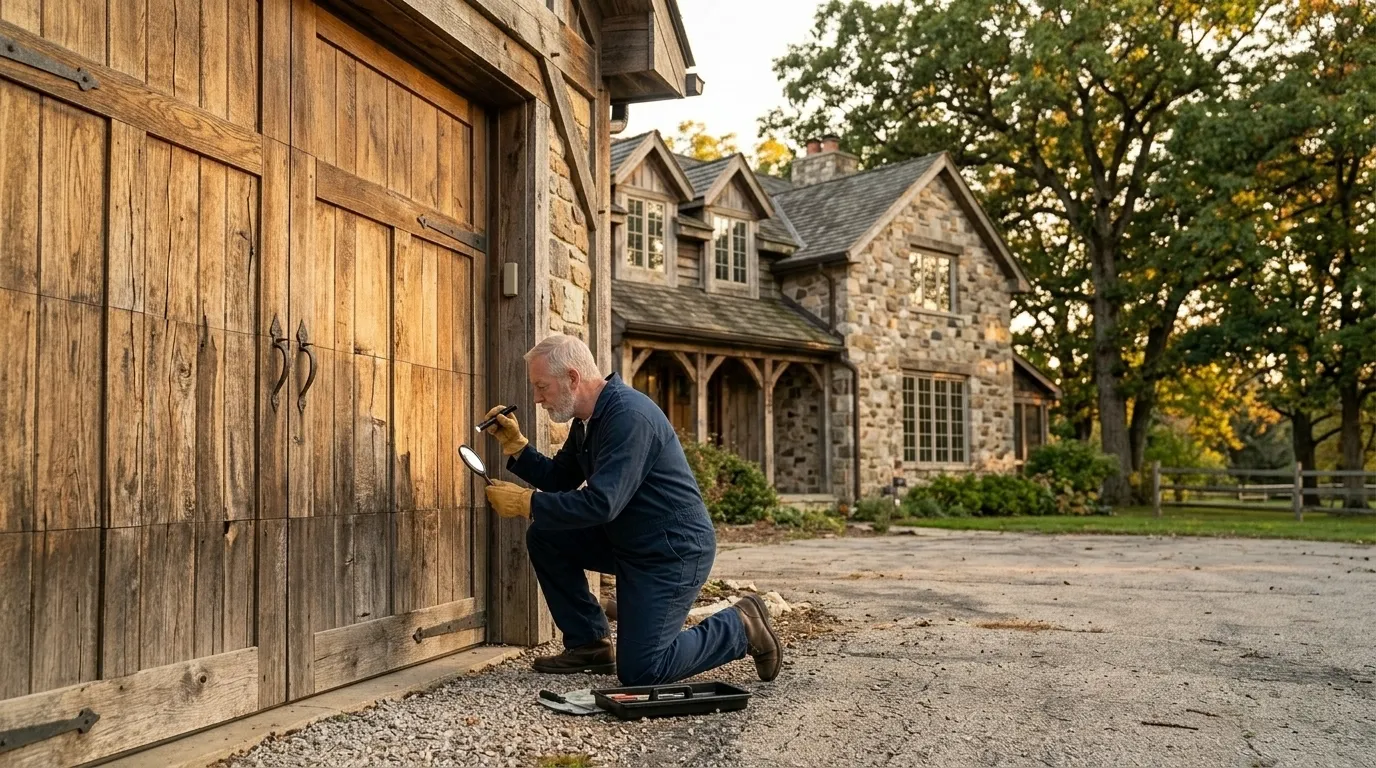
What we don't stock on the truck is anything custom-milled - a non-standard opening or a specialty wood-look door with a long lead time has to be special-ordered, and that adds days to the timeline. We'll tell you that up front rather than promise a same-week install we can't deliver on a special order.
The Complications
The biggest wrinkle on older Highland Park homes is the rough opening itself. Doors from the 1973 era were sometimes framed to sizes that don't match today's standard 8, 9, or 16-foot widths, which means a stock door doesn't always drop in clean. When that happens, either the opening gets built out to fit a standard door, or we order a custom width - both options change the price and the schedule.
The other complication is electrical. A new opener needs a dedicated outlet near the header, and older garages weren't always wired with one there. If that's missing, it's a separate trip for an electrician before we can finish the opener install - we don't do that wiring ourselves. We'll flag it during the walkthrough so it's not a surprise on install day.
What Causes It Around Here
Moderate heat is the main environmental factor across this part of the service area, and it's steady wear rather than sudden failure - repeated expansion and contraction on steel track and hardware over decades, which is exactly the kind of fatigue you'd expect on a door original to a 1973 build. There's no severe freeze cycle or coastal salt air doing damage here, so when an original door and opener are failing in Highland Park, it's almost always straightforward age, not a climate event.
Given the income level and the age of the housing stock, the other driver we see is simply that owners here are more willing to replace on the first sign of trouble than patch and wait. That's a reasonable call on a door pushing fifty years old - by that point the springs, the seals, and often the opener motor are all near the end of their working life at the same time.