What the Fix Involves
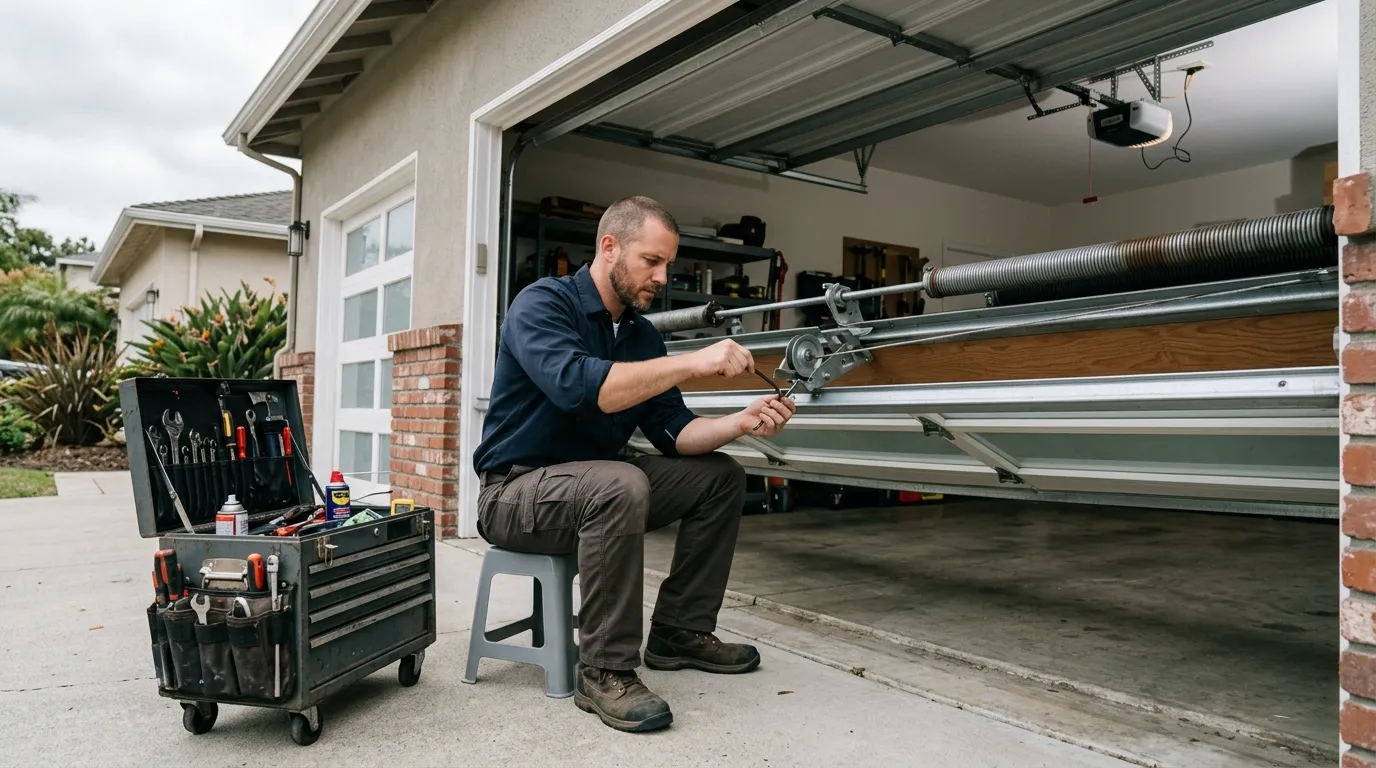
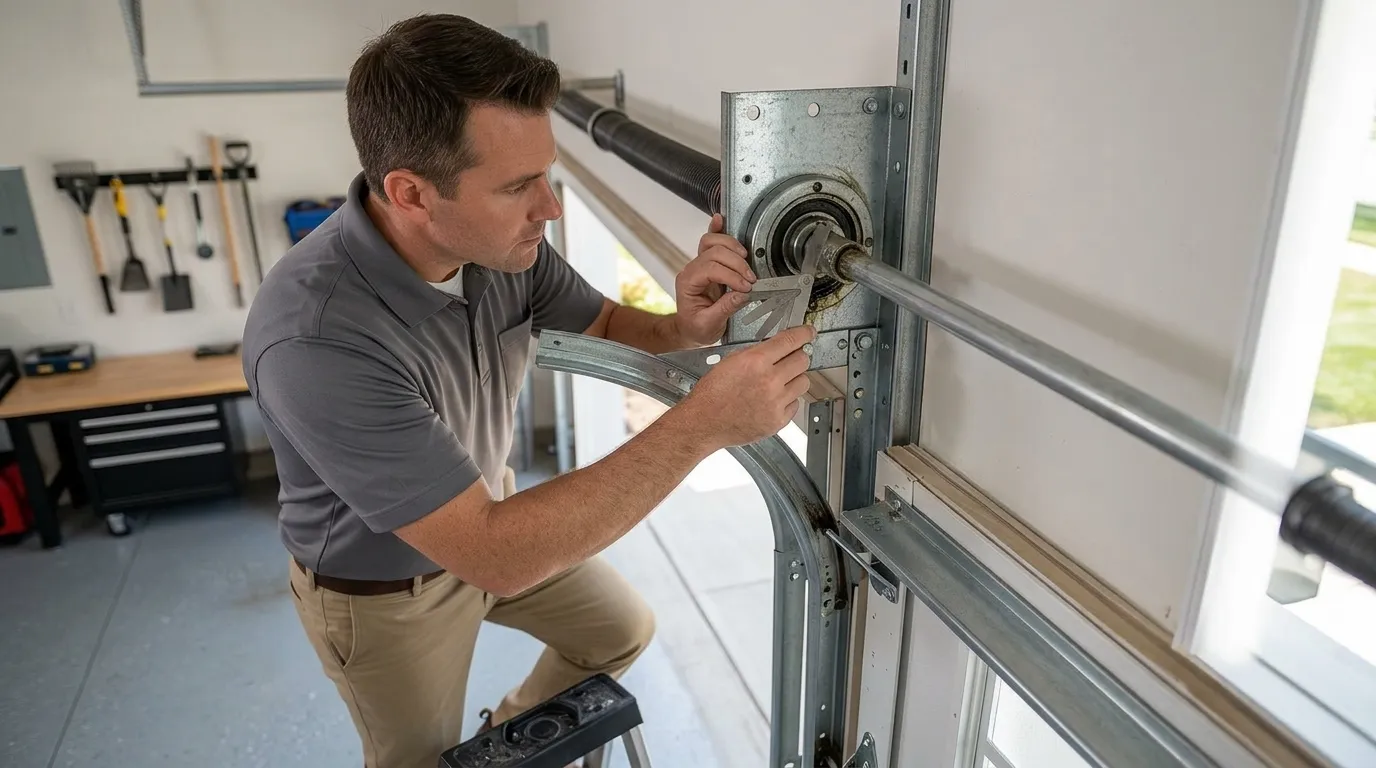
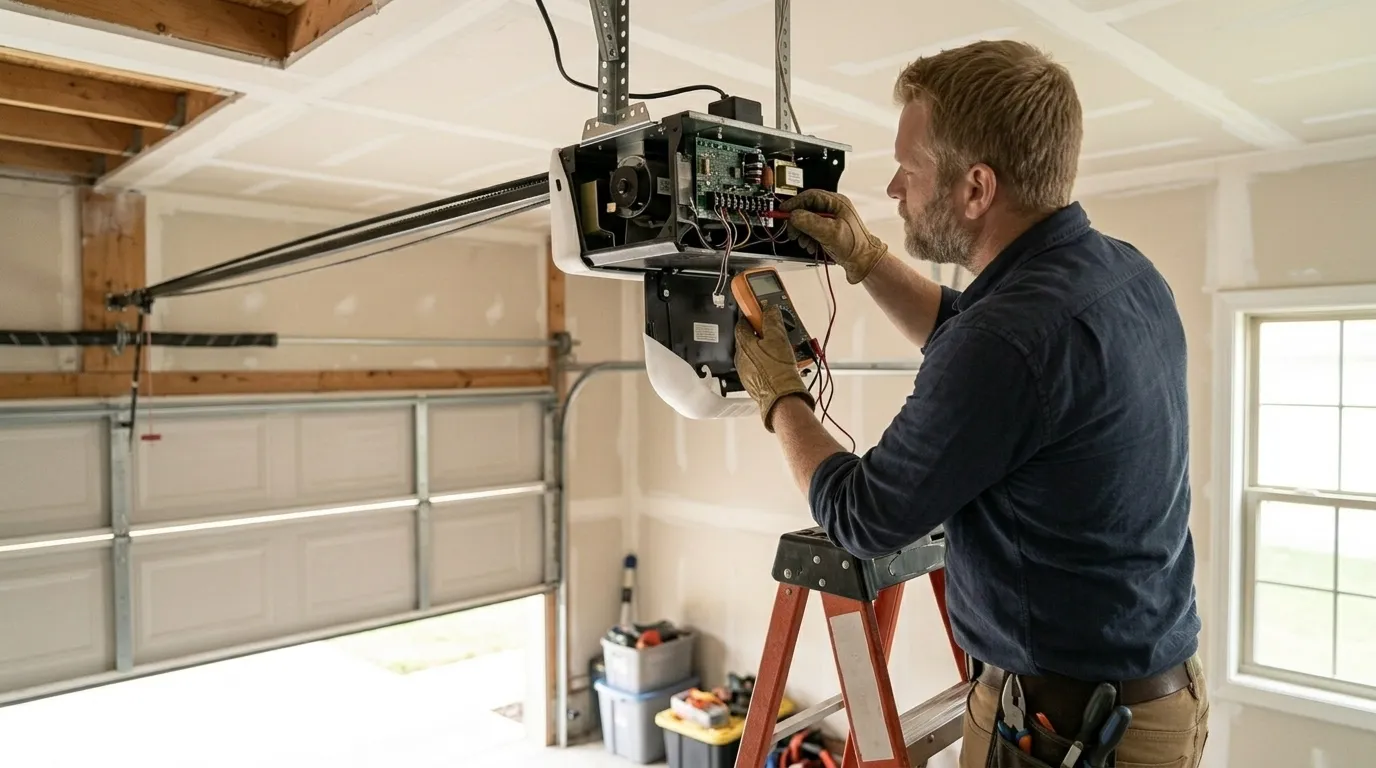
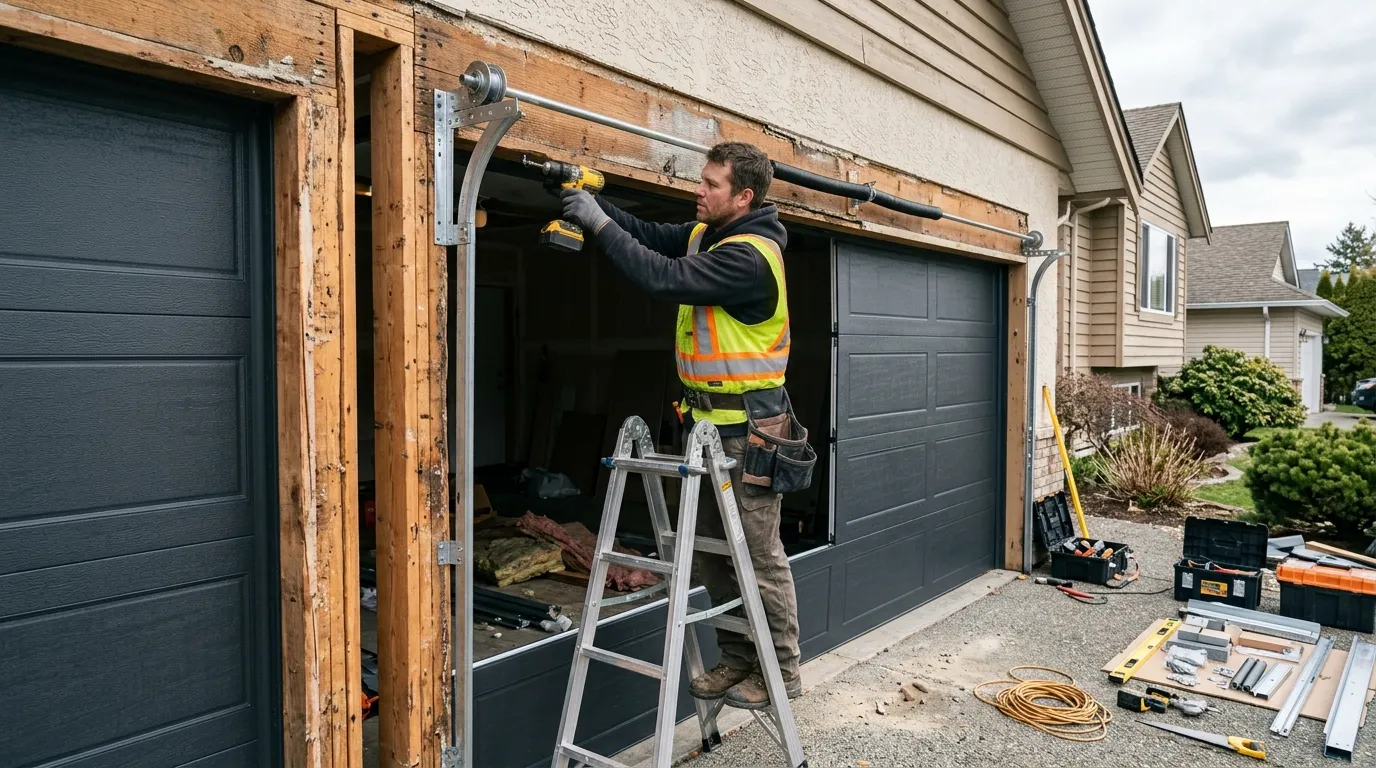
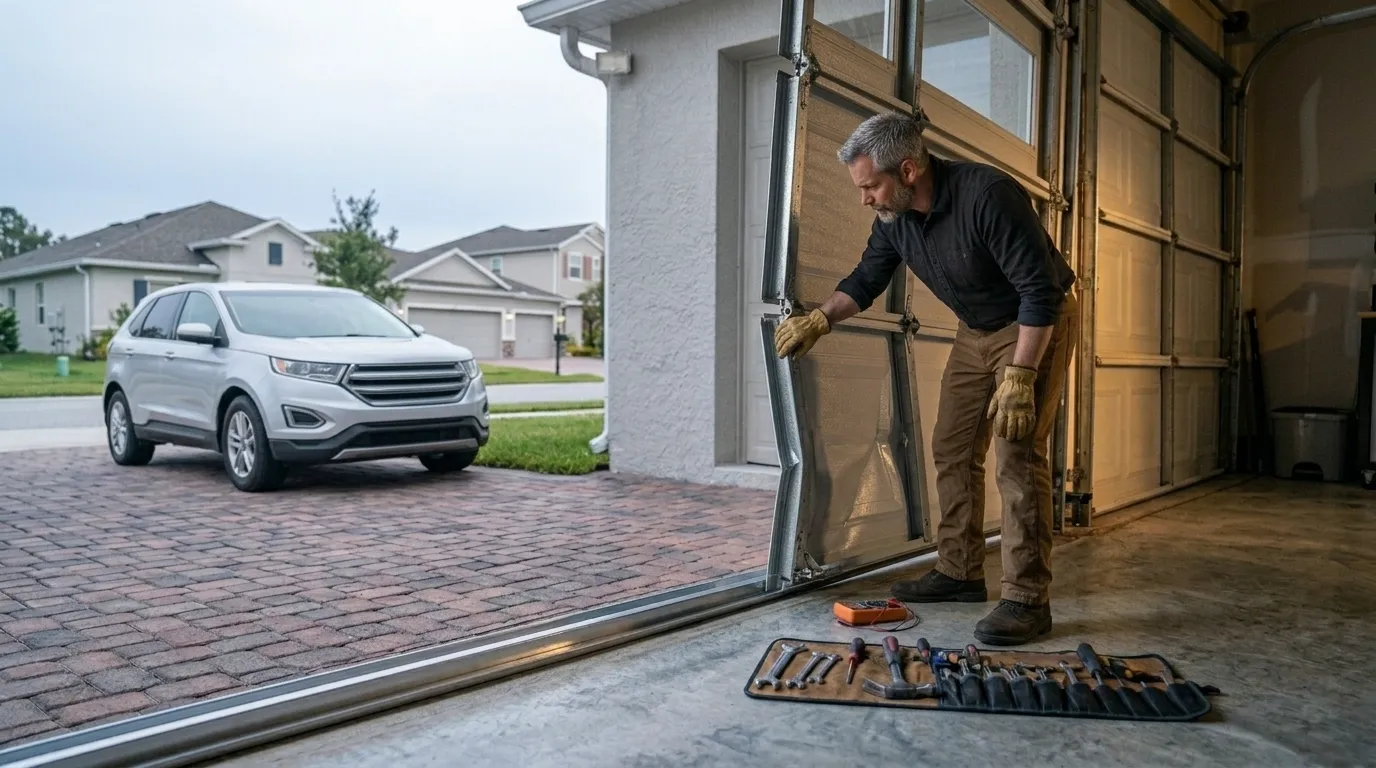
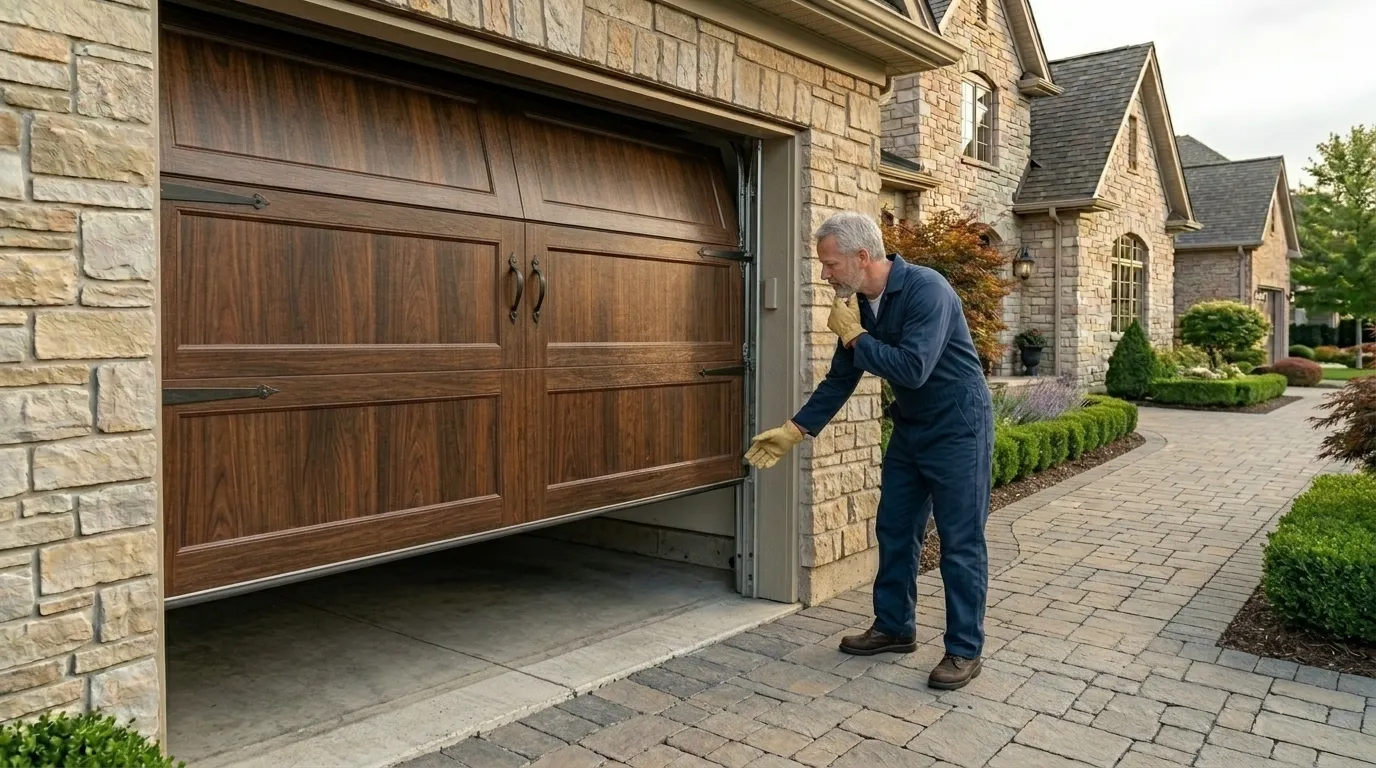
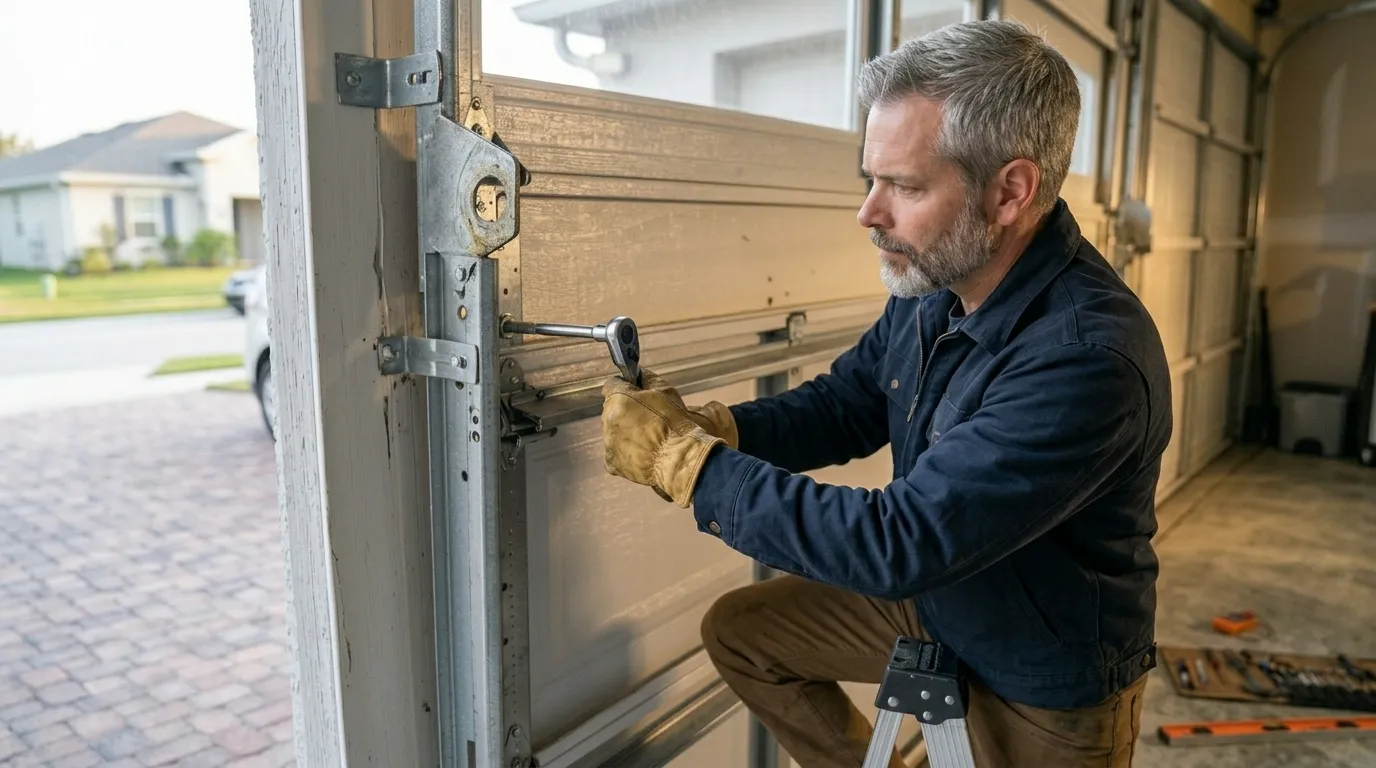
For a broken torsion spring, the job is winding down and removing the old spring (or springs - many doors from this era run two), matching the new spring to the door's actual weight and drum size, then winding it to the right tension and testing the balance. Balance is the part people skip when they try to save money on off-the-shelf parts - a spring that's close but not matched to the door leaves the opener straining, which burns out gears and circuit boards early. We also check the cables, the bearing plates, and the center bracket while we're up there, since a spring failure at this age often isn't happening alone. If the drums or bearings are worn from the same thirty years of use, we'll tell you and price it separately rather than bundling in work you didn't ask for.
Doing It Yourself
We'll say it plainly: a torsion spring is wound under enough tension to break bones or worse if it lets go while you're working on it, and it's not a job for a Saturday afternoon and a socket set. Extension springs on the side rails are a different story - lower tension, and a careful, informed homeowner can sometimes handle those. But torsion is the far more common setup on doors from Farmers Branch's era, and that's the one we tell people to leave alone. If you're set on doing something yourself, checking cable fraying, lubricating rollers and hinges, and testing the auto-reverse safety feature are all reasonable and safe.
How to Book
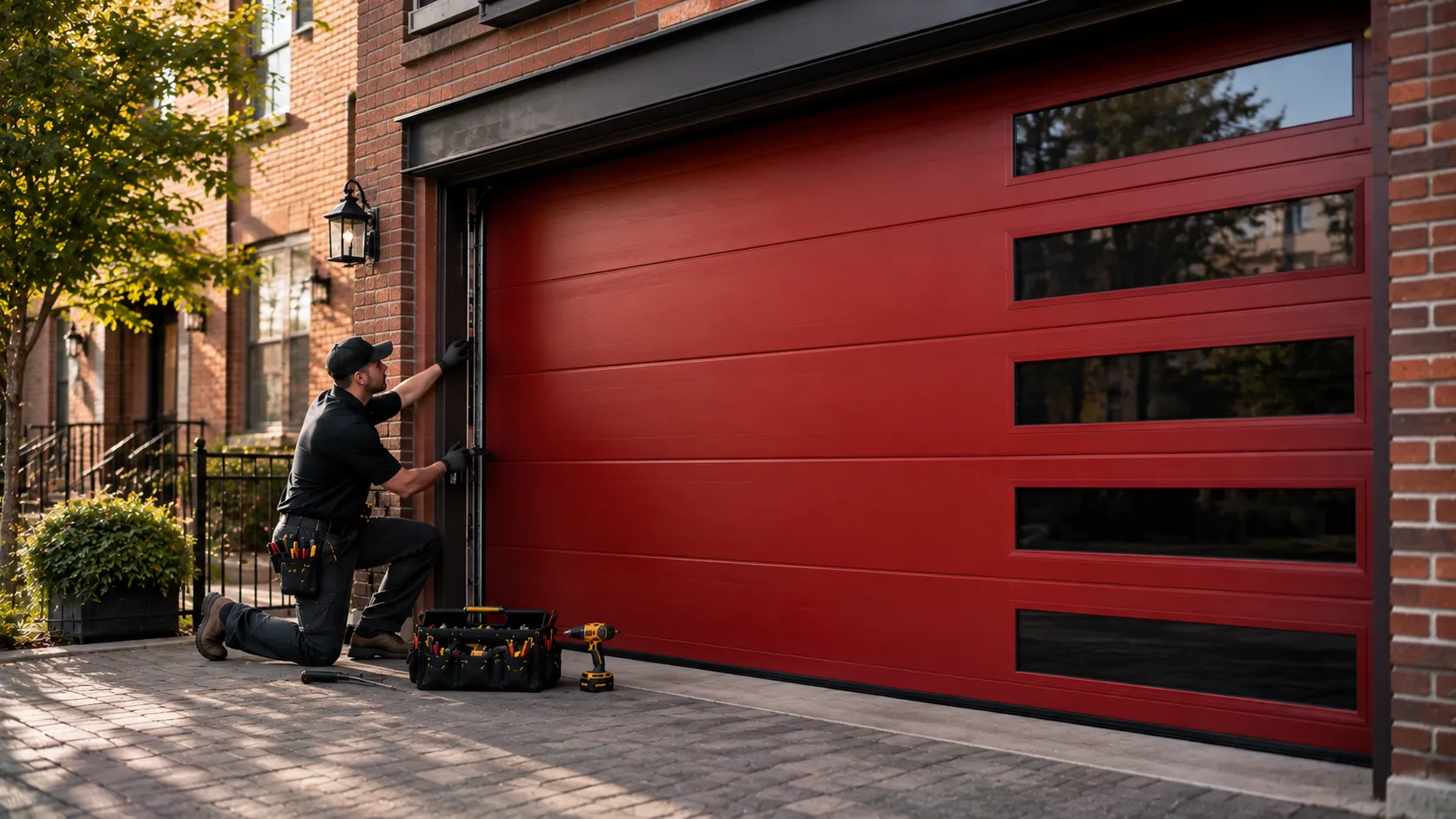
Duncanville Garage Door Pros covers Farmers Branch from our Duncanville base, about 20 miles out, so a call here gets scheduled rather than walked into same-hour. Tell us the door's size, whether it's one spring or two, and roughly how old the door is, and we'll bring the right spring stock the first trip. You can see the areas we run out to on our coverage page, and if you want the fuller rundown on how we handle spring repair generally, that's on our Duncanville spring repair page.