Parts We Carry
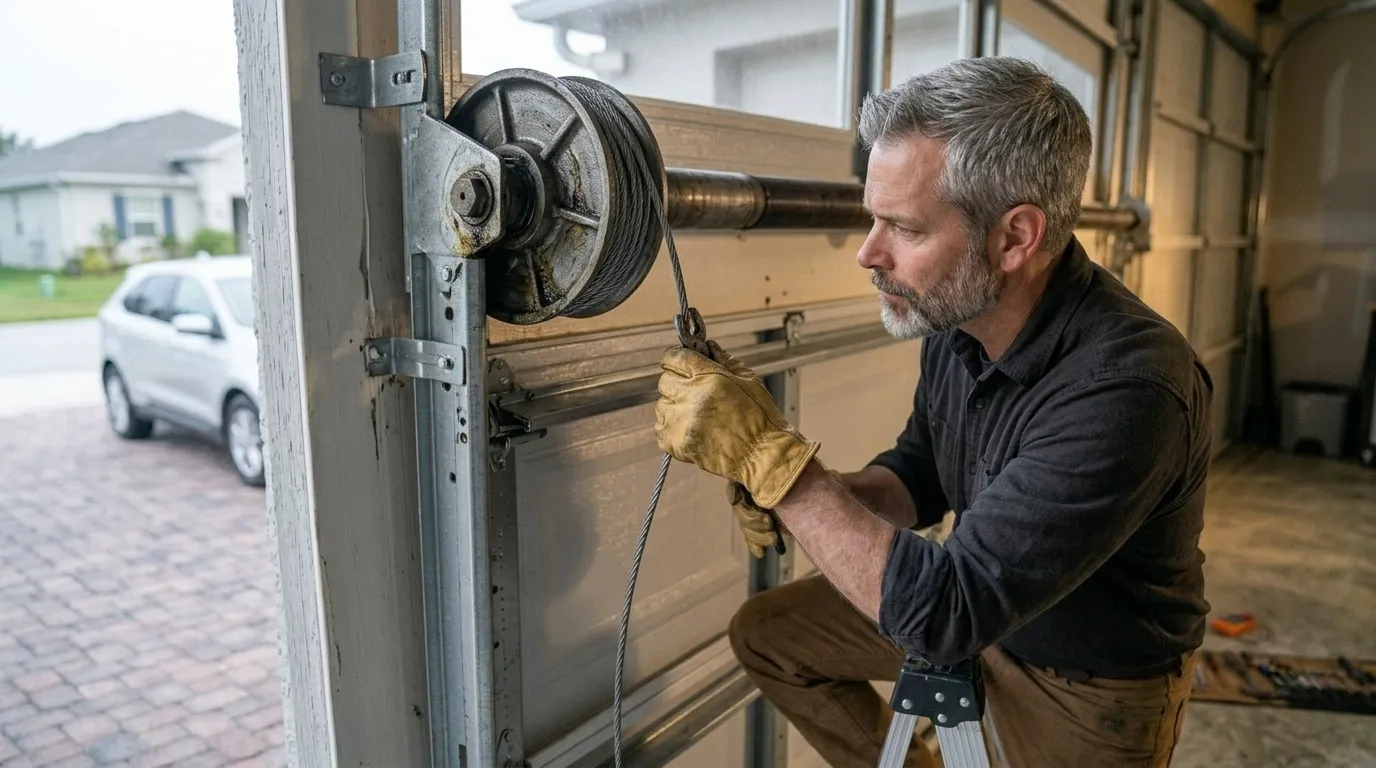
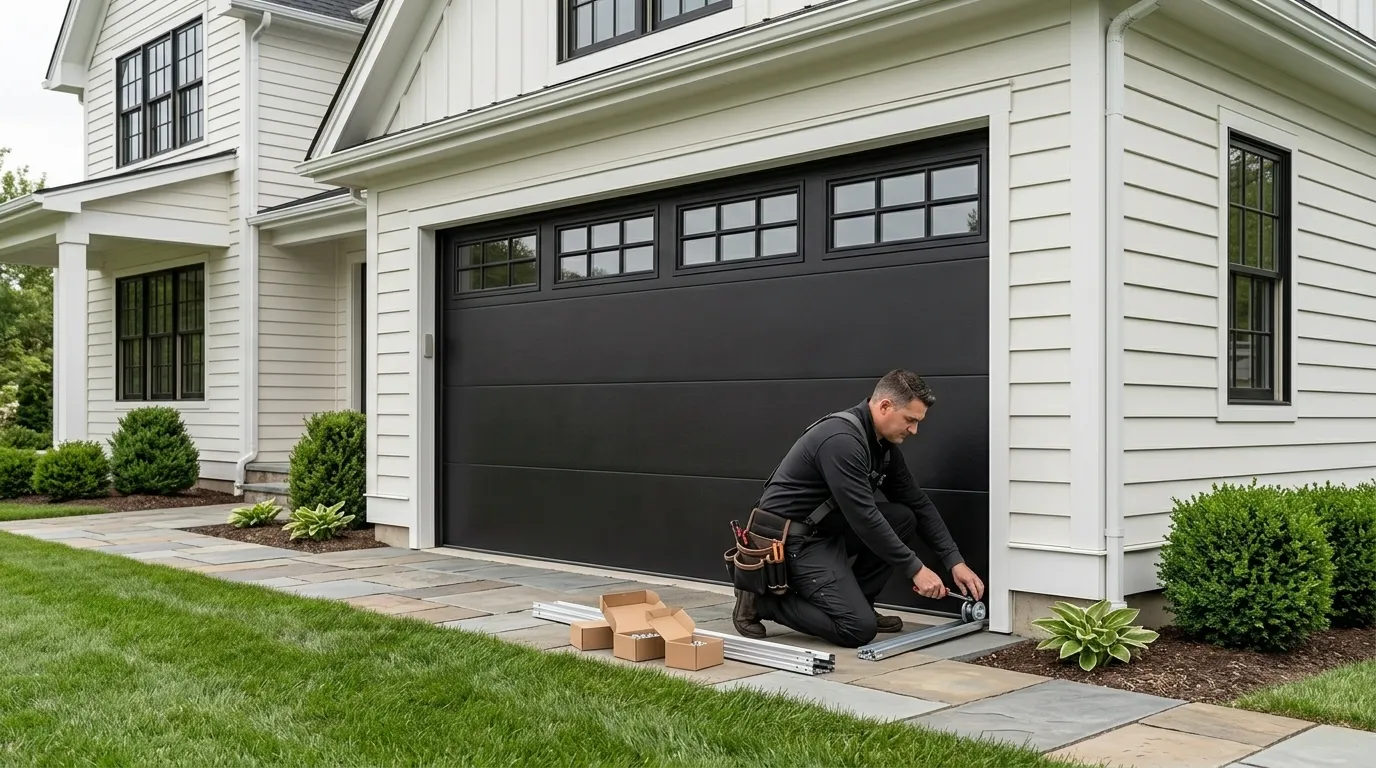
For a build era centered on 1987, the common failure points are torsion springs on double doors, extension springs on single-car openings that were never upgraded, and steel rollers that have gone out of round after decades of use. We carry standard torsion and extension spring sets sized for the door widths typical of that period, plus nylon rollers as a quieter upgrade over the original steel ones.
Openers from that same window are usually chain-drive units, and a lot of them are on their original logic board or have been swapped once already for a like-for-like replacement. We stock drive gears, sprockets, and safety sensor kits that fit the chain-drive units most common on houses built through the late '80s and early '90s.
One honest limit: if a door needs a full panel replacement and the original manufacturer no longer makes that profile - which happens more often the older the door gets - we don't try to force a mismatched panel onto it. At that point we'll tell you replacement makes more sense than a patch, and we'll say so before we start any work, not after.
What the Fix Involves
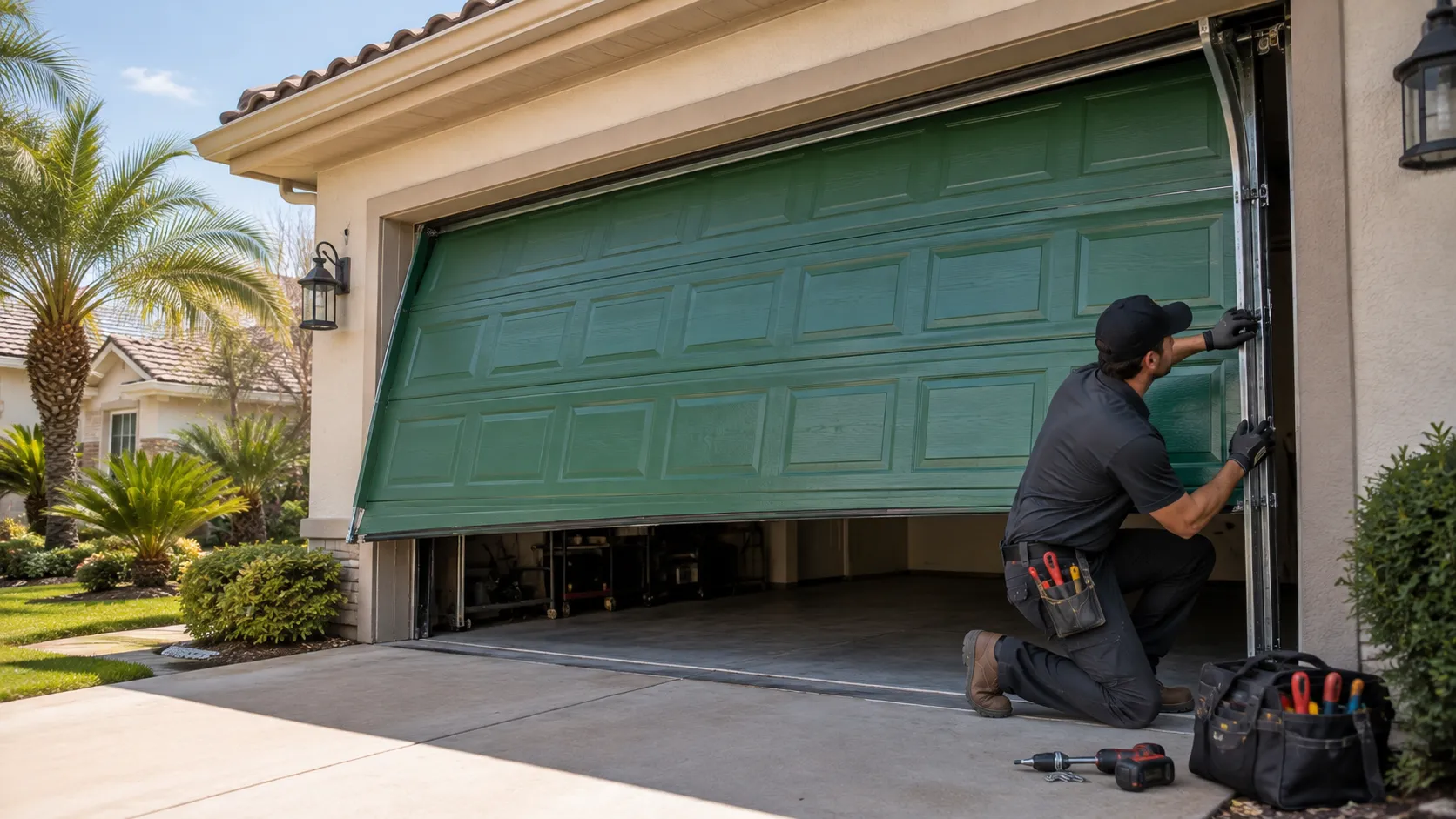
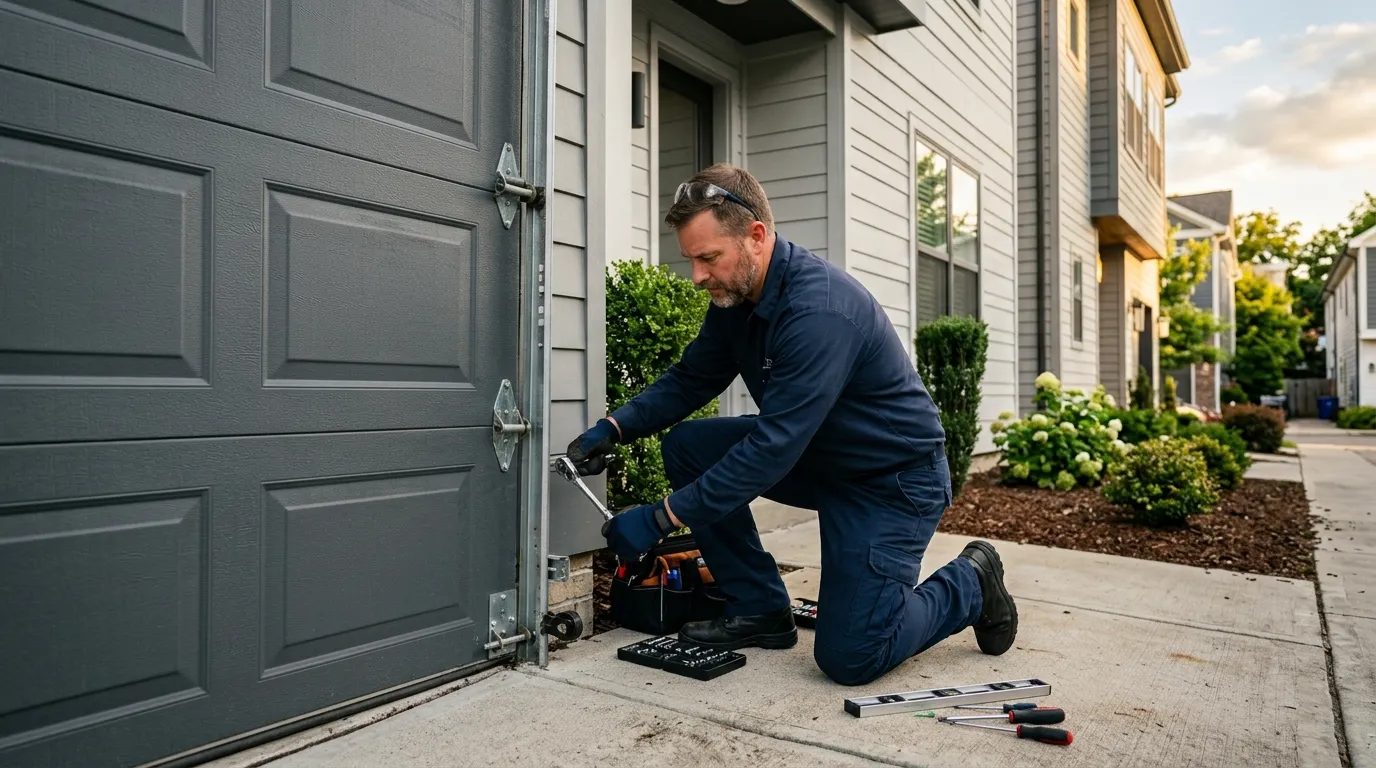
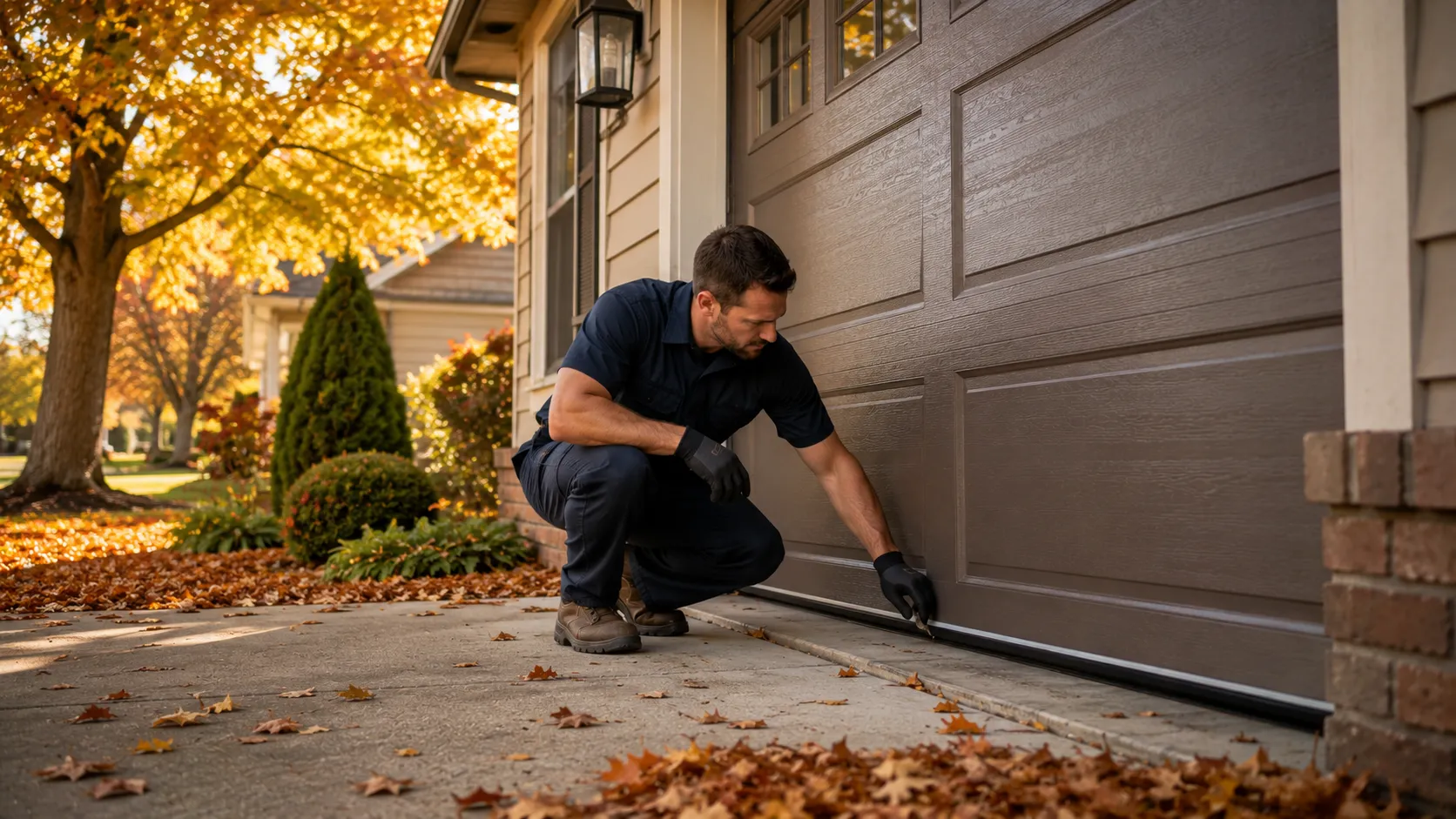
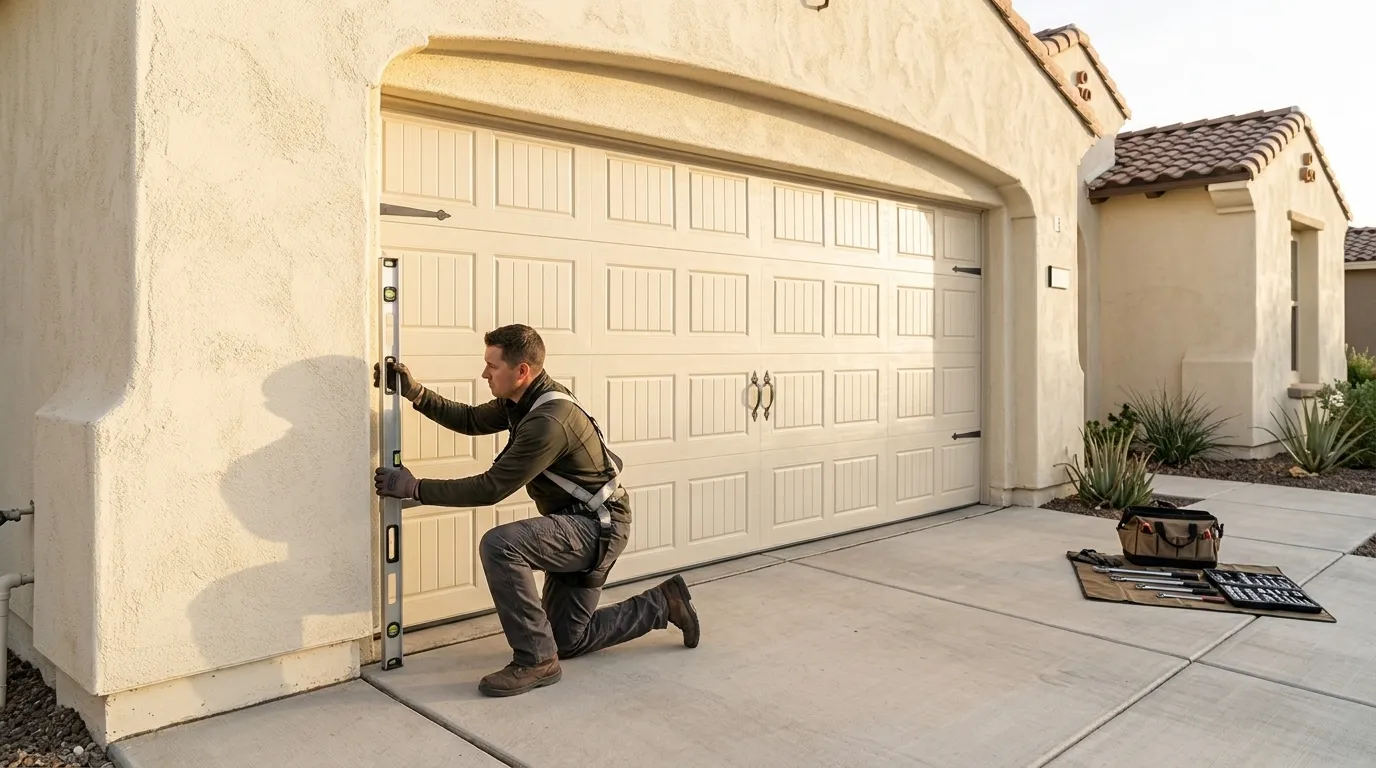
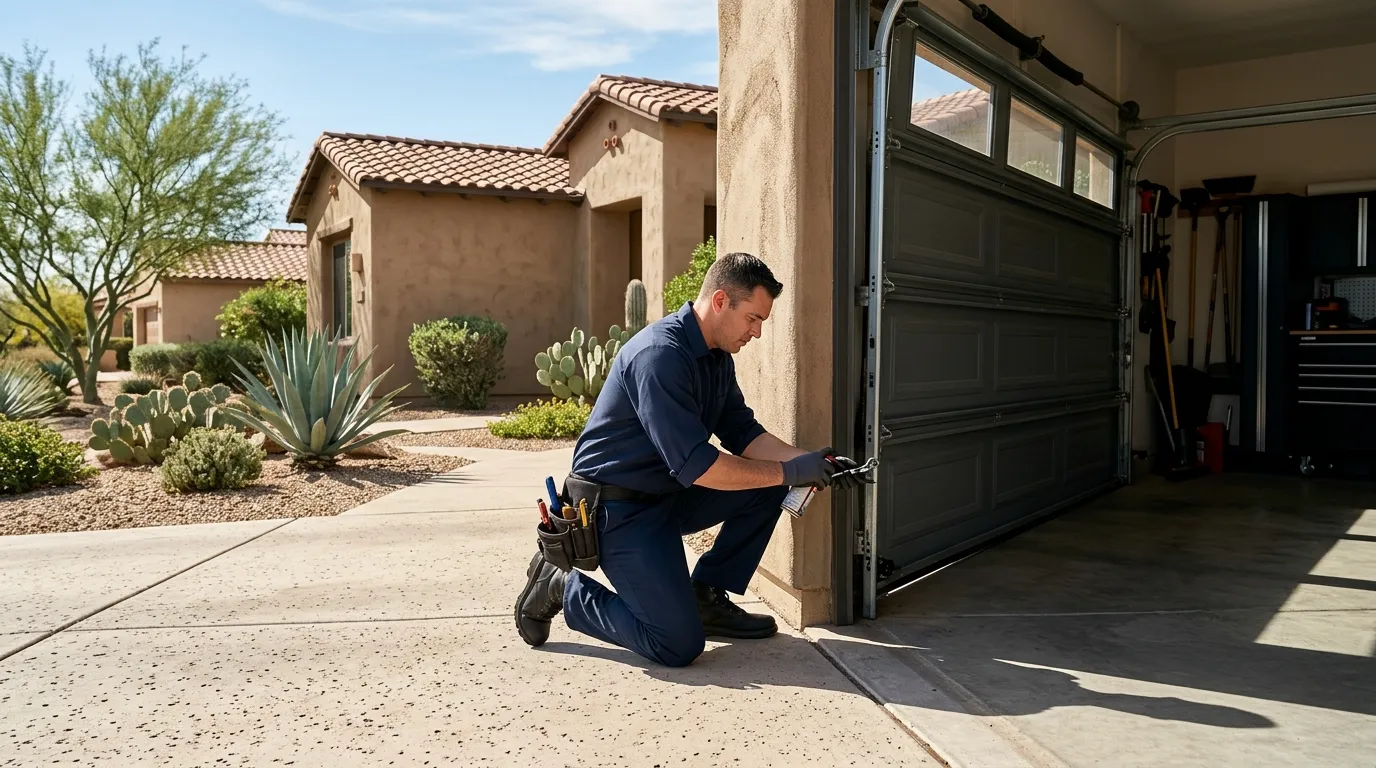
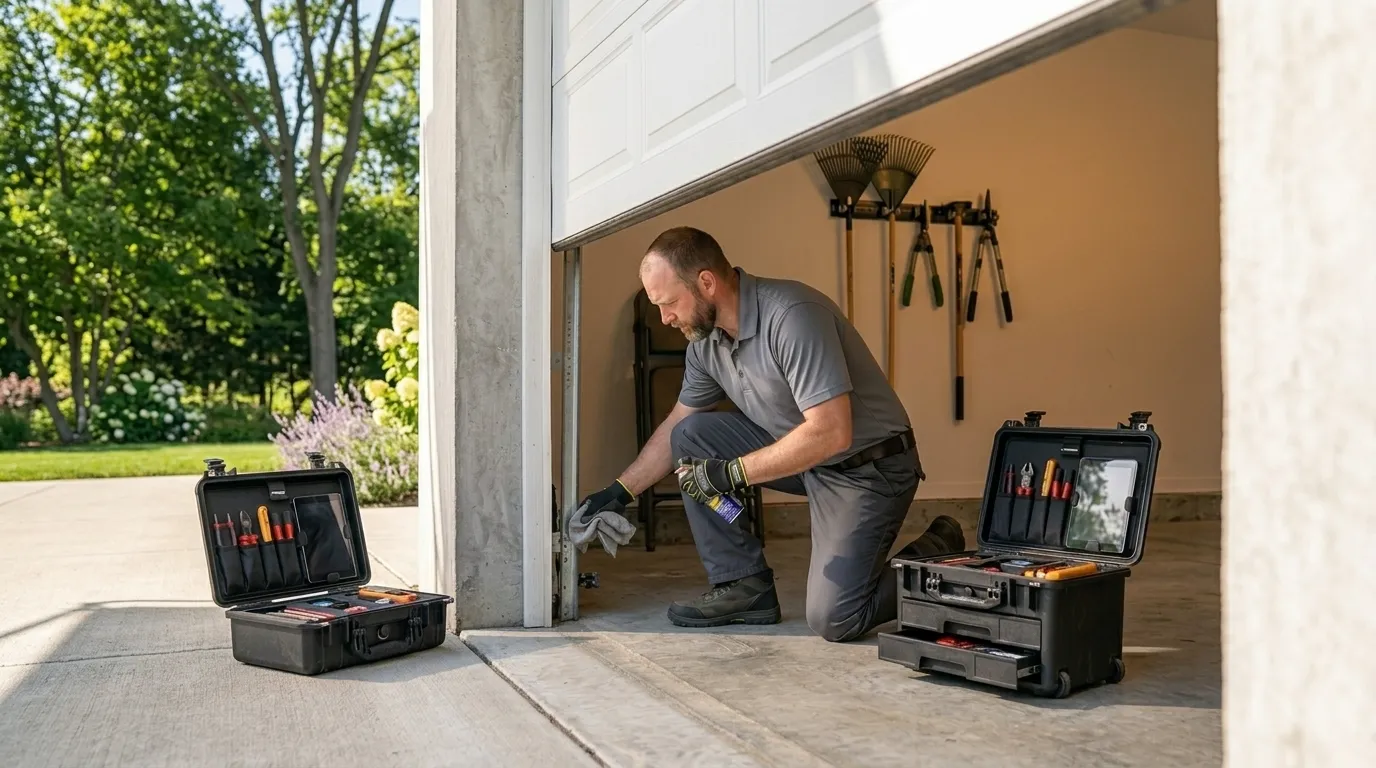
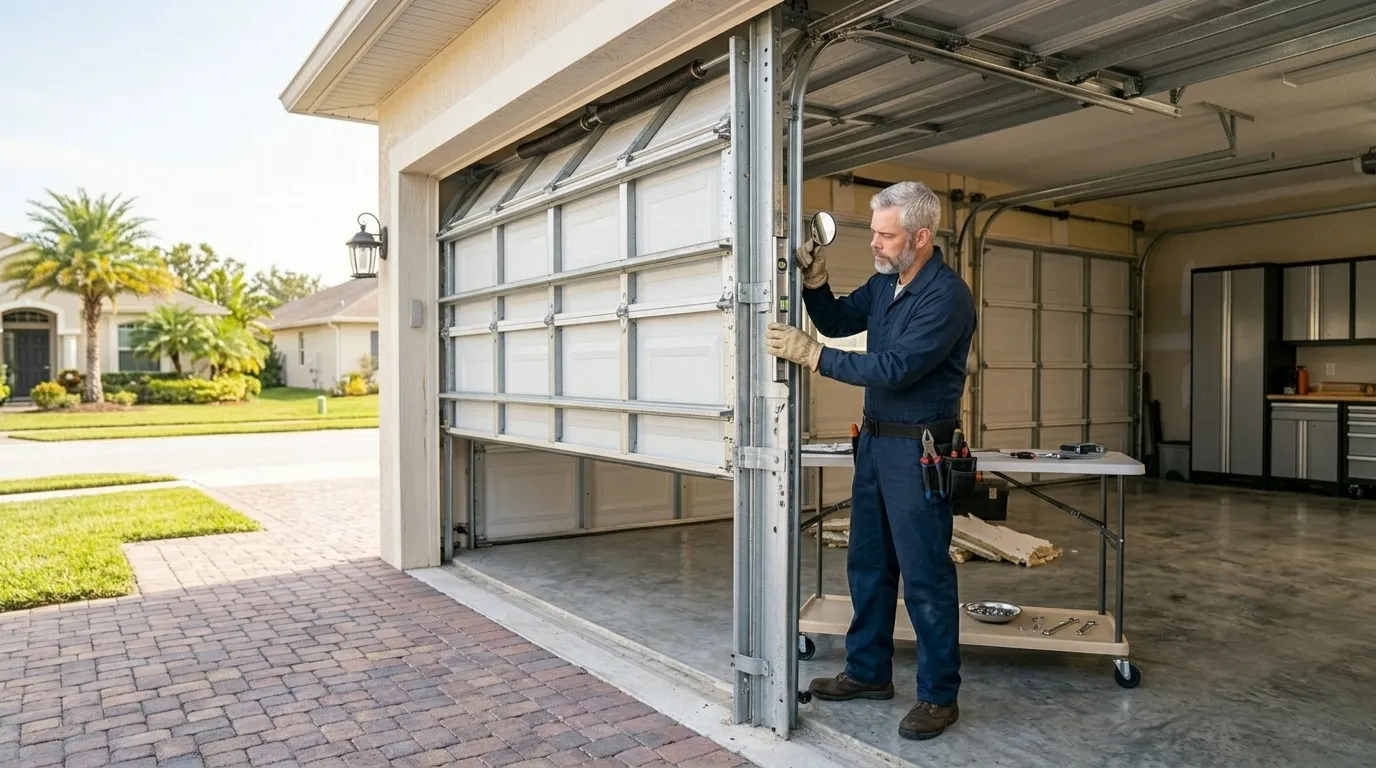
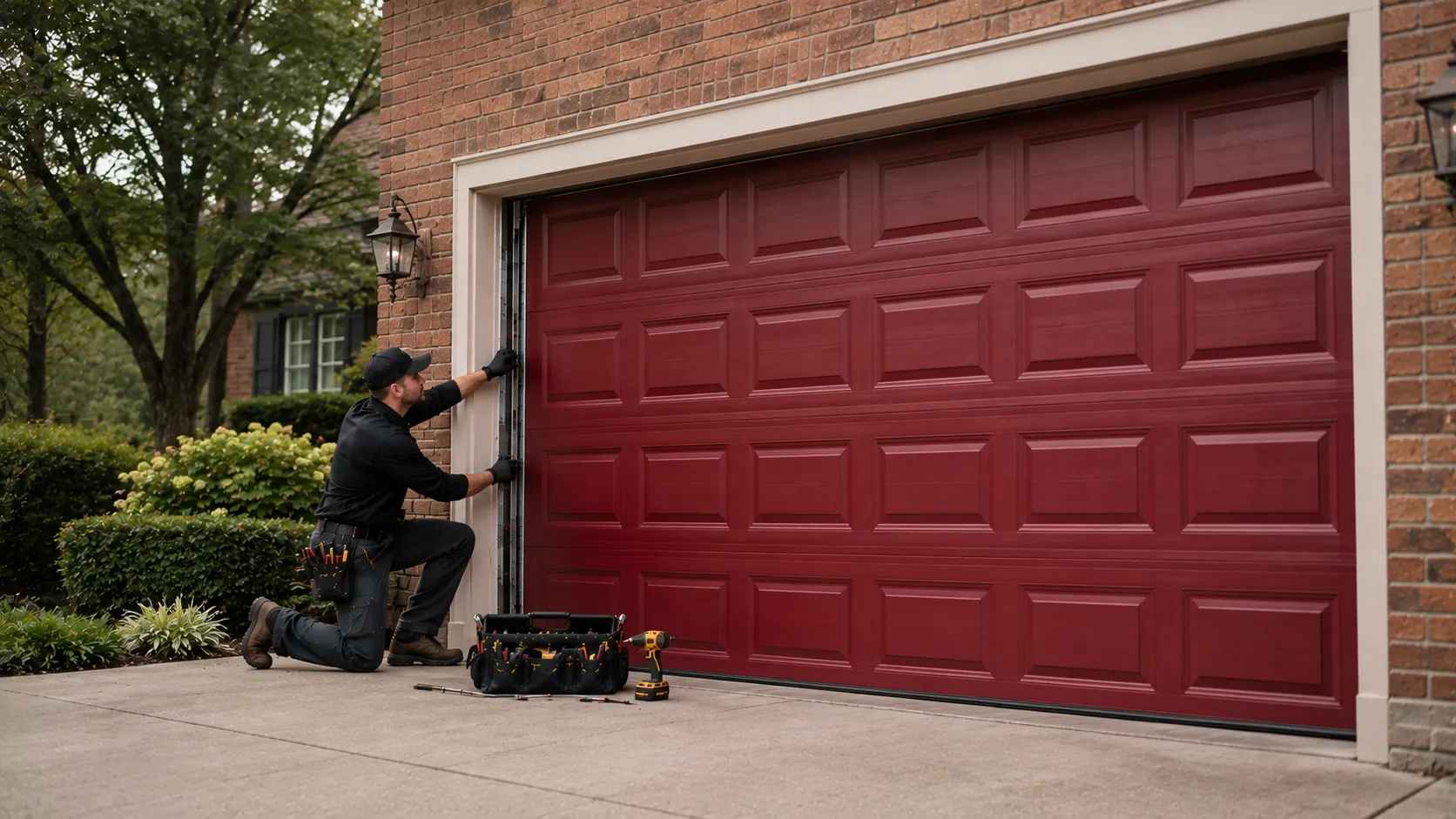
We start by cycling the door manually to isolate whether the problem is the spring, the opener, or the track - that's a five-minute check before any parts come off the truck. On a torsion spring failure, the fix is a full spring swap sized to the door's weight and drum, done under tension bars, not a patch. On track or roller issues, we check the track alignment first; a door that's been dragging for months on worn rollers can knock the track out of square, and replacing rollers alone won't fix a bent track.
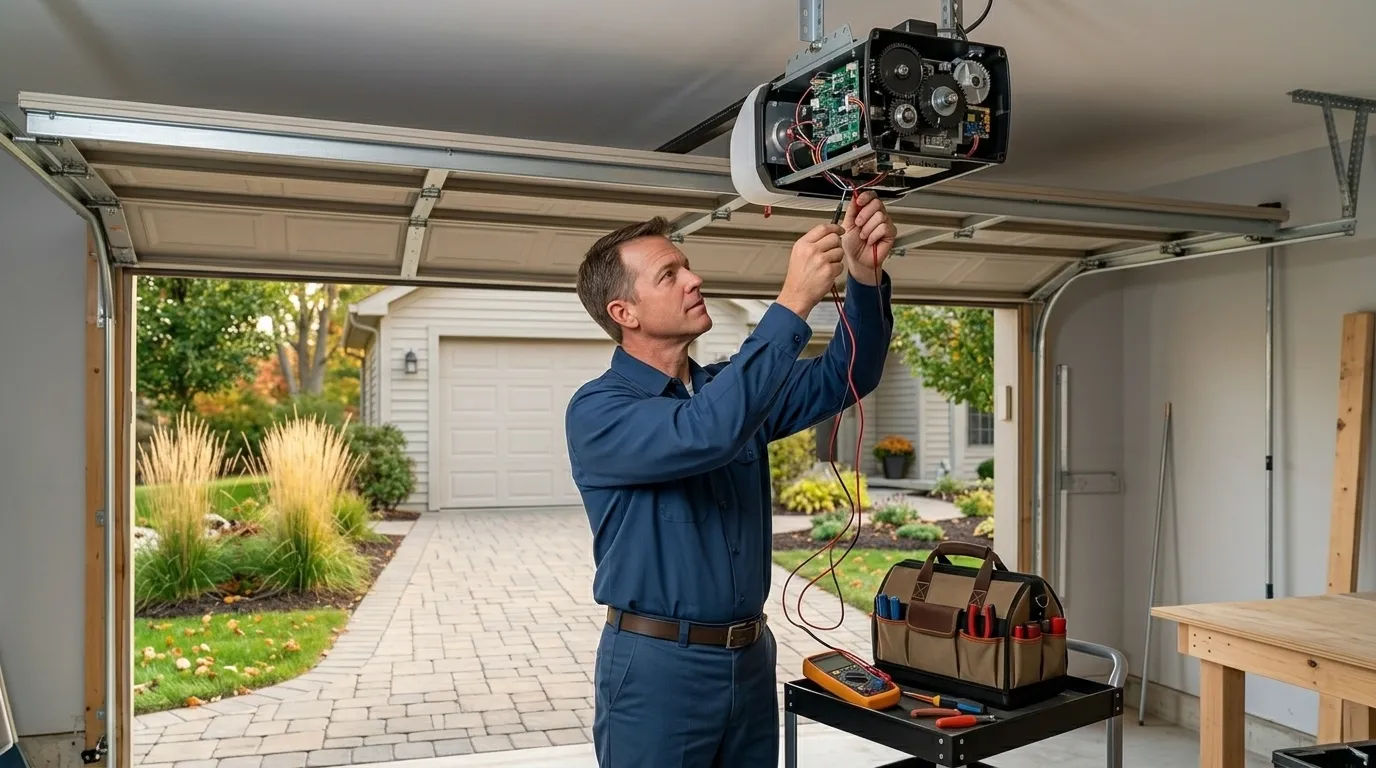
For openers, we test the safety sensors and the travel limits before touching the motor, since a lot of "the opener's dead" calls turn out to be a misaligned sensor eye, not a burned-out motor.
The one limitation we're upfront about: some parts for openers from the late 1980s are no longer made new, and depending on the brand, a matching replacement part can take longer to source than a same-day fix. When that's the case, we'll tell you at diagnosis, not halfway through the job, and give you the choice between waiting on the part or moving to a new opener instead.